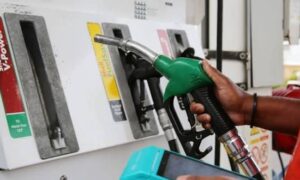
The Energy & Petroleum Regulatory Authority (EPRA) has announced an increase in the Road Maintenance Levy from KES 18 to KES 25, effective from the July/August price cycle. This decision has sparked significant public concern, particularly given the prior reassurances from former Roads CS Kipchumba Murkomen that such an increase would not occur.
New Fuel Price Adjustments
In the latest fuel price review, EPRA has also adjusted the maximum retail prices for petroleum products for the period from 15th July to 14th August 2024. According to the press release, the price of Super Petrol, Diesel, and Kerosene has seen a decrease of KShs.1.00, KShs.1.50, and KShs.1.30 per litre respectively. These price changes include the 16% Value Added Tax (VAT) as per the provisions of the Finance Act 2023, the Tax Laws (Amendment) Act 2020, and the revised excise duty rates adjusted for inflation under Legal Notice No. 194 of 2020.
Landed Costs and Price Calculations
The decrease in fuel prices is attributed to changes in the average landed cost of imported petroleum products. For Super Petrol, the cost decreased by 4.65% from US$750.95 per cubic metre in May 2024 to US$716.03 per cubic metre in June 2024. Diesel saw a 1.19% decrease, from US$690.99 per cubic metre to US$682.73 per cubic metre. However, Kerosene experienced a 2.01% increase in landed costs, rising from US$679.14 per cubic metre to US$692.80 per cubic metre.
The summary of these changes is outlined in Table 1:
| Product | May-24 (US$/Cubic Metre) | Jun-24 (US$/Cubic Metre) | Change |
|---|---|---|---|
| Super Petrol | 750.95 | 716.03 | -4.65% |
| Diesel | 690.99 | 682.73 | -1.19% |
| Kerosene | 679.14 | 692.80 | +2.01% |
Public Reaction and Implications
The increase in the Road Maintenance Levy has drawn criticism from various quarters. During public participation sessions, former Roads CS Kipchumba Murkomen had reassured the public that there would be no increase in the levy. The sudden hike, therefore, has come as a shock to many, raising questions about the government’s commitment to its promises.
Consumers are concerned that the increase in the Road Maintenance Levy will offset the slight decrease in fuel prices, leading to higher overall costs for transportation and goods. This development is expected to have a ripple effect on the cost of living, as transportation costs are a significant component of the pricing of goods and services.
Government’s Stance
Despite the backlash, EPRA maintains that the adjustments are necessary for maintaining and improving the country’s road infrastructure. The additional funds from the increased levy are intended to support road maintenance and development projects, which are crucial for economic growth and connectivity.
Conclusion
As the new fuel prices and the increased Road Maintenance Levy take effect, Kenyans are bracing for the financial implications. The government’s balancing act between infrastructure development and economic stability continues to be a point of contention, with the latest adjustments highlighting the challenges of managing public expectations and policy decisions.