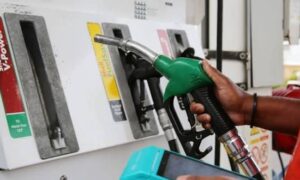
Fuel Prices Surge After Latest Announcement
Kenyans are bracing for a sharp rise in the cost of living after the (EPRA) announced a significant increase in fuel prices in its latest review for April 2026.
In a move that has sent shockwaves across the economy, Super Petrol has surged by Sh28.69 per litre, Diesel by a staggering Sh40.30 per litre, while Kerosene prices remain unchanged.
This marks one of the steepest fuel price hikes in recent years, reversing the temporary stability witnessed in the previous pricing cycle.
New Fuel Prices in
Following the increase, motorists in will now pay:
- Super Petrol: KSh 206.97 per litre (up from 178.28)
- Diesel: KSh 206.84 per litre (up from 166.54)
- Kerosene: KSh 152.78 per litre (unchanged)
The sharp rise in Diesel prices is particularly notable, nearly matching the cost of petrol—an unusual trend that could have far-reaching economic consequences.
Why the Sudden Fuel Price Increase?
The spike in fuel prices did not come as a complete surprise to industry experts. Several underlying factors have been building pressure on Kenya’s energy sector:
1. Rising Global Oil Prices
International crude oil prices have been climbing due to geopolitical tensions, particularly in the Middle East. Supply disruptions and fears of escalating conflicts have pushed prices higher globally.
2. Weakening Kenyan Shilling
The depreciation of the Kenyan shilling against the US dollar has made fuel imports more expensive, directly impacting pump prices.
3. Higher Landing Costs
The latest shipment of fuel imported into Kenya reflects significantly higher landing costs compared to previous cycles, which had temporarily cushioned consumers.
4. Reduced Government Intervention
Unlike previous months, there appears to be minimal subsidy support, leaving consumers exposed to full market forces.
Diesel Shock: The Biggest Concern
The Sh40.30 increase in diesel prices is expected to have the most significant impact on the economy.
Diesel powers:
- Public transport (matatus and buses)
- Trucks and logistics
- Agricultural machinery
- Manufacturing industries
With diesel now costing over KSh 200 per litre in , transport and production costs are expected to rise sharply.
This will likely trigger a ripple effect across multiple sectors, leading to higher prices for goods and services nationwide.
Kerosene Price Holds Steady—But For How Long?
In a surprising move, EPRA left kerosene prices unchanged at KSh 152.78 per litre.
Kerosene is widely used by low-income households for cooking and lighting, making it a politically sensitive commodity.
While the unchanged price offers some relief, analysts warn that this may not last if global oil prices continue to rise.
Regional Fuel Price Variations
Fuel prices vary across Kenya due to transportation and distribution costs.
- Coastal regions like typically enjoy slightly lower prices
- Remote areas such as experience significantly higher costs
With the latest increase, some remote regions could see petrol prices exceed KSh 230 per litre, further widening regional economic disparities.
Impact on Cost of Living
The fuel price surge is expected to have an immediate and widespread impact on the cost of living.
Transport Costs
Matatu fares are likely to increase within days, affecting millions of commuters.
Food Prices
Higher transportation costs will drive up the price of essential goods, including food items.
Business Operations
Manufacturers and small businesses will face higher operating costs, which may be passed on to consumers.
Inflation Fears Rise
The price hike comes at a time when Kenya is already grappling with inflationary pressures.
Economists warn that:
- Inflation could spike in the coming months
- Household purchasing power will decline
- Economic growth may slow
The increase in diesel prices, in particular, is expected to amplify inflation due to its central role in the economy.
Businesses and Households React
The reaction to the latest EPRA announcement has been swift and intense.
Businesses
Many companies are already reviewing their pricing strategies to cope with increased costs.
Households
Families are bracing for tighter budgets as expenses rise across the board.
Transport Sector
Matatu operators and logistics companies are expected to adjust fares and charges almost immediately.
Is This the Beginning of a New Trend?
Energy analysts believe this price hike could signal the start of a sustained upward trend in fuel prices.
Key concerns include:
- Continued geopolitical instability
- Persistent currency weakness
- High global demand for oil
If these factors remain unchanged, Kenyans could face even higher fuel prices in the coming months.
Government Under Pressure
The Kenyan government is likely to face increased pressure to intervene.
Possible measures include:
- Reintroducing fuel subsidies
- Adjusting tax structures
- Exploring alternative energy sources
However, such interventions come with fiscal challenges, especially given existing budget constraints.
Historical Context: A Rare Spike
While fuel prices in Kenya have fluctuated over time, a combined increase of this magnitude—especially for diesel—is relatively rare.
The last comparable surge triggered widespread public concern and economic adjustments, suggesting similar outcomes could follow this time.
What Happens Next?
All eyes will now be on the next EPRA review.
Key questions include:
- Will global oil prices stabilize?
- Can the Kenyan shilling recover?
- Will the government step in to cushion consumers?
The answers to these questions will determine whether the current price surge is temporary or the beginning of a prolonged crisis.
Expert Warning: “Prepare for Tough Times”
Energy experts are urging Kenyans to prepare for higher costs in the near future.
With fuel prices now crossing the KSh 200 mark for both petrol and diesel in , the economic impact is expected to be significant.
Consumers are advised to:
- Budget carefully
- Reduce non-essential travel
- Explore cost-saving measures
Conclusion: A Major Turning Point
The latest EPRA announcement marks a critical turning point for Kenya’s economy.
The sharp increase in fuel prices—especially diesel—signals mounting pressure from global and domestic factors.
While kerosene remains unchanged for now, the overall outlook suggests rising costs and economic challenges ahead.
For millions of Kenyans, this is more than just a fuel price update—it’s a warning of tougher financial times to come.