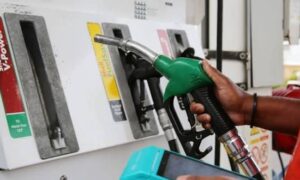
President William Ruto has finally addressed Kenyans following a sharp and record-breaking increase in fuel prices that has pushed pump costs beyond the Ksh 200 mark. The announcement has triggered widespread concern across the country, with citizens and businesses bracing for the ripple effects of the latest price adjustments.
According to the new fuel review, diesel prices have surged by Ksh 40.30, while super petrol has risen by Ksh 28.69. In , diesel will now retail at Ksh 206.84, while super petrol will sell at Ksh 206.97, marking one of the highest fuel price levels in Kenya’s history.
Ruto Explains the Price Increase
Speaking on the issue, President Ruto attributed the spike in fuel prices to global challenges, particularly instability in international oil markets. He pointed to geopolitical tensions affecting supply chains as a key driver behind the increase.
“Tuko na shida kule Middle East… tumehakikisha ya kwamba tumefanya subsidy ya mafuta ndio hiyo gharama ya juu isifikie mwananchi wa kawaida,” Ruto stated.
The president maintained that the government has taken steps to cushion Kenyans from the full impact of the global crisis, including implementing fuel subsidies. However, many citizens remain skeptical, arguing that the current prices reflect little relief on the ground.
Immediate Impact on Transport
The transport sector has already begun reacting to the changes. Matatu operators have announced an immediate increase in fares, citing the unsustainable cost of fuel as the primary reason. This decision is expected to directly affect millions of commuters who rely on public transport daily.
With higher transport costs, the price of goods and services is also likely to rise, as businesses pass on the increased expenses to consumers. The result is a broader cost-of-living challenge that continues to weigh heavily on Kenyan households.
Echoes of Past Criticism
The current situation has reignited political debate, especially when compared to the fuel crisis during the tenure of former president Uhuru Kenyatta . At the time, Ruto—then serving as Deputy President—was a vocal critic of the government’s handling of fuel prices.
He had argued that the crisis was not solely caused by global factors such as the Russia-Ukraine War, but also by the influence of fuel cartels and corruption within the system. Ruto called for decisive reforms, including prosecuting those involved and removing price controls to encourage market competition.
Now as president, Ruto faces similar challenges, with fuel prices surpassing levels seen during his predecessor’s administration. This shift has drawn criticism from observers who point to a contrast between his past statements and current policy outcomes.
Questions Over Government Preparedness
Critics argue that the government had sufficient time to prepare for such a price surge. With a supplementary budget already passed, expectations were high that measures would be put in place to cushion Kenyans from rising fuel costs.
However, concerns have been raised that no significant allocation was made toward fuel subsidies in the budget, leaving consumers exposed to global price fluctuations. This has fueled debate about whether more could have been done to stabilize prices before they reached current levels.
Public Reaction and Growing Pressure
Across Kenya, public frustration is growing. Many citizens have taken to social media and public forums to express their dissatisfaction, highlighting the increasing difficulty of managing daily expenses.
The rise in fuel prices has compounded existing economic pressures, including high food prices, rent, and other basic needs. For many households, the situation is becoming increasingly unsustainable.
Economic Ripple Effects
The impact of the fuel price hike extends far beyond the pump. Businesses, especially those reliant on transportation, are expected to face higher operational costs. This could lead to increased prices for goods and services, further driving inflation.
Small businesses, in particular, may struggle to absorb the added costs, potentially leading to reduced profits or even closures. The overall economic outlook remains uncertain as stakeholders assess the long-term implications of the price surge.
What Comes Next?
As global oil markets remain volatile, the future of fuel prices in Kenya is unclear. Much will depend on international developments as well as domestic policy decisions aimed at stabilizing the situation.
For now, Kenyans are left to navigate the immediate impact of the price hike, with many calling on the government to introduce more effective measures to ease the burden.
Conclusion
President Ruto’s remarks on the new fuel prices have provided some context for the latest increase, but they have also sparked renewed debate about accountability and economic management. As fuel costs continue to rise, the pressure is mounting on the government to deliver practical solutions that can bring relief to ordinary citizens and restore confidence in the country’s economic direction.