Nairobi, Kenya – In a massive New Year boost, the Kenyan government has officially approved a near-doubling of basic pay and leave allowances for all national civil servants, heralding a significant increase in disposable income for hundreds of thousands of families. The announcement, celebrated by Central Organization of Trade Unions (COTU) Secretary-General Francis Atwoli as a “New Year gift,” follows the Salaries and Remuneration Commission’s (SRC) landmark decision and subsequent circular from Principal Secretary Dr. Jane Kere Imbunya.
The sweeping changes, part of the Fourth Remuneration and Benefits Review Cycle (2025/2026 – 2028/2029), take effect retroactively from July 1, 2025. With an allocated cost of Ksh 2.065 billion for the 2025/2026 financial year, this Phase I review marks one of the most substantial public sector compensation overhauls in recent years.
The Genesis of the Pay Rise
The journey to this pay rise began with official communications from the State Department for Public Service. Reference letters dated September 2, 2025 (Ref. No. MPS&HCD.12) and December 11, 2025 (Ref. No. MPSPRDM/9/1) set the stage for negotiations and formalized the review process. The SRC, in its 691st meeting on December 19, 2025, deliberated and gave the final approval for the review of two key components: Basic Salary and Leave Allowance.
This structured, multi-year cycle approach aims to provide predictable and sustainable remuneration growth for civil servants, moving away from ad-hoc adjustments. Phase I focuses on immediate relief and alignment with constitutional principles on fair compensation, while future phases are expected to address other benefits and allowances.
Decoding the New Salary Structure: A Detailed Breakdown
The approved structure intricately details pay scales across 14 civil service grades, from the highest administrative echelons (CSG4) to entry-level positions (CSG17). The circular introduces a consolidated “Salary Market Adjustment” (SMA), which absorbs previous entertainment, extraneous, and domestic servant allowances. This SMA is designed to reflect market positioning and constitutional mandates.
The most striking feature is the dramatic increase in the Leave Allowance, now standardized at substantial amounts. Senior officials in grades CSG4 and CSG5 will receive Ksh 35,000, a significant annual bonus, while mid-level staff get Ksh 20,000 or Ksh 10,000, and junior staff a uniform Ksh 6,500.
Below is the comprehensive table of the new remuneration structure as per the SRC circular:
| JE Grade | Job Group | CSG Grade | Basic Salary (Min) | Basic Salary (Max) | House: Cluster 1 (Nairobi) | House: Cluster 2 (Major Cities) | House: Cluster 3 (Other Areas) | Commuter Allowance | Gross Salary (Nairobi) Min | Gross Salary (Nairobi) Max | Leave Allowance |
|---|---|---|---|---|---|---|---|---|---|---|---|
| E3 | T | CSG4 | 185,690 | 396,130 | 80,000 | 70,000 | 60,000 | 24,000 | 430,290 | 640,730 | 35,000 |
| E2 | S | CSG5 | 155,930 | 292,490 | 60,000 | 56,000 | 52,000 | 20,000 | 235,930 | 372,490 | 35,000 |
| D4 | R | CSG6 | 114,530 | 185,690 | 50,000 | 35,000 | 25,000 | 16,000 | 179,430 | 251,690 | 20,000 |
| D2 | P | CSG7 | 94,120 | 142,590 | 45,000 | 28,000 | 21,000 | 12,000 | 151,120 | 199,590 | 20,000 |
| C5 | N | CSG8 | 59,010 | 103,440 | 35,000 | 25,500 | 18,000 | 8,000 | 102,010 | 146,440 | 10,000 |
| C3 | L | CSG9 | 47,900 | 67,750 | 28,000 | 22,000 | 16,500 | 6,000 | 81,900 | 101,750 | 10,000 |
| C2 | K | CSG10 | 43,200 | 59,010 | 16,500 | 12,800 | 9,600 | 5,000 | 64,700 | 80,510 | 10,000 |
| C1 | J | CSG11 | 36,200 | 47,900 | 10,000 | 7,500 | 5,800 | 4,000 | 50,200 | 61,900 | 6,500 |
| B5 | H | CSG12 | 30,400 | 38,880 | 6,750 | 4,500 | 3,850 | 4,000 | 41,150 | 49,630 | 6,500 |
| B4 | G | CSG13 | 27,200 | 34,950 | 6,750 | 4,500 | 3,850 | 4,000 | 37,950 | 45,700 | 6,500 |
| B3 | F | CSG14 | 22,340 | 28,240 | 4,500 | 3,730 | 3,000 | 3,000 | 29,840 | 35,740 | 6,500 |
| B2 | E | CSG15 | 21,120 | 26,250 | 4,500 | 3,730 | 2,960 | 3,000 | 28,620 | 33,750 | 6,500 |
| B1 | D | CSG16 | 20,030 | 24,500 | 4,125 | 3,375 | 2,750 | 3,000 | 27,155 | 31,625 | 6,500 |
| A3 | C | CSG17 | 18,700 | 21,700 | 3,750 | 3,125 | 2,500 | 3,000 | 25,450 | 28,450 | 6,500 |
Understanding the Allowance Clusters
A critical aspect of the new structure is the differentiated House Allowance, designed to reflect the cost of living across Kenya:
- Cluster 1: Nairobi City.
- Cluster 2: Mombasa, Kisumu, Nakuru, Nyeri, Eldoret, Thika, Kisii, Malindi, and Kitale.
- Cluster 3: All other areas.
This tiered system ensures that civil servants in urban centers with higher living costs receive commensurate support for housing.
Reactions and Political Implications
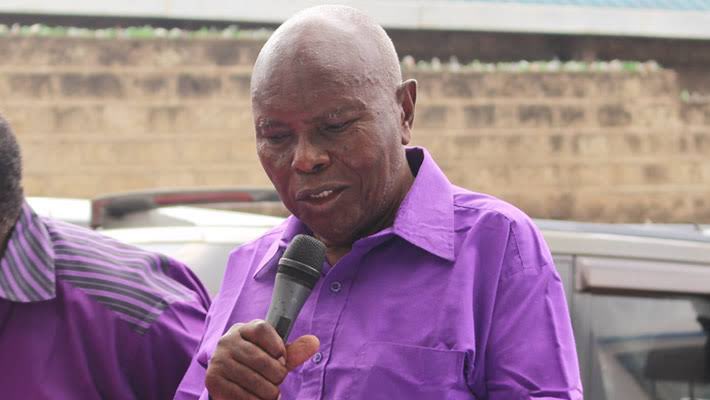
The announcement has been met with widespread acclaim from labor representatives. COTU boss Francis Atwoli took to social media to applaud the move, framing it as a direct fulfillment of promises made to workers. His post read: “NEW YEAR PAY RISE FOR ALL CIVIL SERVANTS. PS @Dr_JaneImbunya has released a circular showing that Civil servants leave allowance and basic pay has almost been doubled as new year gift from the government of Kenya. Congratulations civil servants union and president @WilliamsRuto. We are saying #Tutam.”
The hashtag #Tutam (Kiswahili for “we are stable” or “we are firmly planted”) signals a message of satisfaction and stability from the workforce, providing significant political goodwill for the administration of President William Ruto. This pay rise is seen as a strategic move to bolster support within a critical demographic—the civil service—ahead of future political milestones. It directly addresses long-standing grievances over inflation and the high cost of living, positioning the government as responsive to worker welfare.
Economic Impact and Sustainability
While the injection of over Ksh 2 billion into the economy via increased civil servant pay will likely stimulate consumer spending—a boost for retail, hospitality, and service sectors—it also raises questions about fiscal sustainability. Economists are keenly watching how this increased recurrent expenditure will be balanced against Kenya’s national debt obligations and development projects. The government’s ability to manage this wage bill within the broader context of its IMF commitments and revenue collection targets will be crucial.
The SRC has emphasized that the review adheres to “constitutional and statutory principles,” suggesting a calculated effort to align pay with responsibilities and economic realities without destabilizing national finances. The multi-cycle approach (2025-2029) also indicates a phased, planned fiscal commitment rather than a one-off, unbudgeted expense.
What It Means for the Average Civil Servant
For the individual civil servant, this review translates to tangible improvements in quality of life. Take, for example, a mid-level officer in CSG9 stationed in Nairobi:
- Previous Estimated Gross: ~Ksh 65,000
- New Gross Salary (Min): Ksh 81,900
- Additional Annual Leave Allowance: Ksh 10,000
This represents a direct monthly increase of over Ksh 16,000, plus a substantial annual bonus. For junior staff in CSG17, the guaranteed leave allowance of Ksh 6,500 is a significant bonus, often equivalent to an extra month’s basic salary.
The consolidation of various allowances into the SMA also simplifies the payslip, making the remuneration package more transparent and predictable.
Unionizable Staff and the Path Forward
The circular explicitly notes that the “salary structure for unionizable staff [is] to be implemented through the Collective Bargaining Negotiations process.” This means that while the SRC has set the broad framework and approved the funding, teachers, nurses, and other unionized professionals under the civil service will have their specific increments finalized through their respective unions’ negotiations. The SRC’s announcement sets a powerful precedent and likely baseline for these upcoming talks, which are now expected to intensify.
Conclusion: A New Chapter for Public Service Remuneration
The approval of Phase I of the Fourth Remuneration Review Cycle is more than just a pay raise; it is a statement of intent from the Kenyan government. It acknowledges the vital role of civil servants in nation-building and seeks to motivate a public service that is fairly compensated and insulated from the worst pressures of inflation.
As circulars are dispatched to accounting officers across all national government ministries and departments for immediate implementation, the mood within the civil service is undoubtedly upbeat. The challenge now lies in the seamless execution of these directives to ensure the funds reach the intended beneficiaries without delay. If successfully implemented, this “New Year gift” could mark a turning point in public sector morale and efficiency, fulfilling the promise embedded in Atwoli’s celebratory hashtag: #Tutam.