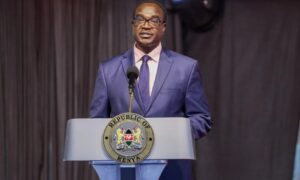
In a powerful address at the Madaraka Day celebrations held at Masinde Muliro Stadium in Kanduyi, Bungoma County, President William Ruto underscored the pivotal role of agriculture in Kenya’s economy and laid out a comprehensive vision for the sector’s future. His remarks highlighted significant strides in agricultural development, debt alleviation for sugar factories, advancements in the cotton industry, and ambitious plans for water infrastructure.
Agriculture’s Economic Impact.
President Ruto emphasized agriculture’s substantial contribution to the Kenyan economy, stating, “Agriculture’s direct contribution to our GDP is 25%, while its indirect support to other economic pillars such as manufacturing boosts the GDP by a further 27%. Agriculture also employs, directly or otherwise, an estimated 40% of our population.” This underscores the sector’s centrality to both economic stability and employment in the country.
Sugar Industry Reforms.
A major highlight of his speech was the announcement of the government’s decision to write off Ksh 110 billion worth of debts accrued by sugar factories over the past four decades. “We have written off Ksh 110 billion worth of sugar factories’ debts accumulated over 40 years. A new leasing model will guarantee prompt payment for cane deliveries by farmers, timely wages for factory workers, and bonuses to sugar cane farmers every end of the year, like other crops,” Ruto stated. This move is aimed at revitalizing the sugar industry, ensuring financial stability for stakeholders, and enhancing productivity.
Investment in Sugarcane Development.
To further support the sugar industry, President Ruto committed to a substantial investment in sugarcane development. “As part of my commitment to invest KSh2 billion into sugarcane development through State-owned mills, after leasing is completed, I am proud to announce that the government has approved the first tranche of KSh600 million for seed cane development, and the National Treasury shall shortly release these funds.” This investment is expected to boost production capacity and improve the livelihood of farmers involved in sugarcane farming.
Agricultural Data Integration.
In a bid to streamline agricultural operations and enhance service delivery, the President announced the development of a comprehensive farmers’ and agripreneurs’ database. “To enhance our capacity to coordinate agricultural production and deliver services to the sector more efficiently, we are developing and integrating a farmers’ and agripreneurs database into the Kenya Integrated Agriculture Information System. As we speak, the database already has 6.4 million registered farmers, and our aim is to serve them better by improving access, sharing, and utilization of information in the agricultural sector.” This initiative is expected to facilitate better planning, resource allocation, and support services for farmers.
Expansion of Cotton Production.
President Ruto also detailed ambitious plans to significantly increase cotton production. “We are on course with our plan to increase cotton production from 2,500 bales in 2022 to 107,000 bales by 2025 and modernize ginneries. The aim is to expand cotton farming from 9,300 acres in 2022 to 41,000 acres in 2023, distributing 15,700kg of seeds to farmers in Busia and another 20,000kg to farmers in Meru, Makueni, Kitui and Machakos. Subsidized fertilizer will be provided through the tried and tested e-voucher system.” This expansion is expected to revitalize the textile industry, create jobs, and enhance the income of cotton farmers.
Water Infrastructure Development.
Addressing water scarcity and irrigation, President Ruto reaffirmed the government’s commitment to building critical water infrastructure. “We have made progress towards fulfilling our commitment to build 100 dams and 1,000 small dams in different parts of the country, to facilitate sustainable water use and increase irrigated land by 500,000 acres by 2026. The government is in discussions with the African Development Bank and other multilateral institutions to implement this program.” This initiative is crucial for ensuring water security, supporting agricultural activities, and mitigating the impacts of climate change.
Conclusion.
President William Ruto’s address at the Madaraka Day celebrations showcased a robust plan for agricultural development, debt relief, and infrastructure enhancement. His vision reflects a deep commitment to improving the livelihoods of farmers, boosting the agricultural sector, and driving economic growth. As these initiatives unfold, they hold the promise of transforming Kenya’s agricultural landscape and fostering sustainable development.