A viral notice claiming that examiners contracted by the (KNEC) would not be paid has been officially flagged as fake, sparking confusion among thousands of teachers and education stakeholders across the country.
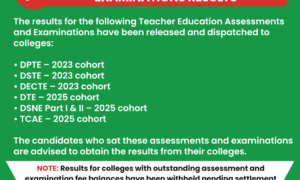
The misleading circular—similar to the one shown in the image marked “FAKE POST ALERT”—alleged that professionals involved in national examinations were not entitled to additional compensation beyond their salaries. However, both KNEC and the Ministry of Education have moved swiftly to debunk the claims.
Government Dismisses Viral Letter
Education Cabinet Secretary dismissed the circulating document, warning that it was designed to mislead the public. He emphasized that the claims suggesting examiners would not be paid are false and should be ignored.
“This is fake information intended to mislead the public,” Ogamba said, urging teachers and stakeholders not to fall for misinformation spreading online.
KNEC Confirms Payments Still a Priority
Despite the fake notice, KNEC has acknowledged that there are delays in paying examiners and contracted professionals, but insists that payments are being processed.
The council clarified that:
- It owes examiners allowances for work done during the 2025 national examinations.
- The delays are linked to budgetary and cash flow constraints.
- The government is working with the National Treasury to release funds.
KNEC Chief Executive Officer also dismissed separate viral claims suggesting the council lacks funds entirely, calling them misleading and inaccurate.
Scale of the Examination Exercise
The controversy has drawn attention to the sheer scale of national examinations in Kenya. Over 30,000 examiners, alongside tens of thousands of invigilators, supervisors, and security personnel, are involved in administering and marking major exams such as KCSE and KPSEA.
Delays in payments have therefore triggered widespread concern, with some teachers raising the possibility of boycotts if the issue is not resolved promptly.
Rise of Fake KNEC Communications
This is not an isolated incident. KNEC has recently warned the public about multiple fake notices, including false exam schedules and misleading institutional updates circulating online.
The council has urged Kenyans to rely only on:
- Official KNEC communication channels
- Verified government statements
- Credible media reports
What This Means for Examiners
While the viral notice is fake, the underlying issue of delayed payments is real. The government maintains that:
- Payments will be made
- Efforts are ongoing to speed up disbursement
- Examiners remain vital to the education system
For now, teachers and examiners are advised to remain cautious of misinformation and await official updates as authorities work to resolve the payment delays.
Bottom line: The KNEC non-payment notice circulating online is fake—but genuine delays in examiner payments are being addressed by the government.