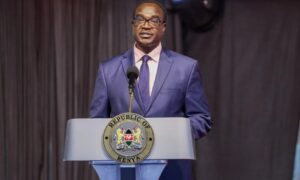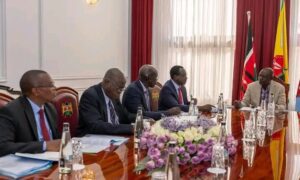
In a significant fiscal move, has this morning assented to the Supplementary Budget Appropriation Bill, officially turning it into law and paving the way for the release of billions from the Consolidated Fund. The decision places the spotlight squarely on , who now has the mandate to authorize the withdrawal and allocation of the funds.
The newly approved supplementary budget seeks to address critical gaps that were not captured in the initial financial estimates. A substantial Ksh 24.2 billion has been allocated to cater for salaries under the (TSC), following earlier omissions that left a funding deficit. This move is expected to stabilize salary disbursements and ease concerns among educators across the country.
In addition, Ksh 3 billion has been set aside for teachers’ medical insurance, a key component in ensuring the welfare and healthcare security of education sector employees. The funding is anticipated to improve access to medical services and address ongoing concerns about insurance coverage for teachers.
The education sector further benefits from an allocation of Ksh 1 billion designated for the payment of contracted personnel under the (KNEC). This funding will facilitate the compensation of individuals involved in the administration and management of national examinations, a crucial process in Kenya’s academic calendar.
With the bill now in effect, attention shifts to the National Treasury and its execution strategy. Stakeholders, including teachers, unions, and policy analysts, are keenly watching how swiftly and efficiently the funds will be disbursed. The implementation phase will be critical in determining whether the allocations translate into tangible relief and operational stability within the education sector.
As the government moves to address these financial gaps, the broader conversation around budget planning and fiscal discipline continues to gain momentum.