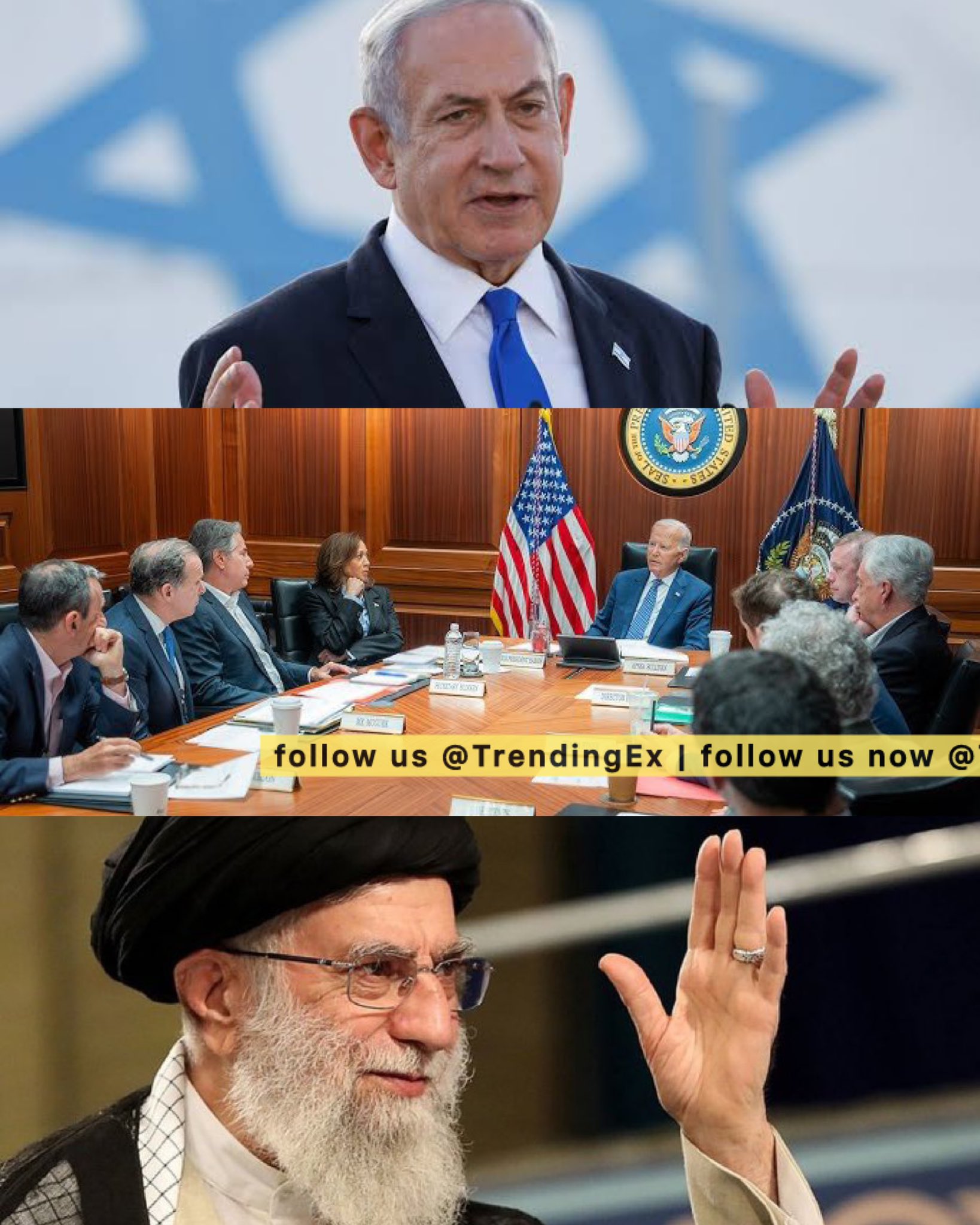
In a significant escalation of conflict, Iran launched a series of ballistic missiles at Israel on October 1, 2024, in retaliation for the deaths of Hezbollah leader Hassan Nasrallah and a Hamas official. The Israeli Iron Dome defense system was activated, successfully intercepting many of the incoming projectiles. However, some missiles overwhelmed the system, causing casualties and damage, particularly in southern and central Israel. This strike marks one of the most severe developments in the ongoing Iran-Israel tensions and raises concerns about a broader regional war, with some speculating the potential onset of World War III.
Iran’s Retaliation and Motives
Iran’s missile strike was framed as an act of retaliation for the recent Israeli assassinations of key Hezbollah and Hamas leaders, including Nasrallah, a figurehead in the Iran-backed Hezbollah militia. Iranian officials described the attack as justified retribution for what they termed “acts of aggression” by Israel in Lebanon and Gaza(RadioFreeEurope/RadioLiberty)(Yahoo). Despite the scale of the attack, Iran has indicated that it could escalate further, with promises of a “crushing second wave” if Israel retaliates militarily. This warning underscores the heightened state of readiness in the region as both nations prepare for what could be a prolonged and devastating conflict.
U.S. Intervention and Global Implications
In a surprising twist, U.S. President Joe Biden authorized military assistance to Iran by ordering U.S. naval destroyers stationed in the Mediterranean to shoot down any Iranian missiles targeting Israel within their range(Yahoo). This unprecedented move adds another layer of complexity to the situation, with the United States traditionally serving as a staunch ally of Israel. Biden’s actions signal a delicate balancing act, as the U.S. seeks to de-escalate tensions while maintaining its strategic interests in the Middle East.
Israel, in turn, had gathered intelligence about the impending strike and warned its citizens to seek shelter. Bomb shelters across the country were activated, saving countless lives, although the nation still suffered some casualties. Hours after the attack, the Israeli government issued a notice for civilians to emerge from shelters, signaling that the immediate threat had subsided.
The United States’ involvement, however, complicates the geopolitical landscape. Russia, an ally of Iran, is expected to respond to U.S. intervention in support of Iran, much like its involvement in Ukraine. This could lead to a dangerous confrontation between major global powers, with Israel and the U.S. on one side, and Iran and Russia on the other(RadioFreeEurope/RadioLiberty).
Regional Impact and the Threat of Wider Conflict
The Iran-Israel conflict has broader implications for the Middle East. Hezbollah, a powerful militant group in Lebanon, has vowed to support Iran, while Hamas remains active in Gaza. As Israel continues its retaliatory strikes against Hezbollah positions in southern Lebanon, fears grow that neighboring countries could be drawn into the conflict(RadioFreeEurope/RadioLiberty).
The current situation mirrors previous episodes of violence in the region, but the scale of Iran’s missile strike and the involvement of major powers like the U.S. and Russia have led to unprecedented concerns about the possibility of a global war. Analysts warn that if Israel retaliates heavily against Iran, this could trigger a much broader conflict, potentially pulling in nations such as Saudi Arabia, Iraq, and Turkey.
Israel’s Strategic Position
Israel’s Iron Dome air defense system, though effective, was overwhelmed by the sheer number of ballistic missiles fired by Iran. The system, which has been a cornerstone of Israel’s defense against rocket attacks, struggled to intercept every missile in this barrage. As Israel contemplates its next steps, the military has been placed on high alert, and additional missile defense measures are being put in place(Yahoo).
Despite the immediate shock of the attack, Israel’s leadership remains determined to strike back. Prime Minister Benjamin Netanyahu has promised a significant response, though the timing and nature of such retaliation remain unclear. Analysts speculate that Israel may launch airstrikes targeting Iranian military installations, Hezbollah strongholds in Lebanon, or even conduct cyberattacks against Iranian infrastructure(RadioFreeEurope/RadioLiberty).
Conclusion: A Tipping Point for the Middle East?
The recent missile exchange between Iran and Israel is more than just a regional skirmish—it is a flashpoint with the potential to ignite a much larger war. With Iran threatening further retaliation and Israel preparing its next move, the Middle East stands on the brink of full-scale conflict. The involvement of the U.S. and Russia adds a dangerous international dimension, raising fears that this could spiral into World War III. As global powers watch closely, the next few days will be crucial in determining whether this conflict escalates further or whether diplomatic efforts can prevent a catastrophic war.