
As social media reshapes how African creators reach audiences, Ghanaian content creator Jah Glory GH is building a creative enterprise around Metro Mingle. His journey raises a question facing many digital creators: how can online attention become lasting professional value?
For creators, attracting views is only one part of the work. Building a recognisable identity, developing relationships with audiences and partners, and creating opportunities beyond individual posts can be just as important. The shift from making content to managing a creative platform requires a different way of thinking.
From Content to a Platform
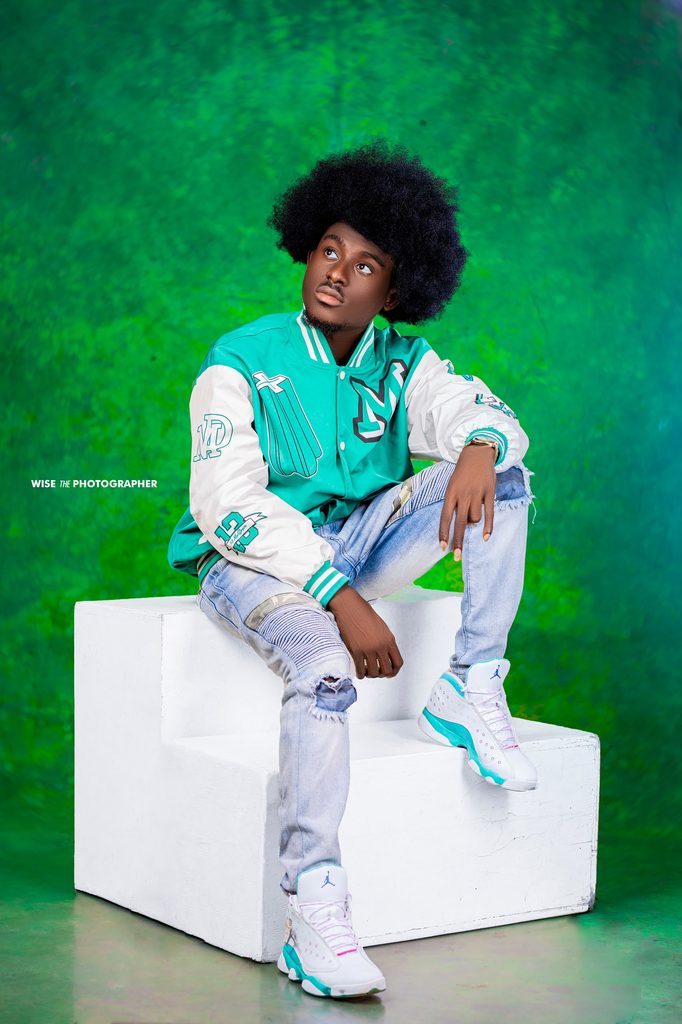
Jah Glory GH, also known as Jah Glory Fosu Mensah, is known for Metro Mingle, a Ghanaian street-interview and quiz platform that brings spontaneous questions and public interaction to social media. The format is accessible: people encounter a question, share an answer and become part of a moment that viewers can enjoy.
That simple structure is also the foundation of a recognisable brand. Metro Mingle is not only a collection of separate videos; it has a consistent concept, a public-facing identity and a community of viewers who return for its style of entertainment and learning. The content can introduce audiences to Ghanaian culture and language while giving participants room to express themselves.
Thinking of the project as a platform changes the questions behind it. Instead of asking only whether one video will perform well, a creator must consider what the brand stands for, why people come back and how each new piece of content strengthens the overall identity.
Attention Is Not the Same as a Business
Social media can make success look simple: a video receives strong engagement, an account gains followers and the creator becomes more visible. But visibility alone does not guarantee stable income or a sustainable career. Views can fluctuate, platform rules can change, and a format that works today may need to evolve tomorrow.
For creators, the challenge is to turn attention into opportunities that make sense for the audience and the brand. These may include suitable partnerships, sponsored content, appearances, media work or other creative projects. The key is not to accept every opportunity, but to consider whether it fits the platform’s identity and serves the people who follow it.
For a street-interview brand such as Metro Mingle, credibility matters. Audiences come for the spontaneous interaction and entertainment. If commercial content feels disconnected from that experience, it can weaken the relationship the creator has worked to build. A partnership is more likely to feel natural when it fits the format rather than interrupting it.
This is one of the business decisions facing digital creators: how to generate value without making the audience feel that the original purpose of the content has disappeared.
Building a Recognisable Identity
The digital space is crowded, and creators are competing for limited attention. A distinctive idea helps, but consistency in presentation and tone also matters. Viewers should be able to recognise the kind of experience a platform offers, even when individual videos differ.
Metro Mingle’s public-question format gives it a clear starting point. The questions invite participation, the answers create moments of surprise or humour, and the street setting places the content within everyday Ghanaian life. The blend of entertainment and learning helps the project serve more than one purpose without losing its central idea.
A recognisable identity can also make it easier for potential partners to understand what a creator offers. Rather than presenting only an account with a certain number of followers, the creator can explain the audience, the format, the tone and the value of being associated with the platform. That is a more useful basis for a professional conversation than numbers alone.
The Work Behind the Public Image
A creator may appear on screen for only a few moments, but running a platform involves decisions that audiences do not always see. There is planning, communication, filming, editing, publishing and reviewing the response to each post. There may also be negotiations with partners, scheduling, budgeting and the ongoing task of keeping the content fresh.
As a project grows, these responsibilities can become harder to manage alone. The creator must balance the creative side—finding questions, reading the public and producing engaging moments—with the business side of maintaining relationships and making sound decisions about time and resources.
This is where treating content creation as professional work becomes important. Creative instincts can help a person attract attention, but organisation and clear priorities help them sustain the work. Not every idea needs to become a video, and not every popular trend is right for a particular brand. Knowing what to pursue and what to leave behind is part of building a durable platform.
Growing With the Audience
A format that connects with viewers still has to respond to change. Audiences develop new interests, social platforms adjust how content is distributed, and performance can vary even when a creator continues to put in effort. A decline in views does not automatically mean that a project has lost its relevance, just as one viral post does not guarantee lasting success.
For a creator, the more useful response is to pay attention, test ideas and make considered adjustments. That could mean refreshing questions, changing how a video is presented or reconsidering where and how content is filmed. The goal is to learn from performance without allowing short-term numbers to dictate every creative decision.
There is also a balance between adapting and abandoning what makes the platform distinctive. If a creator changes direction every time a trend appears, audiences may struggle to understand the brand. If the creator refuses to change anything, the content can become predictable. Sustainable growth requires keeping the central promise while finding new ways to deliver it.
A Wider Opportunity for African Creators
The growth of social media has created new ways for African creators to reach people at home and abroad. A creator can develop a public profile through locally rooted stories, humour, language and everyday experiences without needing to begin with a traditional media institution. That access is valuable, but it also means creators must think carefully about how to turn a digital presence into work that can last.
For Ghanaian creators in particular, local knowledge can be an advantage. Content built around the way people speak, think, joke and interact can feel familiar to local audiences while offering outsiders a window into the culture. The challenge is to make that identity clear and to develop it in a way that can grow without losing its roots.
Metro Mingle sits within that opportunity. Its use of street questions and public participation makes ordinary interactions the centre of the content. The concept can entertain viewers while also highlighting aspects of Ghanaian culture and language. Its future value depends not only on how individual videos perform, but on how consistently the platform delivers that experience and develops its relationships.

Looking Beyond the Next Post
The long-term work of a digital creator is bigger than publishing the next video. It involves building trust, protecting a recognisable identity, choosing partnerships carefully and making decisions that support the platform over time. These are business concerns, but they are also creative ones: the choices made behind the scenes shape what the audience eventually sees.
For Jah Glory GH, Metro Mingle provides a case study in how a content idea can become a wider creative project. The lesson is not that every creator must follow the same route. It is that online visibility is a starting point, not a complete business strategy.
As the creator economy develops across Africa, more creators will face the same question: what comes after attention? Those who think beyond individual posts—while remaining attentive to their audiences and the ideas that made their work distinctive—will be better placed to turn a digital following into a meaningful, lasting creative enterprise.