Accra, Ghana – February 2, 2025 – President John Dramani Mahama has taken a bold step toward educational reform by appointing an eight-member committee to plan the National Education Forum. This initiative fulfills his pledge to the people of Ghana, aiming to address critical issues in the country’s education sector.
Committee Members and Leadership
The committee is chaired by Professor George K. T. Oduro, a former Pro Vice-Chancellor of the University of Cape Coast, and has been given two weeks to submit a comprehensive report and action plan for the forum.
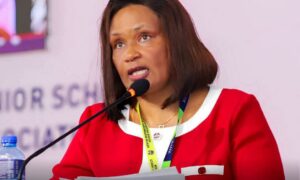
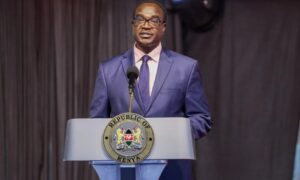
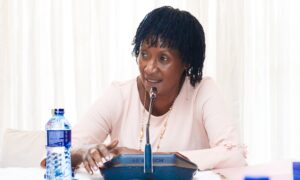
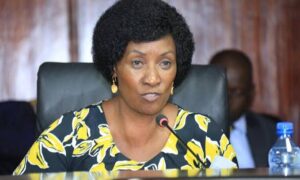
Other distinguished members of the committee include:
- Professor Goski Alabi
- Professor Rosemary Bosu
- Samuel Awuku, Ph.D.
- Professor Smile Dzisi
- Kofi Asare
- Stephen Owusu
- Inusah Shiraz
Mandate of the Committee
The committee’s core responsibility is to develop a structured agenda for the National Education Forum, bringing together key education stakeholders, including students, parents, teachers, researchers, policymakers, and civil society organizations.
Key Objectives and Tasks
According to the committee’s Terms of Reference (TOR), their mandate includes:
- Developing a theme and sub-themes to guide discussions.
- Identifying key stakeholders such as students, parents, teachers (both pre-tertiary and tertiary), researchers, and development partners.
- Creating an activity agenda that includes stakeholder discussions, plenary sessions, and thematic breakouts.
- Selecting a suitable venue and date(s) for the forum.
- Setting up a secretariat to handle documentation and coordination.
- Developing a budget for the forum’s execution.
- Compiling a final report detailing the discussions, findings, and recommendations.
- Drafting a national education policy framework and outlining an action plan for implementing key recommendations within three weeks after the forum.
- Considering other relevant issues affecting education in Ghana.
Significance of the Forum
The National Education Forum is expected to provide a platform for critical discussions on education reforms, ensuring that stakeholders contribute to shaping policies that improve the education system. With Ghana facing challenges such as curriculum updates, teacher training, funding, and infrastructure development, the forum’s recommendations could lead to transformative changes in education policies.
Government’s Commitment to Education Reform
President Mahama has consistently emphasized the importance of stakeholder-driven policy-making in the education sector. His administration is keen on addressing challenges such as accessibility, quality, and relevance of education to the job market.
Speaking on the development, Felix Kwakye Ofosu, the Acting Spokesperson to the President, reiterated that the forum would help establish a comprehensive education policy framework aligned with the country’s development goals.
What Happens Next?
The committee is expected to deliver its report and recommendations within the two-week deadline. After the forum, a detailed action plan will be presented to ensure that the proposals are implemented effectively.
With stakeholders eagerly awaiting the outcomes of this initiative, all eyes will be on the Mahama administration to see how this forum shapes the future of Ghana’s education system.