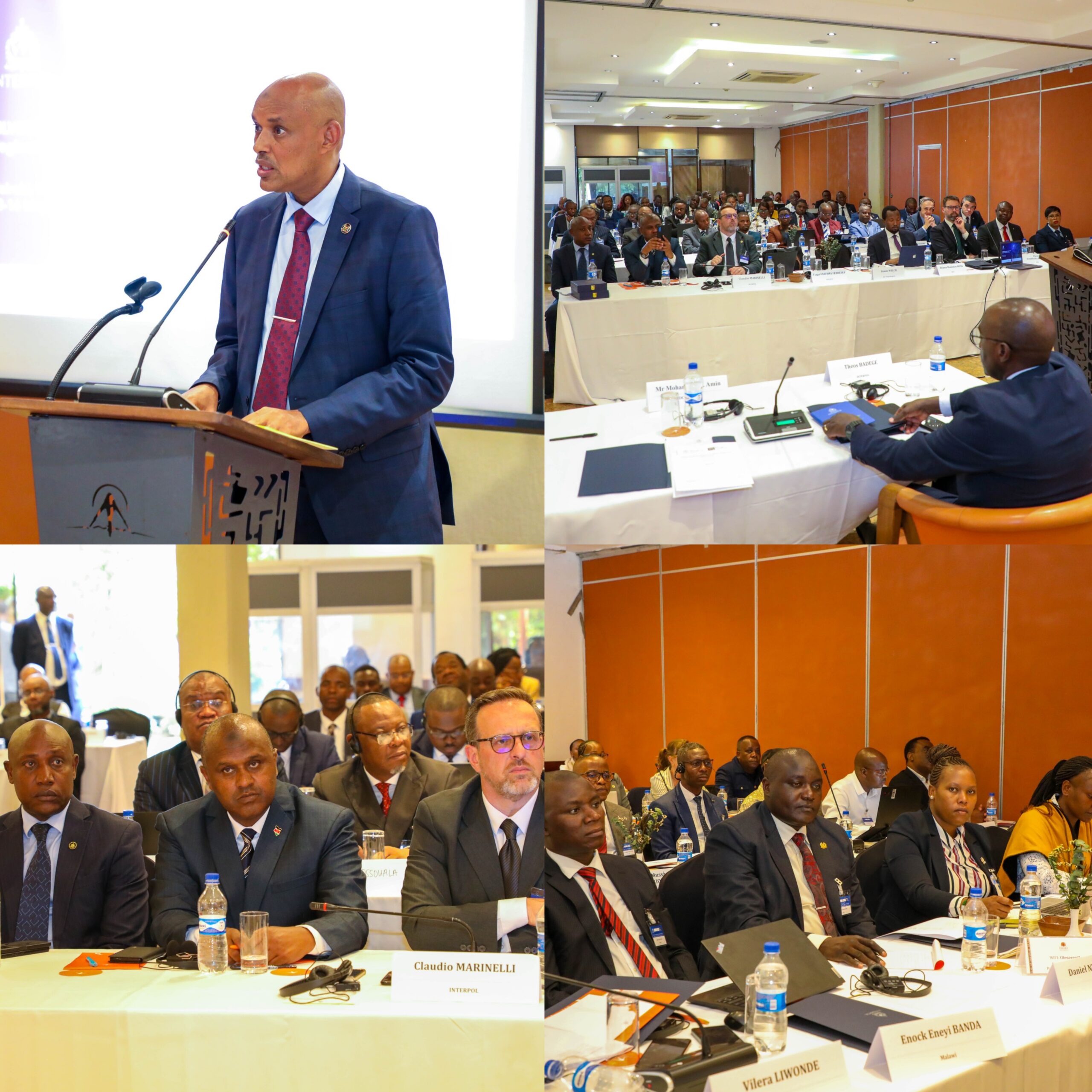
Interpol Silver Notices Take Center Stage in Nairobi as Kenya’s DCI Boss Unveils New Financial Investigations Unit
Nairobi, Kenya — In a strong display of global resolve to combat transnational crime, high-level delegates from Interpol member states are gathered in Nairobi for a four-day workshop focused on enhancing international asset recovery efforts through the newly introduced Interpol Silver Notices and Diffusions. The meeting, hosted at the prestigious Ole Sereni Hotel, was officially opened on Monday with a powerful message delivered on behalf of Kenya’s Inspector General of Police, Mr. Douglas Kanja Kirocho.
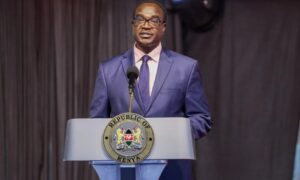
Addressing the gathering through the Director of Criminal Investigations (DCI), Mr. Mohamed Amin, the Inspector General emphasized the increasing complexity of cross-border criminal activities and the urgent need for international collaboration to effectively address them. “As criminals increasingly operate across borders while exploiting gaps in jurisdiction and laundering illicit wealth, international law enforcement must respond with unity, innovation and shared resolve,” read the statement from IG Kanja.
Silver Notices: A New Global Crime-Fighting Tool
The workshop’s focus on Silver Notices underscores Interpol’s commitment to arming its member countries with cutting-edge tools for the fight against organized crime. Unlike the well-known Red Notices, which focus on locating fugitives, Silver Notices are designed specifically to trace, track, and recover assets obtained through criminal means. This makes them an essential instrument in tackling the sophisticated world of financial crime and money laundering.
IG Kanja, who currently serves as the President of the Afripol General Assembly, described the Silver Notices as “more than just a tool,” but a symbol of global unity in the fight against organized crime. He called on all Interpol member states to fully embrace the Silver Notice mechanism, emphasizing the need for enhanced technology to track digital and crypto assets, and stronger legal frameworks to fast-track asset seizures and repatriations.
DCI Unveils Specialized Financial Investigations Unit
In a significant announcement, DCI Director Mohamed Amin revealed the creation of a new specialized wing within the Directorate of Criminal Investigations — the Financial Investigations Unit. The unit is tasked with probing complex financial crimes, including money laundering and terrorist financing. It will also play a critical role in identifying, tracing, and seizing assets acquired through criminal enterprises.
“This unit is a key pillar in our mission to dismantle illicit financial networks and recover assets hidden across jurisdictions,” said Mr. Amin. He reiterated Kenya’s unwavering support to Interpol’s operations through the National Central Bureau-Nairobi and pledged to strengthen Kenya’s contribution to cross-border criminal investigations.
The establishment of the Financial Investigations Unit marks a bold step in Kenya’s broader anti-corruption and anti-money laundering strategy. Experts say such a unit will be instrumental in bridging enforcement gaps that have historically allowed criminals to exploit weak financial oversight and legal loopholes.
Unity, Innovation, and Shared Resolve
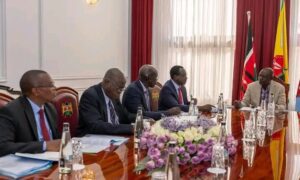
The four-day workshop, which has drawn representatives from Interpol, Afripol, and other law enforcement bodies from various countries, is expected to result in stronger policy coordination and intelligence-sharing protocols among participating states.
Mr. Apollo Africa, the Head of Interpol’s Regional Bureau, and Mr. Ibrahim Jillo, the Chief of Kenya’s National Central Bureau-Nairobi, were among the senior figures present at the event. They echoed similar sentiments on the importance of seamless cooperation and trust among member states.
According to Interpol, asset recovery remains one of the most challenging aspects of fighting organized crime. Criminals frequently move illicit funds across multiple jurisdictions, often using shell companies and cryptocurrency to obscure the money trail. Silver Notices are expected to significantly ease the burden on investigators by providing a global framework to alert member countries about suspicious assets and initiate recovery processes.
Kenya’s Role in Global Security
Kenya’s prominent role in hosting the Interpol meeting and spearheading new initiatives reflects its strategic position in the global fight against transnational organized crime. As the host country, Kenya has demonstrated its willingness to work closely with international partners to tackle criminal networks that extend beyond borders.
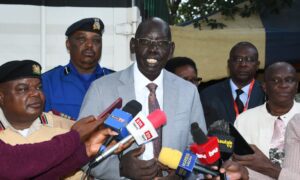
Speaking to the media on the sidelines of the event, a senior Interpol official described Kenya as “a regional leader in criminal intelligence and asset recovery,” pointing to the country’s rapid development of anti-money laundering institutions and increasing use of digital forensics in investigations.
What’s Next?
The Nairobi workshop is expected to produce a roadmap for the implementation of Silver Notices across Africa and beyond. Stakeholders are optimistic that the discussions will lead to the adoption of more synchronized cross-border mechanisms, especially in countries where asset tracing and repatriation have faced legal and institutional obstacles.
With rising cases of money laundering, terrorism financing, and cybercrime, the global law enforcement community is under pressure to innovate. Kenya’s launch of the Financial Investigations Unit and its hosting of the Interpol Silver Notices workshop demonstrate a strong commitment to rising to that challenge.
As the world becomes more interconnected, the need for robust international law enforcement mechanisms has never been greater. The Nairobi Interpol meeting, anchored by strategic discussions and groundbreaking initiatives, could mark a turning point in how countries collaborate to strike at the heart of transnational financial crime.