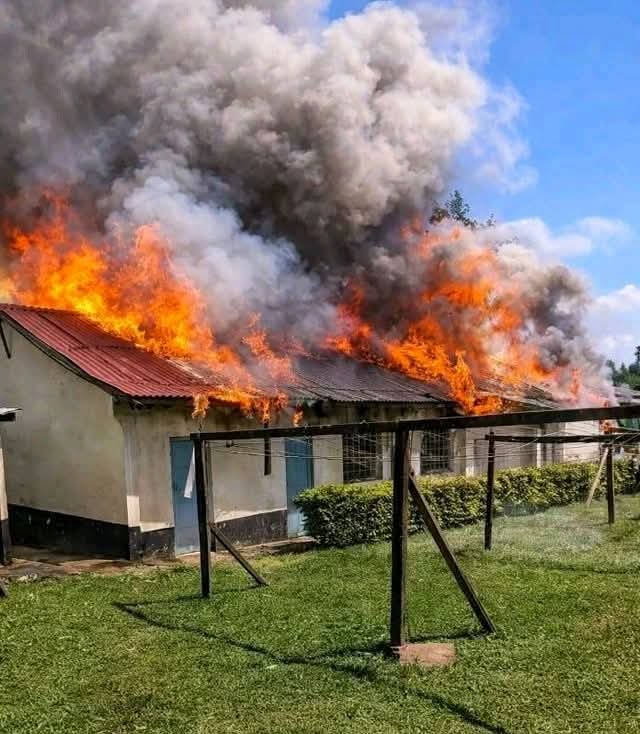
The tragic dormitory fire at Utumishi Girls Academy that claimed the lives of several students has sent shockwaves across Kenya and reignited concerns about safety in boarding schools. As investigations continue into the devastating incident, another alarming trend is emerging: a growing wave of student unrest that has reportedly affected dozens of secondary schools across the country.
Reports from various counties indicate that several schools have either suspended learning, sent students home, or temporarily closed following incidents of unrest, property destruction, attempted arson, and security concerns. The situation has raised serious questions about student welfare, school management, and the overall stability of Kenya’s education system.
As anxiety grows among parents, teachers, and education stakeholders, some observers are calling on the government to consider an emergency 10-day midterm break. They argue that such a move would provide sufficient time for authorities to investigate the causes of the unrest, assess security risks, and implement measures to prevent further disruptions.
Utumishi Girls Tragedy Sparks National Debate
The fatal fire at Utumishi Girls Academy has become one of the most heartbreaking school tragedies in recent years. The incident resulted in multiple fatalities and injuries, leaving families devastated and the nation searching for answers.
Investigators are examining the circumstances surrounding the fire, including whether it may have been deliberately started. Questions have also emerged regarding emergency preparedness, dormitory safety standards, and the effectiveness of existing school safety protocols.
The tragedy has renewed memories of previous school fires and unrest incidents that have claimed lives and destroyed property across the country. Despite numerous recommendations following past incidents, concerns remain about whether enough has been done to address underlying challenges facing boarding schools.
Schools Across Several Counties Affected
The current unrest appears to be widespread, with reports indicating that schools in Nairobi, Nakuru, Kiambu, Kisumu, Homa Bay, Murang’a, Makueni, Kitui, Nyamira, Bomet, Taita Taveta, Kisii, Kericho, Narok, and other counties have experienced varying degrees of disruption.
Among the institutions reportedly affected are some of Kenya’s most prominent secondary schools. While the reasons behind each incident may differ, the timing and frequency of the unrest have prompted concerns that there may be broader issues affecting students nationwide.
Education experts caution against assuming that all incidents are directly connected. However, they acknowledge that when unrest occurs simultaneously in multiple schools, authorities must investigate whether common factors are contributing to the situation.
Why a 10-Day Midterm Break Is Being Suggested
Supporters of a temporary nationwide break believe it could help restore stability and prevent the situation from escalating further. They argue that continuing normal operations while tensions remain high could place students, teachers, and school property at greater risk.
Security Assessments
A temporary closure would allow education officials and security agencies to conduct comprehensive inspections of schools across the country. These assessments could focus on dormitory safety, emergency exits, firefighting equipment, surveillance systems, and evacuation procedures.
The Utumishi Girls tragedy has highlighted the importance of ensuring that all schools are adequately prepared to respond to emergencies.
Investigating Root Causes
Student unrest is often driven by a combination of factors rather than a single issue. Potential causes may include academic pressure, disciplinary disputes, communication breakdowns, mental health challenges, poor living conditions, and dissatisfaction with school policies.
A coordinated investigation could help identify recurring themes and allow policymakers to develop long-term solutions rather than relying solely on disciplinary action.
Intelligence and Security Analysis
Some analysts believe the National Intelligence Service should play a more active role in understanding the current wave of unrest. Intelligence gathering could help determine whether incidents are isolated events or part of broader trends spreading across schools.
Authorities may also seek to understand the influence of social media, peer networks, and other external factors that could be contributing to student behavior.
Mental Health Support
The emotional impact of the Utumishi Girls fire cannot be overlooked. Students across the country have been exposed to distressing news coverage and discussions surrounding the tragedy.
Mental health professionals argue that counseling services should be strengthened to help students process fear, anxiety, grief, and uncertainty. A temporary break could provide an opportunity to expand psychological support programs and identify students who may be struggling emotionally.
Government Faces Growing Pressure
Although no nationwide school closure has been announced, pressure is mounting on authorities to take decisive action. Parents and education stakeholders are increasingly concerned about the possibility of further incidents if underlying issues are not addressed quickly.
The Ministry of Education has continued to emphasize school safety, compliance with regulations, and accountability. However, critics argue that stronger preventive measures may be necessary given the apparent scale of the unrest.
The coming days are likely to be critical as investigations continue and education officials assess the extent of the problem.
Is School Unrest Becoming a National Security Issue?
Many observers now believe the situation should be viewed not only as an education challenge but also as a matter of national security.
Schools are essential institutions that serve millions of learners. Widespread unrest can disrupt academic programs, destroy valuable infrastructure, endanger lives, and create anxiety among families and communities.
A coordinated response involving the Ministry of Education, security agencies, county governments, school boards, parents, and mental health experts may be necessary to restore confidence and stability.
Such collaboration could help identify emerging threats, strengthen preventive measures, and ensure that schools remain safe environments for learning.
Lessons Kenya Must Learn
The recent events underscore the need for continuous investment in school safety and student welfare. Several key lessons are emerging from the ongoing situation:
- Emergency exits must remain accessible at all times.
- Fire safety equipment should be regularly inspected and maintained.
- Schools should conduct routine emergency drills.
- Student grievances must be addressed through effective communication channels.
- Mental health services should be expanded.
- Security monitoring systems should be strengthened.
- Parents and communities should play a greater role in supporting student welfare.
- Regular safety audits should become standard practice.
Education specialists argue that preventing future tragedies requires more than reacting to individual incidents. It demands a comprehensive strategy that addresses both physical safety and the social challenges affecting students.
Conclusion
The tragic fire at Utumishi Girls Academy has exposed deeper concerns within Kenya’s education system. At the same time, the growing number of schools affected by unrest has intensified calls for urgent intervention.
Whether or not the government chooses to implement a 10-day nationwide midterm break, there is widespread agreement that decisive action is needed. Authorities must thoroughly investigate the causes of the unrest, strengthen school safety measures, and ensure that students can learn in secure and supportive environments.
The safety of learners is not merely an education issue. It is a national priority. The decisions made in the coming weeks could determine whether Kenya successfully restores stability in its schools or faces the risk of further disruptions and tragedies.