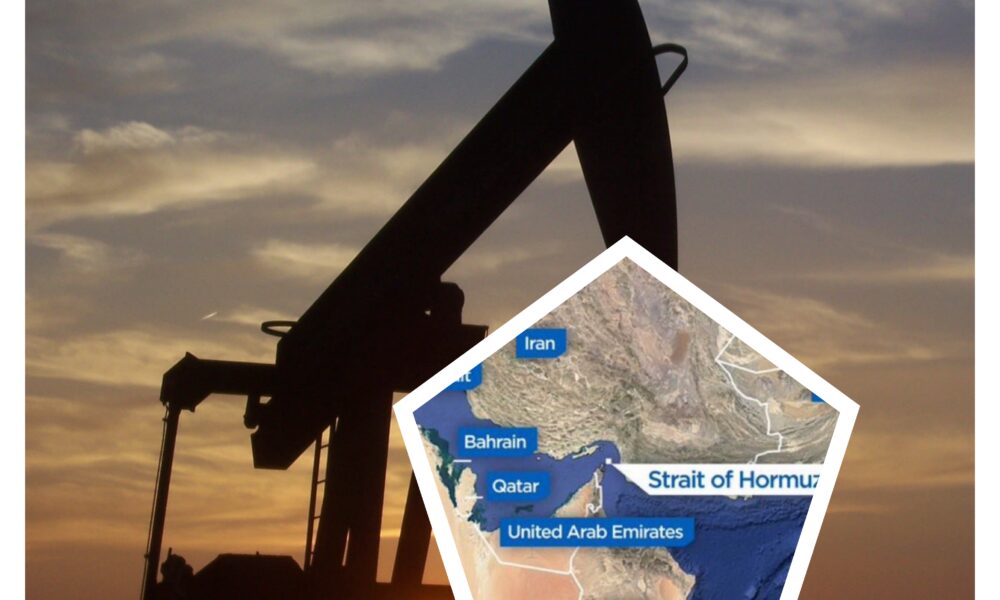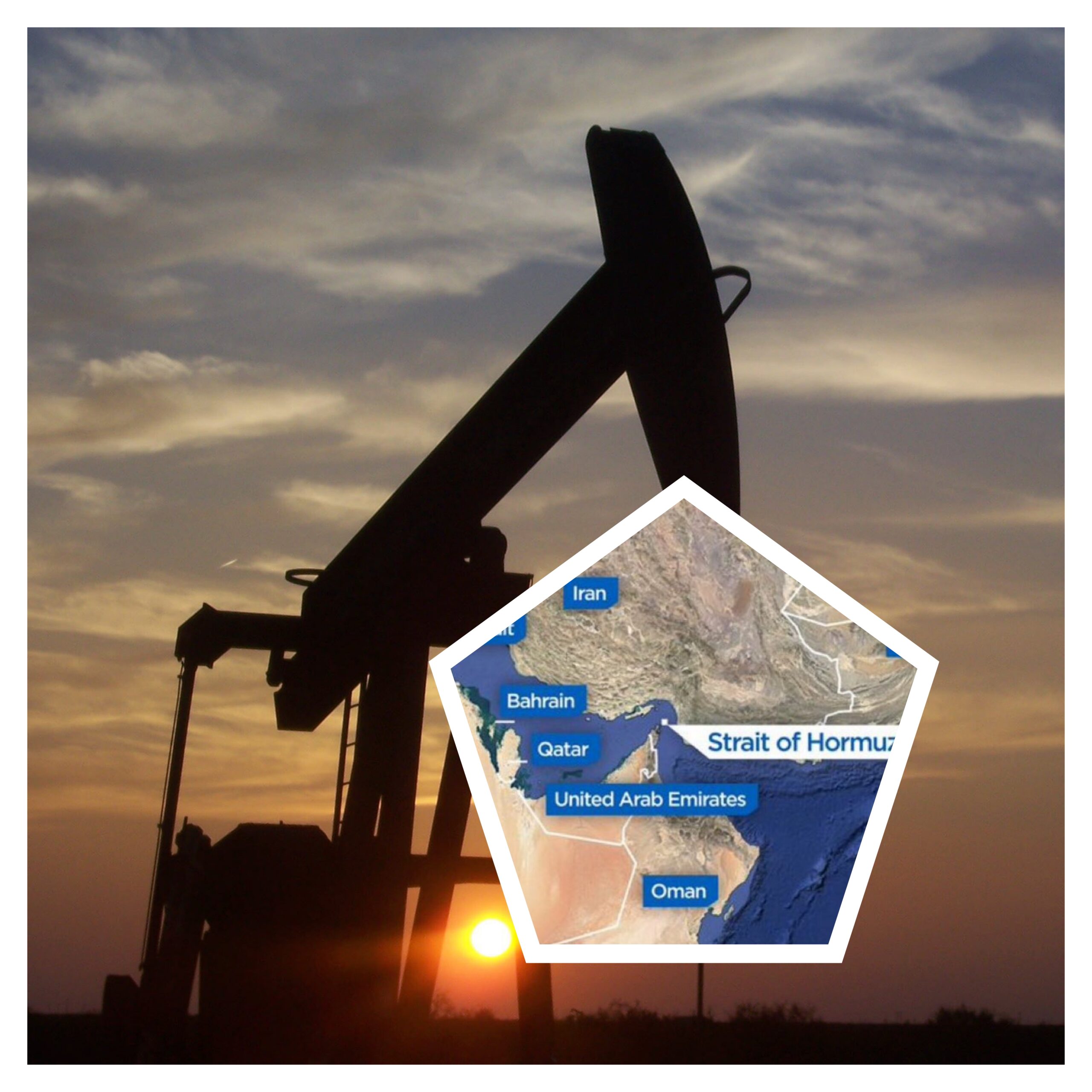
June 22, 2025 – In a dramatic escalation of tensions, the United States launched airstrikes targeting Iran’s key nuclear facilities, prompting Tehran to threaten the closure of the strategic Strait of Hormuz—a move that could disrupt 20% of global oil supplies and trigger a wider regional conflict.
US Airstrikes on Iran’s Nuclear Sites
President Donald J. Trump announced the successful completion of military strikes on three Iranian nuclear facilities—Fordow, Natanz, and Esfahan—declaring all aircraft safely out of Iranian airspace.
“We have completed our very successful attack on the three Nuclear sites in Iran,” Trump posted on X (formerly Twitter). “A full payload of BOMBS was dropped on the primary site, Fordow. All planes are safely on their way home. Congratulations to our great American Warriors.”
The attack marks the most direct US military action against Iran in years, following a series of alleged Israeli covert operations targeting Iranian nuclear scientists and infrastructure.
Iran’s Response: Parliament Approves Strait of Hormuz Closure
Within hours of the US strikes, Iran’s parliament voted to close the Strait of Hormuz, pending final approval from the Supreme National Security Council. The strait is a critical maritime chokepoint, through which 21 million barrels of oil—20% of global supply—flow daily.
Iran also reportedly initiated GPS jamming in the region, raising concerns over navigation risks for commercial and military vessels.
Analysts warn that any attempt to block the strait could provoke a US naval intervention, potentially leading to a direct military confrontation.
Global Reactions: Pakistan Condemns US Strikes
Pakistan issued a strong condemnation of the US attacks, calling them a violation of international law.
“We are gravely concerned at the possible further escalation of tensions in the region,” Pakistan’s foreign ministry stated. “These attacks violate all norms of international law, and Iran has the legitimate right to defend itself under the UN Charter.”
The statement emphasized the need for diplomatic solutions, urging all parties to adhere to international humanitarian law to prevent further civilian harm.
Economic Fallout: Oil Prices Skyrocket
Fears of a global oil supply shock sent crude prices surging by over 10% in early trading.
- Brent crude jumped to $120 per barrel.
- West Texas Intermediate (WTI) rose to $115 per barrel.
Energy experts warn that prolonged closure of the strait could trigger a global recession, given the reliance of major economies like China, India, and Europe on Middle Eastern oil.
US-Iran Tensions: A Path to War?
The US airstrikes come amid years of escalating tensions between Washington and Tehran, including:
- 2018: US withdrawal from the Iran nuclear deal (JCPOA).
- 2020: US drone strike killing Iranian General Qasem Soleimani.
- 2024-25: Alleged Israeli sabotage attacks on Iranian nuclear sites.
Military analysts suggest that Iran’s asymmetric warfare capabilities—including proxy militias in Iraq, Syria, and Yemen—could lead to retaliatory strikes on US forces or allies in the region.
Legal and Constitutional Concerns in the US
Some US lawmakers criticized the strikes as unconstitutional, arguing that President Trump did not seek Congressional approval.
“This is an act of war that requires Congressional authorization,” said Senator Elizabeth Warren (D-MA). “The President cannot unilaterally drag the US into another Middle East conflict.”
The White House has yet to release a detailed legal justification for the operation.
What Happens Next?
- Iran’s Final Decision on Strait of Hormuz – If implemented, the US Navy may intervene to keep the strait open, risking direct clashes.
- Global Diplomatic Pressure – The UN Security Council is expected to convene an emergency session.
- Oil Market Volatility – Further price spikes could destabilize economies worldwide.
- Potential Proxy Attacks – Iranian-backed groups may target US assets in Iraq or the Gulf.
Conclusion: A Dangerous Escalation
The US-Iran conflict has entered a new and perilous phase, with the potential to spiral into a full-scale war. The immediate focus is on whether Iran will follow through on its Strait of Hormuz threat—a move that could plunge the world into an energy and geopolitical crisis.
As global leaders call for de-escalation, the risk of miscalculation remains dangerously high.