In a dramatic turn of events, the Teachers Service Commission (TSC) has announced the impending dismissal of all junior secondary school (JSS) teachers who have participated in the ongoing strike. This decision was reached following an emergency meeting at TSC headquarters, highlighting the Commission’s firm stance on the matter.
The strike, which has severely disrupted learning in numerous schools, involves teachers who are demanding better pay and permanent and pensionable employment terms. The teachers, part of a larger group of 46,000 educators employed last year, have stayed away from their duties, leaving thousands of students without instruction. The TSC’s move to sack these teachers underscores the high stakes and the deepening crisis in the education sector.
Of the 46,000 teachers hired last year, a significant portion, approximately 38,000, were deployed to junior secondary schools on contract terms. Only 687 of these teachers were employed on a permanent basis, a fact that has been a major bone of contention. Additionally, there are around 6,000 interns working in primary schools, with about 8,000 interns in junior secondary schools. Many of these interns have joined the strike, exacerbating the situation. The TSC’s threat to terminate their employment puts nearly 8,000 jobs at risk, as these teachers have been striking since schools reopened.
The strike has brought the issue of employment terms for teachers to the forefront. The contractual nature of the majority of these positions has been a major source of frustration for the educators. Teachers argue that the lack of job security and benefits associated with permanent and pensionable terms make it difficult for them to perform their duties effectively and to plan for their future. The TSC, however, has maintained that the current terms are necessary due to budget constraints and the need to manage a large workforce efficiently.
The teachers’ demands are not without merit. The cost of living has been rising steadily, and many teachers find it challenging to make ends meet on their current salaries. The strike is a clear signal that they are no longer willing to accept the status quo. The teachers are calling for an immediate review of their employment terms, better pay, and the inclusion of all teachers on permanent and pensionable terms.
The decision to issue dismissal letters to the striking teachers has been met with mixed reactions. Some education stakeholders support the TSC’s tough stance, arguing that the strike is detrimental to students’ education and that the teachers should return to work while negotiations continue. Others, however, believe that the TSC’s approach is too harsh and that it could worsen the crisis. They argue that dialogue and negotiation are the best ways to resolve the impasse and that sacking teachers will only lead to more chaos and disruption in the education system.
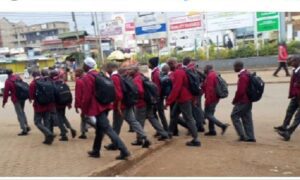
The impact of the strike on students cannot be overstated. With classes disrupted, many students are falling behind in their studies, which could have long-term consequences for their academic progress. Parents and guardians are also affected, as they are forced to make alternative arrangements for their children, often at a significant cost.
The TSC’s decision to sack the striking teachers marks a critical juncture in the ongoing dispute. It remains to be seen how the teachers will respond to this latest development and whether the threat of dismissal will bring an end to the strike or escalate the situation further. One thing is clear: the resolution of this conflict is crucial for the future of education in the country. Both the TSC and the teachers must find a way to come to an agreement that addresses the legitimate concerns of the educators while ensuring that students receive the quality education they deserve.
As the situation unfolds, all eyes will be on the TSC and the striking teachers to see how they navigate this challenging period. The hope is that a resolution can be reached that satisfies all parties and brings stability back to the education sector.