In a historic move aimed at fostering national unity and driving Kenya’s development, President William Ruto and opposition leader Raila Odinga have announced the formation of a high-powered five-member committee to oversee the implementation of their landmark 10-Point Agenda. This comes five months after the two leaders signed a groundbreaking Memorandum of Understanding (MoU) on March 7, 2025, pledging to address Kenya’s most pressing challenges.
The newly established committee, which includes prominent figures from civil society and politics, will be supported by a joint UDA-ODM secretariat. The team is expected to work closely with government institutions, civil society, and the public to ensure the successful execution of the MoU’s objectives.
But who are the key players in this committee? What exactly does the 10-Point Agenda entail? And how will this initiative impact ordinary Kenyans? Here’s everything you need to know.
The Genesis of the 10-Point Agenda
The MoU between President Ruto’s United Democratic Alliance (UDA) and Raila Odinga’s Orange Democratic Movement (ODM) was born out of a need to promote national cohesion and inclusive prosperity. The two leaders, recognizing the deep political divisions and economic challenges facing the country, agreed to a framework that would bring together all political formations and stakeholders.
The 10-Point Agenda focuses on critical areas such as:
- Full Implementation of the NADCO Report – Addressing electoral justice and political inclusivity.
- Inclusivity in Public Life – Ensuring all communities have a voice in governance.
- Strengthening Devolution – Enhancing county governments’ effectiveness.
- Youth Empowerment – Creating opportunities for Kenya’s young population.
- Leadership and Integrity – Promoting ethical governance.
- Right to Peaceful Assembly & Compensation for Protest Victims – Upholding constitutional rights.
- Managing National Debt – Tackling Kenya’s growing debt burden.
- Fighting Corruption – Curbing graft in public offices.
- Eliminating Government Wastage – Streamlining public expenditure.
- Upholding Rule of Law & Constitutionalism – Protecting democratic principles.
This ambitious plan is now set to be executed under the watchful eye of the newly appointed committee.
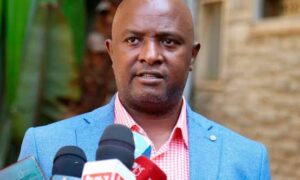
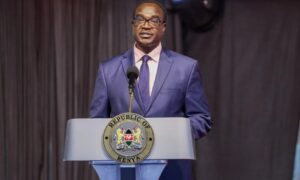
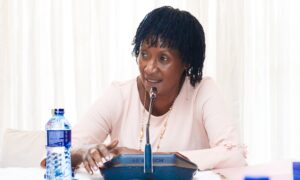
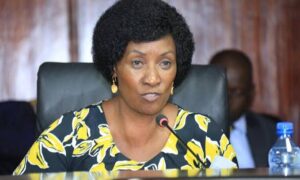
Meet the Powerful 5-Member Committee
The committee, announced on August 6, 2025, comprises respected figures known for their expertise in governance, law, and public service. Here’s a breakdown of the team:
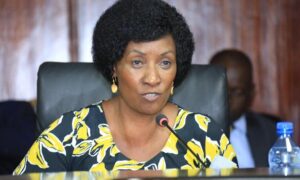
1. Agnes Zani – Chairperson
A seasoned politician and former senator, Zani is renowned for her role in legislative affairs. Her leadership will be crucial in steering the committee’s agenda.
2. Fatuma Ibrahim – Member
A human rights advocate and governance expert, Ibrahim brings a wealth of experience in policy formulation and civic engagement.
3. Kevin Kiarie – Member
A youth leader and political strategist, Kiarie is expected to champion the interests of young Kenyans in the implementation process.
4. Gabriel Oguda – Member
A vocal political analyst and digital rights activist, Oguda’s inclusion ensures that public participation remains a cornerstone of the committee’s work.
5. Javas Bigambo – Member
A lawyer and governance consultant, Bigambo’s legal expertise will be vital in ensuring compliance with constitutional provisions.
Additionally, a Joint Secretariat co-led by UDA and ODM representatives will provide administrative and logistical support.
How the Committee Will Operate
The committee’s mandate is broad but clear:
- Public Consultations: Engage Kenyans from all walks of life, including government bodies, civil society, religious groups, and the private sector.
- Progress Reports: Submit bi-monthly updates to President Ruto and Raila Odinga, with quarterly briefings to a joint Kenya Kwanza-ODM Parliamentary Group.
- Final Report: A comprehensive assessment of the MoU’s implementation will be released on March 7, 2026, exactly one year after its signing.
The first sitting of the Parliamentary Group is scheduled for August 18, 2025, signaling the urgency of this initiative.
Why This Matters for Kenya
1. Ending Political Hostilities
The Ruto-Raila pact has already eased political tensions that have plagued Kenya for years. This committee solidifies their commitment to working together.
2. Economic Revival
With a focus on debt management and fighting corruption, the 10-Point Agenda could restore investor confidence and spur economic growth.
3. Youth Empowerment
Unemployment remains a major crisis. The committee’s emphasis on youth livelihoods could unlock job opportunities and innovation.
4. Strengthening Devolution
County governments may receive more support, ensuring equitable resource distribution.
5. Upholding Human Rights
Compensation for protest victims and protection of assembly rights could heal past injustices.
Challenges Ahead
While the initiative is commendable, obstacles remain:
- Political Resistance: Hardliners from both sides may oppose collaboration.
- Implementation Hurdles: Past agreements have failed due to poor execution.
- Public Skepticism: Many Kenyans doubt the sincerity of political elites.
However, the inclusion of civil society figures in the committee may help build public trust.
Final Thoughts
The formation of this committee marks a pivotal moment in Kenya’s political landscape. If successfully implemented, the 10-Point Agenda could redefine governance, foster unity, and set the country on a path to lasting prosperity.
Stay Updated!
For more breaking news and in-depth analysis, follow us on Twitter and Facebook. Don’t forget to subscribe to our newsletter for daily updates!