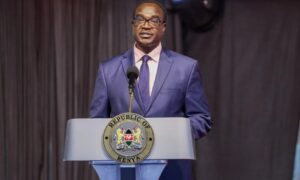
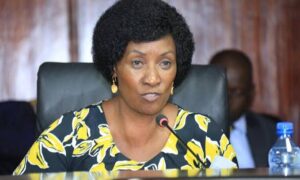
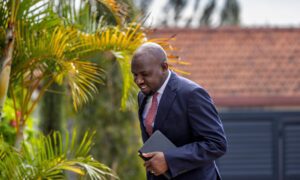
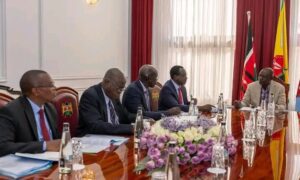
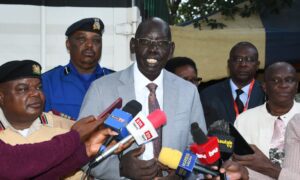
In a surprising and strategic political move, President William Ruto has announced the nomination of ten new cabinet secretaries, significantly reshaping his government. This bold decision includes bringing in prominent members from the opposition, signaling a potential shift towards a more inclusive governance model. The nominations are set to introduce fresh dynamics and new energy into key sectors of the Kenyan economy and administration.
A Diverse and Inclusive Cabinet
The new cabinet nominations include:
John Mbadi – National Treasury
Salim Mvurya – Investment Trade & Industry
Rebecca Miano – Tourism & Wildlife
James Opiyo Wandayi – Energy and Petroleum
Kipchumba Murkomen – Youth Affairs, Creative Economy & Sports
Hassan Ali Joho – Mining, Blue Economy
Dr. Alfred Mutua – Labour and Social Protection
Wycliffe Oparanya – Cooperatives, MSME Development
Justin Muturi – Public Service
Stella Soi Lang’at – Gender, Culture, Arts & Heritage
Political Implications
By incorporating opposition figures into his cabinet, President Ruto appears to be extending an olive branch, fostering a spirit of national unity and bipartisanship. This move could help bridge political divides and promote cooperation on national issues, which is crucial for the country’s stability and progress.
John Mbadi, a veteran politician and a key figure in the opposition, is set to lead the National Treasury. His extensive experience and deep understanding of Kenya’s economic landscape are expected to bring a fresh perspective to the country’s financial management.
Salim Mvurya, previously the governor of Kwale County, takes over the Ministry of Investment Trade & Industry. His hands-on experience in regional development and trade will be instrumental in driving Kenya’s industrial growth and attracting foreign investment.
Strengthening Key Sectors
Rebecca Miano, who previously served as the CEO of Kenya Electricity Generating Company (KenGen), will helm the Ministry of Tourism & Wildlife. Her background in managing one of the largest energy firms in the region equips her with the leadership skills necessary to boost Kenya’s tourism sector, a vital part of the national economy.
James Opiyo Wandayi, another notable opposition figure, will take charge of the Energy and Petroleum portfolio. His appointment comes at a time when Kenya is looking to expand its energy infrastructure and exploit new petroleum resources, aiming to achieve energy independence and economic growth.
Kipchumba Murkomen’s new role as the head of Youth Affairs, Creative Economy & Sports is particularly significant. His task will be to harness the potential of Kenya’s youth, fostering innovation and supporting the creative industries, which are seen as key drivers of future economic growth.
Emphasis on Economic Development
Hassan Ali Joho, known for his tenure as the governor of Mombasa, will now oversee Mining and the Blue Economy. His experience with coastal development and maritime issues positions him well to tap into the vast potential of Kenya’s maritime resources.
Dr. Alfred Mutua’s appointment as the Minister of Labour and Social Protection is expected to bring reforms aimed at improving labor conditions and enhancing social welfare programs, ensuring that economic growth benefits all Kenyans.
Wycliffe Oparanya, with his rich background in economic planning, will head the Cooperatives and MSME Development ministry. His role will be crucial in supporting small and medium-sized enterprises, which are the backbone of Kenya’s economy.
Public Service and Cultural Affairs
Justin Muturi, the former Speaker of the National Assembly, will bring his legislative experience to the Ministry of Public Service. His leadership is expected to streamline public service delivery and enhance efficiency in government operations.
Finally, Stella Soi Lang’at will lead the Ministry of Gender, Culture, Arts & Heritage. Her appointment underscores the government’s commitment to promoting gender equality and preserving Kenya’s rich cultural heritage.
Conclusion.
President Ruto’s cabinet nominations mark a significant turning point in Kenyan politics. By including opposition members and focusing on key economic and social sectors, he aims to build a more inclusive and effective government. These appointments are not only a political strategy but also a testament to the president’s vision for a united and prosperous Kenya. The success of this new cabinet will be closely watched as it embarks on addressing the challenges facing the nation and steering it towards sustainable development.