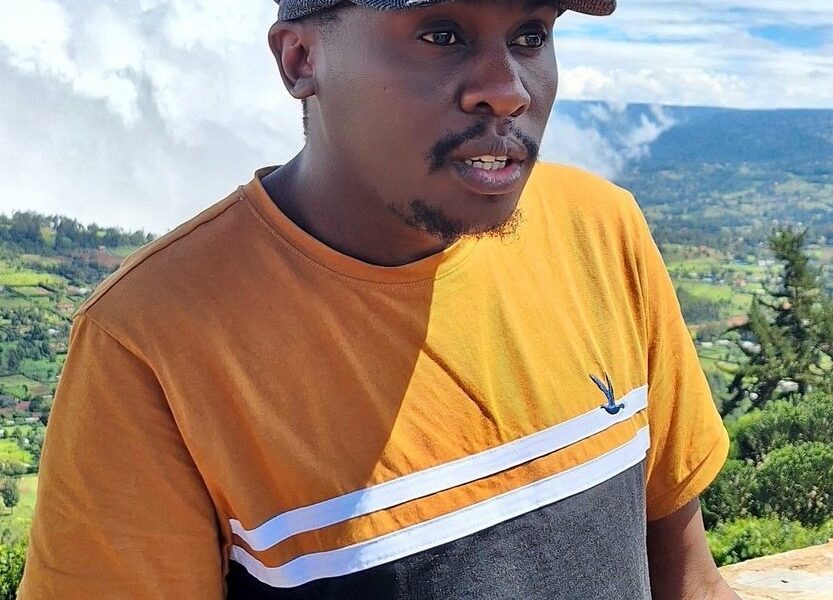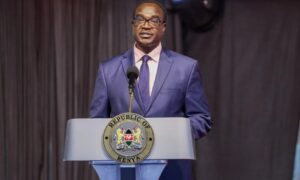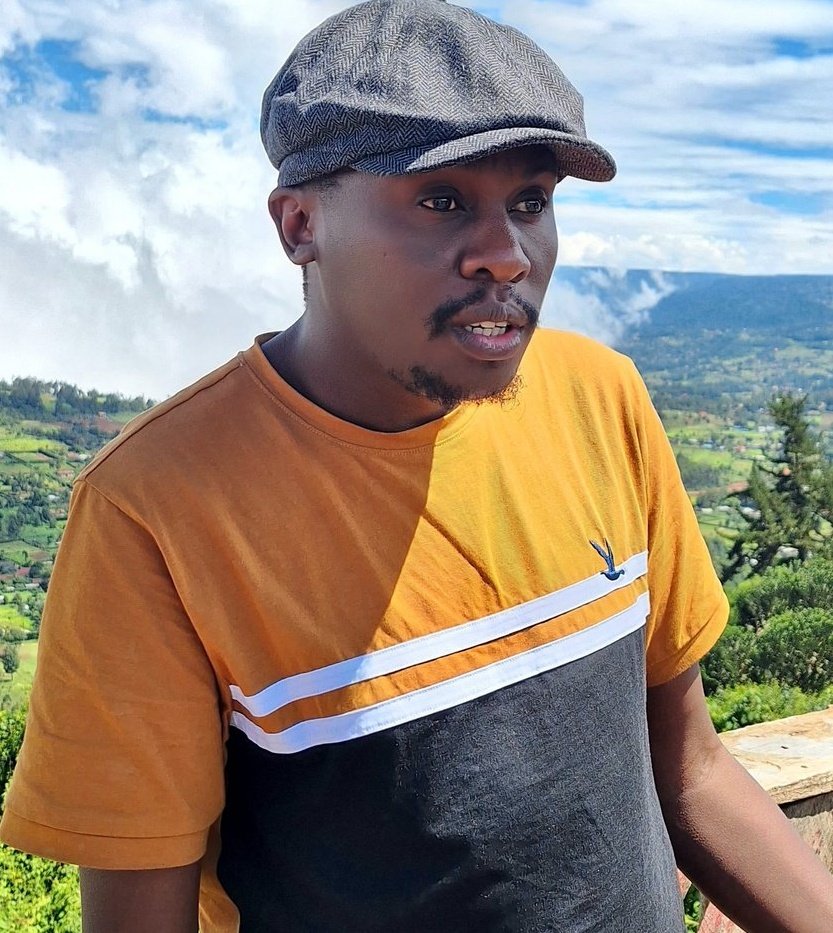
Social media influencer Osama Otero is under fire after hosting President William Samoe Ruto on X space, sparking controversy and accusations of betrayal among the Gen Z community.
In recent weeks, the Gen Z demographic has taken to the streets to protest against punitive taxation, rampant corruption, and the perceived insensitivity of Ruto’s government officials, alongside the contentious 2024 financial bill, which President Ruto was ultimately compelled to reject. The protests have highlighted a growing frustration with the current administration, particularly among the younger population.
Osama Otero, a prominent figure on social media, hosted President Ruto on a live X space event, a move that has been met with severe backlash. According to unconfirmed claims circulating online, Otero allegedly received financial compensation to host the president, thereby betraying the Gen Z community’s trust.
In his own defense, Osama posted on X, “You guys wanted to host the president hamkuwa mnataka awahost. I did exactly that,” attempting to justify his actions. However, his explanation has done little to quell the anger among his followers.
The core of the outrage stems from the desire of Gen Z protestors to have a direct conversation with President Ruto on the X platform, with the president as a listener rather than the host. The protestors intended to voice their grievances directly to the head of state. Instead, they feel that the opportunity was co-opted, preventing them from speaking or asking questions, and accusing Otero of using the platform to mute their voices.
The outrage was palpable on social media, with many users expressing their disappointment and anger towards Osama. Kevin Mboya posted on X, “Rex is being buried today while you are hosting his killers on your X space. We will never forget. You will never be forgiven.” This sentiment was echoed by Khalifu Kairo, who wrote, “@Osama_otero, damu ya huyu kijana haitwahi wacha upumzike. Rex, you did not die in vain. We will keep pressing on. I give you my word.”
Other influencers and activists also voiced their disapproval. Eric, another prominent figure, added, “Comrades, It’s not only Osama who has been approached. I was enticed, but I couldn’t abandon a noble cause that some of us had paid for with their our lives. It is wrong to take corrupt blood money. We soldier on warriors.”
Blogger Cyprian Nyakundi, a vocal critic of the government, also chimed in, stating, “My brother Osama, KOX needs an explanation on this and what that really happened. You can’t tell people not to do something then go ahead and do it. I know Hussein Mohammed was calling people the whole of yesterday but many refused to be used. Where is your consistency?” Nyakundi’s statements highlighted a sense of betrayal felt by many within the movement.
Nyakundi, who claims to have been approached by the government but refused their offers, continued, “Boss this is Twitter and I have been here since 2011. Let me tell you kila mtu ako na their own agendas and nobody has control over that. So don’t put your trust on humans. Even if you have millions of followers and die or get sick none will visit. So do your shit!”
In a series of posts, Nyakundi elaborated on his stance, warning others about the consequences of accepting money from the state. “In the next few days, watch them expose themselves! State house money is cursed. I have refused such money since 2015 when we removed Waiguru from office over the NYS saga. Don’t betray the people. They will perceive you as Malayas. Street cred takes years to build!” he wrote.
As the controversy continues to unfold, Osama Otero finds himself at the center of a storm, accused of betraying the very community that supported him. The incident has ignited a broader conversation about trust, integrity, and the influence of money in social activism, with many calling for greater accountability and transparency from public figures.