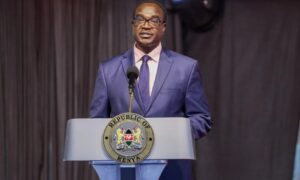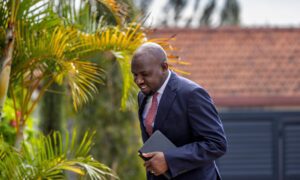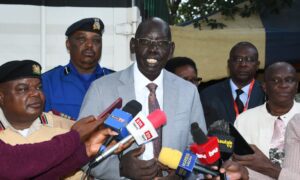
Nairobi, 29 June 2025 – Dennis Itumbi, Head of Presidential Special Projects and Creative Economy, has publicly commended Communication Authority (CA) Director-General David Mugonyi for his handling of media coverage during the recent Gen Z protests on 25 June.
In a post on X (formerly Twitter), Itumbi framed Mugonyi’s decision to restrict certain media coverage as an act of “patriotism under pressure,” sparking debate over press freedom and government influence on journalism.
“Choosing Kenya Over Cameras”
Itumbi’s statement praised Mugonyi for allegedly prioritising national stability over sensationalism.
“When others chased chaos for clout, David Mugonyi chose country over cameras,” Itumbi wrote. “When others chose hashtags and retweets, you chose to click Subscribe on +254. That’s not censorship. It is courage.”
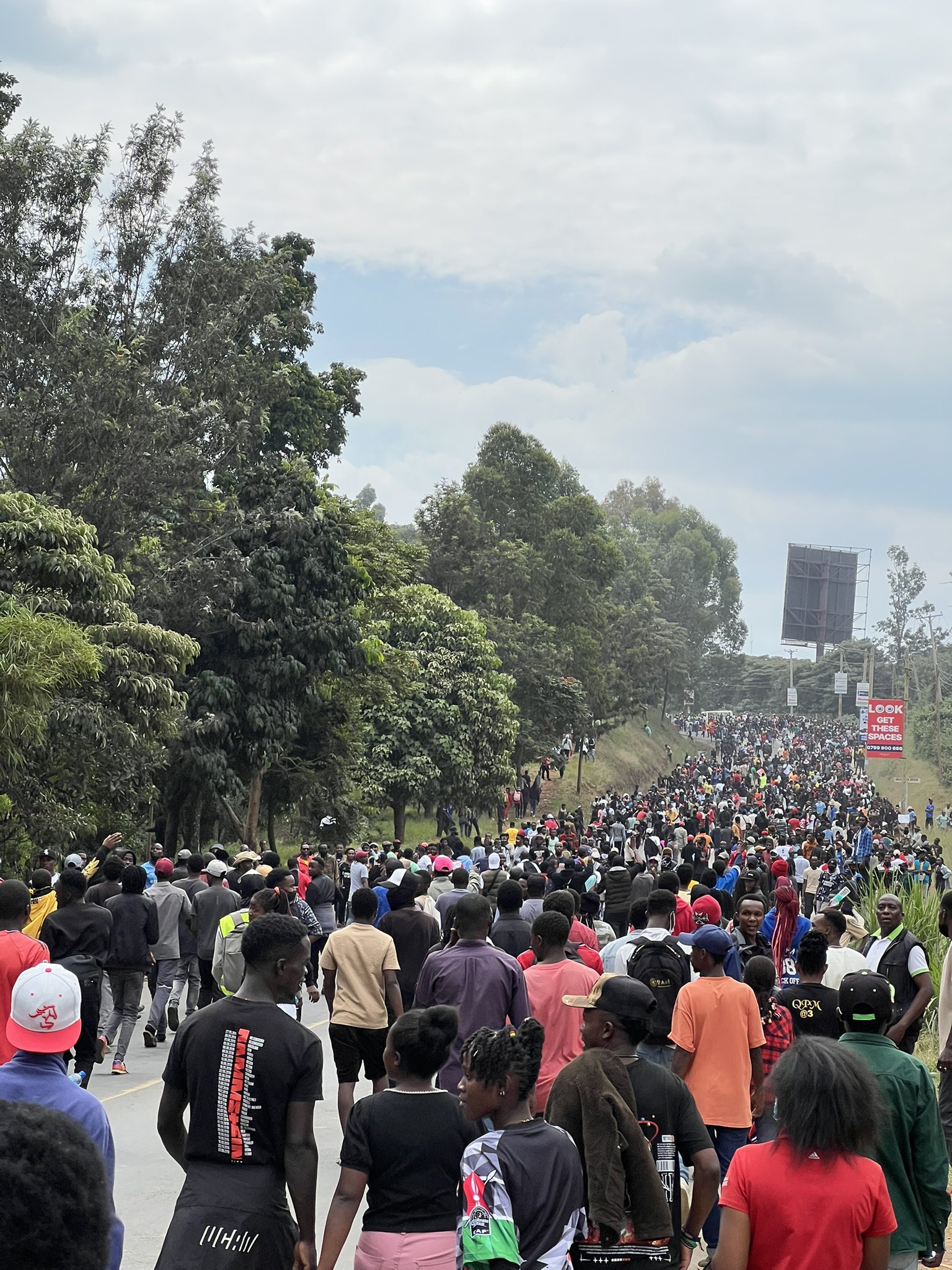
The remarks appear to reference reported restrictions on live broadcasts and social media updates during the protests, which saw thousands of young Kenyans demonstrating against proposed tax hikes and unemployment.
A Defence or an Admission of Media Control?
Itumbi’s framing of Mugonyi’s actions as “patriotism” has drawn mixed reactions. While some government supporters echoed the sentiment, critics argue it confirms state interference in press freedom.
Media Council of Kenya CEO David Omwoyo previously warned against “arbitrary shutdowns,” insisting that “a free press is essential, especially in times of crisis.”
However, Itumbi dismissed such concerns, stating:
“No Kenya, no newsroom. No country, no press freedom.”
He further accused some media houses of behaving like “unregistered political parties” rather than impartial newsrooms—a claim likely to fuel tensions between the government and independent journalists.
Global Precedents or Dangerous Precedent?
Itumbi compared Mugonyi’s actions to those of other nations facing civil unrest, suggesting Kenya was justified in limiting coverage to prevent escalation.
“Like many other countries in similar circumstances, you made the right choice,” he wrote.
However, press freedom advocates argue that such measures erode democratic norms. The Committee to Protect Journalists (CPJ) recently ranked Kenya among African countries with declining media freedoms, citing increased state pressure.
Mixed Reactions from the Public
Online, reactions were sharply divided.
- Supporters hailed Mugonyi for “maintaining order.”
- Critics accused the government of suppressing dissent.
One X user responded: “If the truth destabilises the country, then the problem isn’t the media—it’s the leadership.”
What Happened on 25 June?
The Gen Z-led protests saw massive turnouts in Nairobi, Mombasa, and Kisumu, with demonstrators demanding economic reforms. Reports of internet throttling and restricted live feeds circulated, though authorities denied a full shutdown.
The CA has yet to issue an official statement on the alleged restrictions.
Will This Set a New Media Policy?
Itumbi’s remarks suggest a hardening government stance towards media during crises. His call for Mugonyi to “choose Kenya every time” implies such measures could become standard.
Media stakeholders warn this could signal a return to punitive controls reminiscent of previous regimes.
Conclusion: Patriotism or Press Suppression?
The debate over Mugonyi’s actions reflects broader tensions between national security and civil liberties. While the government frames it as protecting stability, critics see a dangerous slide into authoritarianism.
As Kenya navigates economic and political challenges, the balance between free speech and state control remains a critical issue—one likely to resurface in future.