Odinga’s Bold Push to Shift Power to Counties Sparks Debate at Devolution Conference
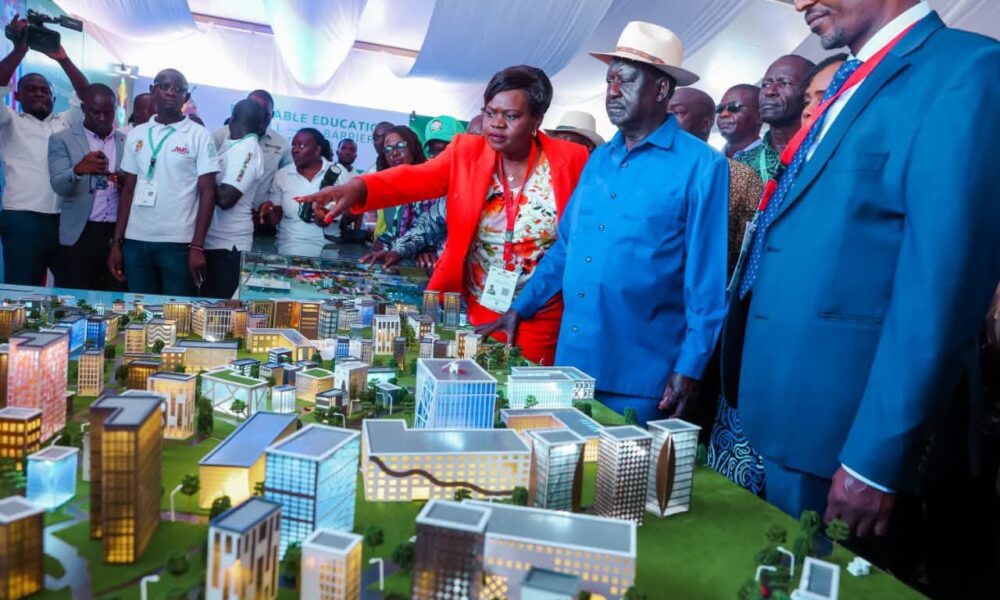
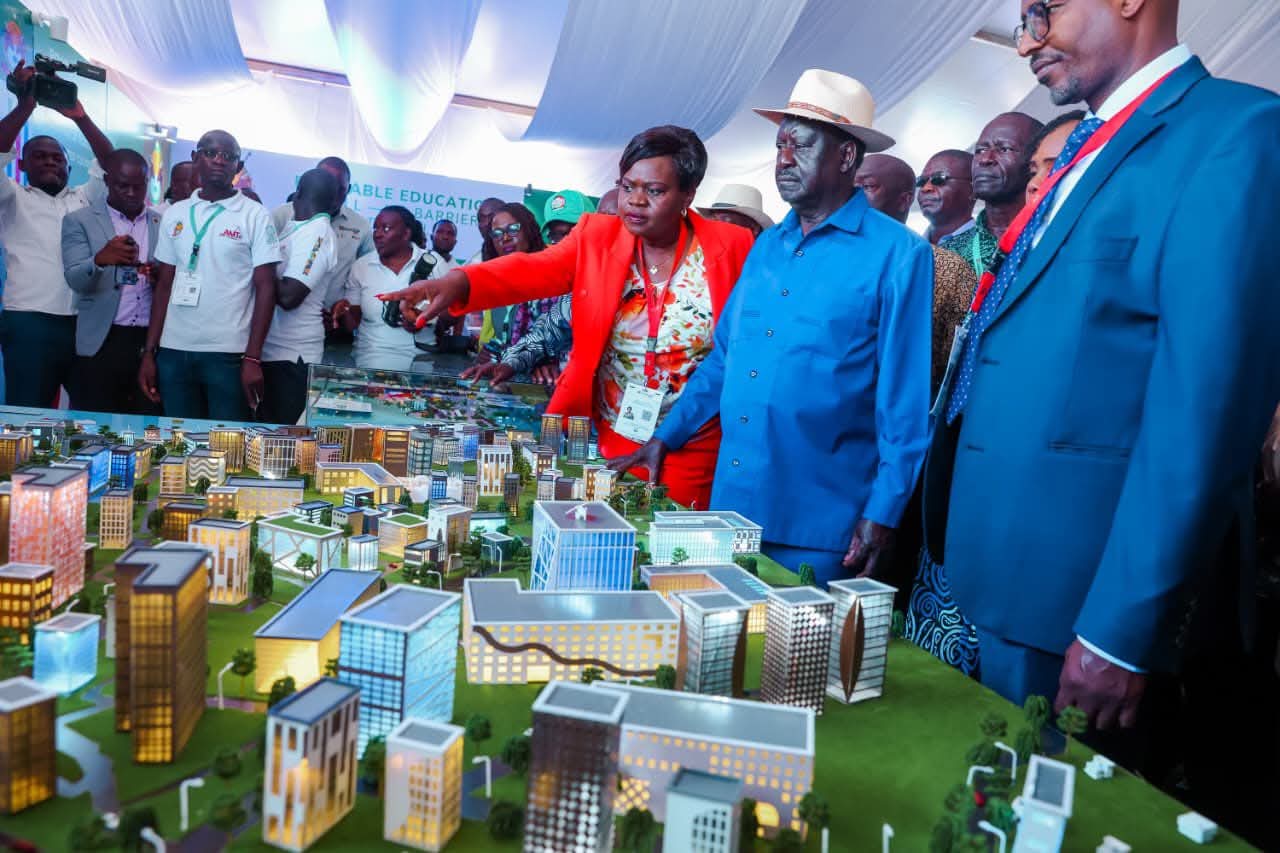
Homa Bay, Kenya – August 14, 2025 – In a fiery address at the Devolution Conference in Homa Bay, ODM leader Raila Odinga made a passionate case for decentralizing Kenya’s education system, urging the government to fully devolve management of schools up to the secondary level to county governments. This implies that teachers will also be paid as at county level. The former Prime Minister also stirred discussions by calling for automatic pensions for two-term governors, drawing parallels to existing MP benefits. His proposals have reignited debates on equity, governance, and the future of devolution in Kenya.
Odinga’s Case for Devolving Education
Raila Odinga minced no words as he criticized the current centralized system, where the national government oversees primary and secondary schools, often leading to inefficiencies.
“We must break the cycle of managing our schools from far away in Nairobi,” Odinga declared. “It makes no sense to see a minister of education going to Marsabit and Garissa to inspect primary school structures and construction. It is a shame because that is the work that should be done by the Governor.”
His argument hinges on the principle that counties, being closer to the ground, are better positioned to address local education challenges—from infrastructure gaps to teacher shortages. This move, he contends, would streamline decision-making, reduce bureaucratic delays, and ensure resources are allocated based on regional needs.
Why Devolve Education?
- Local Solutions for Local Problems – Counties understand their unique challenges, such as nomadic education in arid regions or language barriers in marginalized areas.
- Faster Implementation – Eliminating Nairobi-based approvals could speed up school projects, reducing delays in construction and staffing.
- Accountability – Governors and county assemblies would be directly answerable for education outcomes, increasing transparency.
- Resource Equity – Wealthier counties could supplement national funding, while poorer ones could receive targeted support.
Critics, however, warn of potential disparities, with richer counties outperforming others. Odinga dismissed these concerns, emphasizing that a robust equalization fund could bridge gaps.
Automatic Pensions for Governors: A Fair Deal?
In another bold proposal, Odinga demanded that governors who serve two terms receive automatic pensions, just like MPs.
“In Parliament, we did an amendment so that any MP who serves two terms is automatically entitled to a pension. Why can we not do the same for governors?” he argued. “A governor who has served two terms needs to be entitled automatically to a pension.”
This call has sparked mixed reactions:
- Supporters argue that governors work under immense pressure and deserve post-service security.
- Opponents question the affordability and fairness, given Kenya’s strained public wage bill.
Odinga urged MPs to amend the law, framing it as a matter of fairness. “This is a recommendation that should come from Homa Bay,” he said, challenging legislators to act.
Devolution’s Triumphs and Challenges
The conference, themed around human rights and social justice, became a platform to reflect on devolution’s impact since 2013. Homabay Governor Gladys Wanga praised Odinga’s role in Kenya’s devolution journey, calling him a steadfast advocate for equitable development.
Yet, challenges remain:
- Corruption – Odinga condemned graft in county governments, urging stricter oversight.
- Underfunding – Some counties still struggle with inadequate resources despite increased allocations.
- CDF Obsolescence – Odinga declared the Constituency Development Fund (CDF) redundant, arguing devolution has made it unnecessary.
What’s Next?
Odinga’s proposals are likely to shape political discourse ahead of the 2027 elections. If adopted, education devolution could redefine Kenya’s governance structure, while pension reforms for governors may set a new precedent for public service benefits.