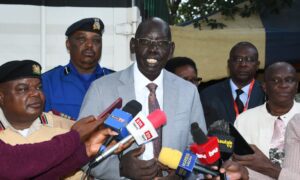
Miritini, Mombasa County, Kenya – March 27, 2024.
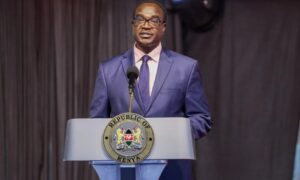
In the ongoing battle against illicit alcohol, narcotic drugs, and psychotropic substances, the Interior Cabinet Secretary, Kithure Kindiki, reaffirmed the government’s commitment to tackling both the supply and demand sides of the issue. Speaking from the heart of Mombasa County at the Miritini Drug Treatment and Rehabilitation Centre, Kindiki emphasized the importance of addressing the root causes of addiction through treatment, rehabilitation, and reintegration efforts.
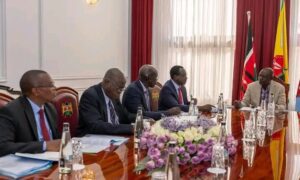
The visit to the Miritini facility served as a platform for Kindiki to assess the progress and immediate needs of the center. Flanked by key stakeholders including the Chairman of the National Authority for the Campaign Against Alcohol and Drug Abuse (NACADA), Reverend Stephen Mairori, and CEO Dr. Anthony Omerikwa, Kindiki underscored the significance of collaboration between the national and county governments in ensuring effective service delivery to those in need.
With an eye on expanding access to treatment and rehabilitation services, Kindiki announced ambitious plans to establish similar centers in all 47 counties across Kenya. These centers, once operational, will offer affordable, publicly funded services aimed at aiding individuals on their journey to recovery and reintegration into society.
The Miritini facility itself stands as a testament to the government’s commitment to combating substance abuse. With an initial investment of Ksh 1.3 billion, the center is poised to become a beacon of hope for individuals grappling with addiction. Of this amount, Ksh 166 million has already been disbursed, signaling progress towards the completion of the project.
Beyond offering traditional treatment and rehabilitation programs, the Miritini center is poised to take a holistic approach to recovery. In addition to therapy and counseling services, the facility will provide skills training in areas such as masonry, tailoring, and engineering crafts. This multifaceted approach aims to equip recovered individuals with the tools necessary to secure sustainable livelihoods post-rehabilitation.
Furthermore, the center will extend support to entrepreneurs by providing start-up capital for small businesses aligned with their newfound skills. By empowering individuals to become self-sufficient, the Miritini center seeks to break the cycle of addiction and dependence, paving the way for a brighter future for all involved.
The visit to Miritini served as a reminder of the human toll of substance abuse while also highlighting the resilience and determination of those working tirelessly to combat it. As Kenya continues to grapple with the scourge of addiction, initiatives such as the Miritini Drug Treatment and Rehabilitation Centre offer a ray of hope, demonstrating the transformative power of collective action and compassion.
In closing, Kindiki reaffirmed the government’s unwavering commitment to supporting individuals on their path to recovery, emphasizing the importance of community involvement and solidarity in the fight against substance abuse. With the Miritini facility poised to set a new standard for addiction treatment in Kenya, the future looks brighter for those in need of assistance and support.