In a rapidly escalating conflict, Israel has launched a series of powerful airstrikes on Yemen, targeting key infrastructure in retaliation after a Yemeni missile reportedly struck Ben Gurion Airport near Tel Aviv. The attack led to the suspension of all incoming and outgoing flights, raising alarm across Israel and the region.
Ben Gurion Airport on Lockdown
On Sunday, May 4, a missile believed to have been launched by Houthi forces in Yemen successfully evaded Israeli and American air defense systems and hit Israel’s busiest air hub, Ben Gurion International Airport. The incident forced the Israeli authorities to ground all flights indefinitely, citing security concerns and the need to assess damages.
According to Israeli media sources, both the Israeli-developed Iron Dome and the U.S.-manufactured THAAD (Terminal High Altitude Area Defense) systems failed to intercept the missile. The Arrow 3 missile defense system also reportedly did not engage, raising significant questions about the reliability of Israel’s air defense capabilities.
Israel Responds with Airstrikes on Yemen
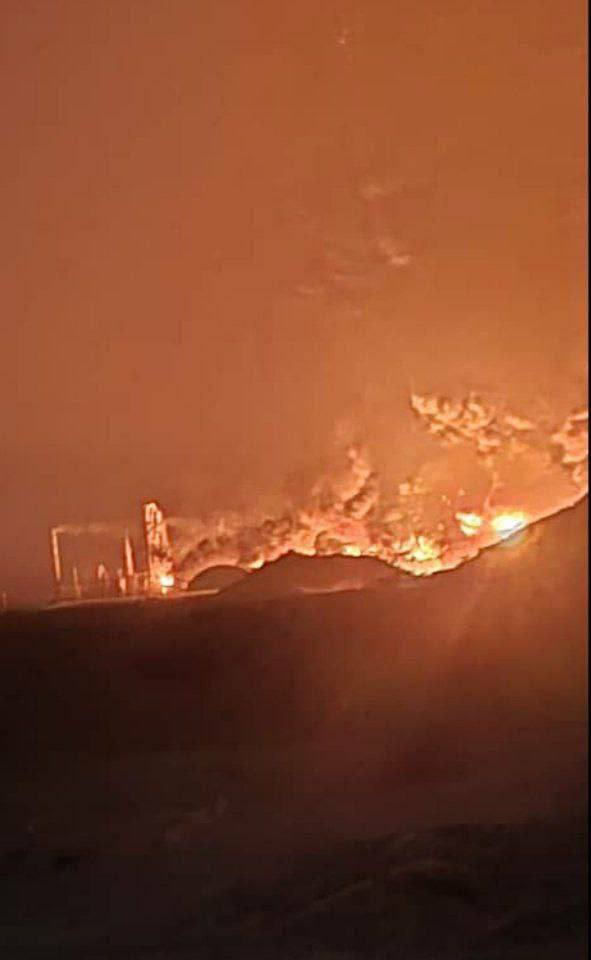
In retaliation, Israeli warplanes struck multiple targets in Yemen, focusing on Hodeidah, a major Red Sea port city. Security sources confirm that 48 bombs were dropped during the operation. Two primary targets were hit: the Bajil Cement Factory and the port of Hodeidah itself, both considered vital infrastructure in western Yemen.
Footage and eyewitness reports from the scene indicate heavy damage to the concrete production plant, with parts of the port reduced to rubble. Smoke was seen billowing from multiple locations, and local residents reported panic as the airstrikes pounded the coastal city throughout the night.
Israeli Official: We’re Ready for a Houthi Response
An unnamed Israeli security official stated that the airstrikes are not expected to immediately halt future missile launches from Yemen. “We do not expect our attack on Yemen to stop the Houthi missile attacks. We are getting ready for a response already,” the official noted, suggesting that further escalation is anticipated in the coming days.
The timing of the Israeli attack is significant, coming exactly one day after the missile hit Ben Gurion Airport. Analysts believe the swift military response was designed not just to neutralize potential threats but also to send a strong message to Tehran-backed Houthi forces in Yemen.
Air Defense Failure Sparks Global Concern
The failure of advanced missile defense systems like Iron Dome and THAAD to intercept the Yemeni missile has triggered international concern. These systems have long been touted as some of the most effective in the world, designed to protect Israeli and allied assets from missile threats.
Military experts are now questioning the reliability of these systems in facing unconventional threats, especially from non-state actors operating in complex terrains like Yemen. The U.S., which supplies THAAD and supports Israel with intelligence and defense coordination, has yet to issue a formal statement on the failure.
What’s Next?
The Israeli government has not officially commented on the full scale of the damage at Ben Gurion Airport. Meanwhile, commercial airline operators and international flight tracking services have confirmed that all scheduled flights to and from Israel have been canceled until further notice.
As tensions rise between Israel and the Iran-aligned Houthi movement in Yemen, the region is bracing for potential retaliation. With both sides signaling readiness for continued military action, the risk of a broader Middle East conflict is growing.
This story is developing and will be updated as more information becomes available.