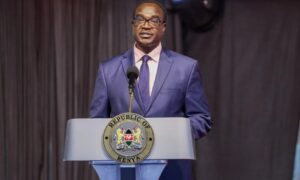
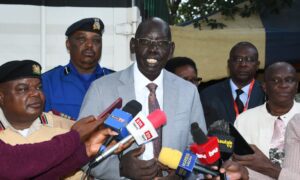
In a dramatic escalation of civil unrest, Deputy Inspector General (DIG) Eliud Lagat is at the center of a national controversy following the suspicious death of 31-year-old teacher and social media influencer, Albert Omondi Ojwang. What started as a contentious arrest in Homa Bay on June 7, 2025, has erupted into nationwide outrage, protests outside Nairobi’s Central Police Station and Nairobi Funeral Home, and widespread accusations on social media that the police boss orchestrated Ojwang’s death. Civil society, legal leaders, and political figures are now calling for justice and Lagat’s immediate resignation.
What Happened to Albert Ojwang?
Timeline of Events:
- June 7, 2025 – Ojwang, a popular teacher from Homa Bay with a large following on X (formerly Twitter), was arrested by DCI officers in Migori for allegedly posting derogatory comments about a senior police officer—reportedly DIG Lagat. He was transported over 400 kilometers to Nairobi’s Central Police Station.
- June 8, 2025 – Police claimed that Ojwang hit his head against a cell wall while alone and was taken to Mbagathi Hospital where he was pronounced dead on arrival.
- Aftermath – The Independent Policing Oversight Authority (IPOA) began an investigation. Ojwang’s body remains at Nairobi Funeral Home pending post-mortem.
Why Kenyans Are Crying Murder
Physical Injuries and Alleged Police Brutality
Before police released a statement, reports emerged that Ojwang’s body bore visible bruises. The police narrative that he caused the injury himself raised public suspicion.
Family Disputes Official Claims
Ojwang’s father, Meshack Opiyo, revealed that his son was picked up by plainclothes officers who said he had insulted their “boss.” The family was neither informed of the charges nor his transfer to Nairobi.
Faith Odhiambo, President of the Law Society of Kenya (LSK), rejected the suicide claim, noting that Ojwang’s friends were actively raising bail money for his release, indicating he had no intention of self-harm. She also alleged that DCI officers sealed off the crime scene, raising concerns of evidence tampering.
Pattern of Impunity
Many Kenyans are comparing this incident to previous cases of state brutality, especially during the 2024 finance bill protests where demonstrators were reportedly killed or abducted. Activists claim that the current administration is increasingly targeting dissenters online and offline.
Digital activist Kelvin Moinde, who was detained after criticizing Lagat, said that his own arrest without a warrant shows a deliberate campaign to silence critics.
Who is DIG Eliud Lagat?
Eliud Lagat, 52, is a seasoned police officer with over 25 years in service, several national commendations, and a Master’s degree in Armed Conflict and Peace Studies from the University of Nairobi.
Since becoming DIG in May 2025, Lagat has led raids on illicit alcohol, drug dens, and counterfeit products. He has also been pushing for better police conduct, including surprise inspections of police cells.
Despite these reforms, Lagat has recently come under fire online, with the hashtag #UtumishiKwaLagat gaining traction as users accuse him of corruption, extortion, and now, murder. A viral post read: “DIG Eliud K Lagat abducted, tortured, and murdered Albert Omondi Ojwang. He should be arrested and charged immediately.”
Mass Protests and Demands for Resignation
From June 9, activists, lawyers, and civil society leaders have been staging protests outside the Central Police Station and Nairobi Funeral Home, demanding Lagat’s resignation and prosecution.
Prominent figures leading the demonstrations include:
- Nelson Havi – Former LSK President and current Senator, who called for Lagat to be arrested and charged with murder.
- Davji Atellah – Secretary-General of the Kenya Medical Practitioners, Pharmacists and Dentists Union (KMPDU), who claimed police have turned against citizens and that he himself was once brutalized by the same officers.
- Kelvin Moinde – Digital activist who claims to have been arrested and transferred across police stations after posting criticisms of DIG Lagat.
During the protests, police used tear gas to disperse demonstrators—further inflaming tensions.
Official Reactions and Allegations of Cover-Up
Police Spokesperson Muchiri Nyaga stated that Ojwang was lawfully arrested for “false publication” and reiterated that his death was due to self-inflicted injuries.
IPOA has since launched an investigation, and officers on duty during the incident have been suspended.
The Law Society of Kenya has dismissed the police explanation, asserting that Ojwang’s arrest and death suggest foul play and vowed to pursue justice.
Ojwang’s arrest in Migori and transfer to Nairobi for “further questioning” over a social media post has been criticized as a violation of legal jurisdiction.
Ojwang’s Death: A National Flashpoint
Kenya is at a delicate moment. Economic challenges, rising frustrations from previous protest crackdowns, and increased suppression of free speech have created a combustible environment.
Activist Ndungi Githuku described Ojwang’s death as “the final spark” and warned that Kenya’s poor are being oppressed by the wealthy and powerful.
Amnesty International and other rights groups have demanded a full and transparent investigation.
The Stakes for Government and Police
- Credibility Crisis
DIG Lagat was expected to lead reforms. Allegations against him now threaten the entire reform agenda. - Political Fallout
Calls for accountability have reached the highest levels of government, with even former Deputy President Rigathi Gachagua reportedly expressing concerns. - Public Trust in Law Enforcement
Failure to act decisively could discourage civic engagement or lead to more intense public dissent. - Freedom of Expression at Risk
Many Kenyans now fear that online dissent may result in violent retribution from the police.
What Happens Next?
- IPOA Investigations – The country awaits a conclusive report on what truly happened to Albert Ojwang.
- Potential Legal Action – The family, LSK, or civil society may take the matter to court.
- Calls for Lagat’s Resignation or Arrest – Pressure is mounting for the DIG to step aside as investigations continue.
- Public Demonstrations – More protests are expected in the coming weeks, especially if authorities delay action.
Analysis and Implications
- DIG Lagat’s Reputation
Once viewed as a reformist, Lagat now stands accused of grave human rights violations. - Police Reform on the Line
This incident could either stall or reinvigorate calls for genuine police accountability. - Democracy in Danger
Kenyans are watching closely to see if justice will prevail—or if this marks a turning point toward authoritarianism.
Voices from the Frontline
- Davji Atellah: “As long as the rogue Deputy Inspector General remains in office, no Kenyan is safe.”
- Nelson Havi: “Lagat should be arrested and prosecuted.”
- Faith Odhiambo: “Ojwang was raising bail funds. The suicide story doesn’t add up.”
In Summary
- A respected teacher and influencer has died under mysterious circumstances in police custody.
- DIG Eliud Lagat is being accused of orchestrating his abduction, torture, and murder.
- Protests, legal challenges, and investigations are intensifying nationwide.
- Public confidence in law enforcement is at a breaking point.
- Kenya faces a critical moment for democracy, justice, and human rights.
This is a developing story. More updates to follow.