Uganda’s latest presidential election has delivered a decisive victory for President Yoweri Museveni, extending his rule to a seventh term and deepening political divisions in the East African nation. Official results announced by the Electoral Commission show the 81-year-old incumbent winning about 7.9 million votes, or 71.6%, while his main challenger, opposition leader Bobi Wine, secured roughly 2.7 million votes.
But while the government has declared the election a success, the aftermath has been marked by rejection, anger, fear and international concern, with critics questioning whether the vote was free and fair and supporters of the opposition warning of a dangerous moment for Uganda’s democracy.
This article explains everything you need to know about Uganda’s election — what happened, what people are saying, why it matters, and what could come next.
Who Is Yoweri Museveni?
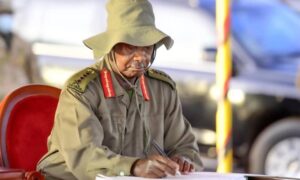
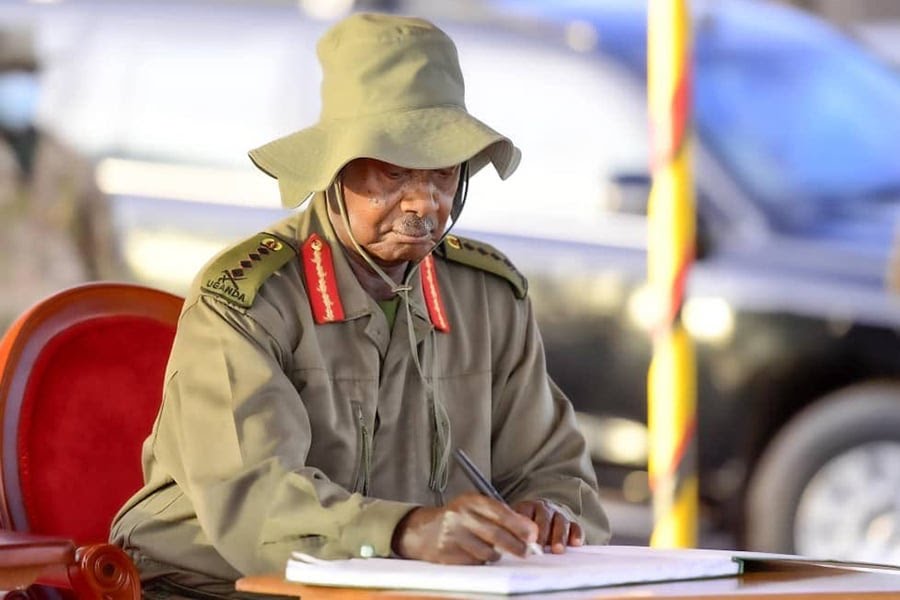
Yoweri Kaguta Museveni has been Uganda’s president since 1986, after leading a guerrilla war that overthrew the government at the time. Once hailed by Western governments as part of a “new generation” of African leaders, Museveni has gradually become one of the world’s longest-serving presidents.
Over nearly four decades in power, he has overseen periods of economic growth, expanded infrastructure and relative national stability compared with Uganda’s violent past. His supporters argue that he brought peace after years of turmoil and remains the only leader capable of keeping the country stable.
However, critics say Museveni’s rule has also been marked by shrinking political space, weakened institutions, corruption and repeated constitutional changes that removed presidential term and age limits — reforms that allowed him to run again despite his advanced age.
Who Is Bobi Wine?
Bobi Wine, whose real name is Robert Kyagulanyi Ssentamu, is a former pop star turned politician who has become the face of Uganda’s youthful opposition. At 43, he represents a stark contrast to Museveni in both age and style.
Wine rose to prominence by using music and social media to speak out against corruption, police brutality and unemployment, issues that resonate strongly with Uganda’s young population. More than 75% of Ugandans are under 30.
To his supporters, Bobi Wine symbolises hope, generational change and democratic reform. To the government, he is often portrayed as reckless, destabilising or backed by foreign interests.
How the Election Was Conducted
Ugandans voted amid tight security, heavy military presence and a nationwide internet shutdown that began before polling day and continued through vote counting.
The government said the internet blackout was necessary to prevent misinformation and maintain public order. Opposition groups, journalists and civil society organisations argued it severely restricted transparency, limited independent reporting and made it difficult to verify results.
Reports from polling stations across the country described:
- Delayed opening of voting centres
- Faulty biometric voter machines
- Missing or insufficient ballot papers
- Heavy deployment of police and soldiers
In some areas, voting continued late into the night after earlier disruptions.
The Results and Immediate Fallout
When the Electoral Commission announced the final tally, Museveni was declared the clear winner with more than two-thirds of the vote. The margin eliminated the need for a runoff election.
Bobi Wine immediately rejected the outcome, calling the results “fake” and accusing authorities of large-scale rigging, ballot stuffing and voter intimidation. He said the numbers announced did not match results collected by his party’s own agents.
In a statement, Wine said:
“The people of Uganda know the truth. What has been announced does not reflect the will of the voters.”
Security forces surrounded Wine’s home shortly after the vote. Police said this was to prevent unrest, while opposition figures described it as de facto house arrest. Conflicting reports later emerged about his movements, adding to uncertainty and tension.
Violence and Fear on the Streets
The days surrounding the election were marked by reports of violence, including clashes between security forces and opposition supporters.
Local leaders and rights groups reported deaths, injuries and arrests in several districts. The government said security forces acted to restore order and prevent chaos, while critics accused them of using excessive force to silence dissent.
Ordinary Ugandans interviewed by local radio stations and quoted on social media described an atmosphere of fear. Some said they stayed indoors, unsure whether protests would erupt or whether security forces would respond harshly.
One Kampala resident was quoted as saying:
“We voted, but now we are scared to speak. You don’t know what will happen if you say the wrong thing.”
What Ugandans Are Saying
Public reaction to the election has been sharply divided.
Supporters of Museveni say:
- He remains the safest option for stability
- Opposition leaders exaggerate claims of fraud
- Security measures were necessary to prevent violence
One supporter told a local broadcaster:
“We cannot experiment with leadership. Museveni has kept this country together.”
Opposition supporters argue:
- The election was decided long before voting day
- The internet shutdown hid irregularities
- Young people are being denied a voice
A Bobi Wine supporter said:
“How can an election be free when soldiers are everywhere and the internet is cut?”
On social media platforms, Ugandans inside and outside the country described the vote as “a ritual, not a choice,” while others urged calm and warned against violence.
International Reaction
International human rights organisations and foreign observers have raised serious concerns about the election environment.
Rights groups criticised:
- The internet shutdown
- Restrictions on media and opposition campaigning
- Arrests and harassment of activists
- The role of security forces in civilian political activity
Several observers said these factors undermined confidence in the credibility of the results.
Diplomats and analysts expect Western governments, regional bodies and international partners to issue carefully worded statements — balancing concerns about democracy with Uganda’s strategic role in regional security and peacekeeping.
Why This Election Matters
This election is about more than who won or lost.
It highlights a deeper struggle in Uganda between:
- Long-entrenched leadership and demands for renewal
- State control and civil liberties
- Stability and democratic accountability
Uganda’s young population faces high unemployment, rising living costs and frustration over limited opportunities. Many feel locked out of political decision-making despite their demographic majority.
The election outcome may also shape:
- Uganda’s relations with donors and investors
- The future of opposition politics
- The likelihood of protests or legal challenges
What Happens Next?
Bobi Wine and his allies are expected to challenge the results through legal and political channels, though past court cases against Museveni victories have failed.
Security forces remain on high alert, and authorities have warned against unauthorised demonstrations. Civil society groups are calling for restraint, dialogue and protection of human rights.
Museveni, meanwhile, is expected to be sworn in for another term, reinforcing his grip on power while facing growing scrutiny at home and abroad.
A Nation at a Crossroads
For supporters of the president, the election confirms continuity and order. For critics, it represents a missed opportunity for change and a warning sign for Uganda’s democratic future.
What happens next — whether dialogue, repression, reform or unrest — will define Uganda’s path for years to come.
One political analyst summed it up starkly:
“Uganda is stable, but stability without choice comes at a cost.”
As the dust settles, the country remains deeply divided, watching closely to see whether this election becomes another chapter in long-term rule — or the spark for a new political era.