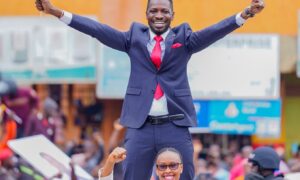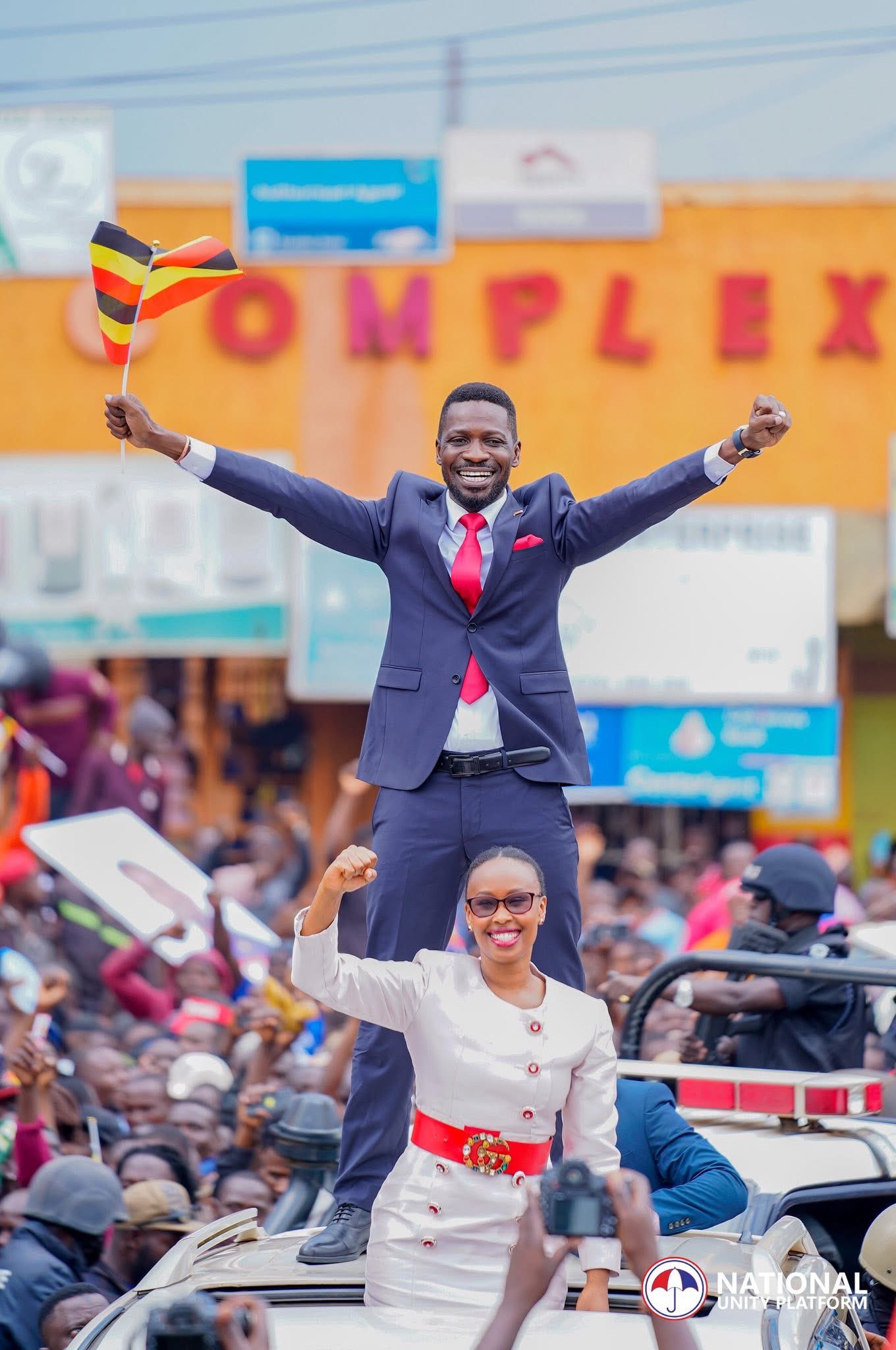
Uganda’s disputed presidential election has taken a dramatic new turn after alleged insider footage from the Electoral Commission (EC) began circulating online, claiming that opposition leader Robert Kyagulanyi Ssentamu, popularly known as Bobi Wine, won the vote by a landslide.
The video, which has gone viral across social media platforms under hashtags such as #UgVotes2026, #TruthMatters and #BobiWine, purports to show preliminary internal results indicating that Bobi Wine secured 69.76% of the vote, while long-serving President Yoweri Museveni received just 25.95%.
Supporters of the opposition say the footage, allegedly recorded by an EC official, represents the true will of Ugandan voters and contradicts the official results that handed Museveni a seventh term in office. Authorities have not verified the authenticity of the video, but its emergence has intensified an already volatile political situation.
What the Leaked Footage Shows
The footage appears to display a digital results interface resembling internal Electoral Commission tally systems. Numbers shown on screen attribute a decisive majority to Bobi Wine, far exceeding the 50% threshold required to win outright.
Opposition activists say the recording was made secretly before results were altered and released to the public. They argue it confirms long-standing claims that the election outcome was manipulated after voting ended.
“This is the proof Ugandans have been waiting for,” one opposition supporter wrote online. “The people voted for change, and the truth is finally coming out.”
However, independent analysts caution that videos circulating online can be misleading or fabricated, and stress that verification by neutral experts is essential before drawing conclusions.
Official Results Paint a Very Different Picture
The Electoral Commission officially declared Yoweri Museveni the winner of the presidential race, awarding him about 71.6% of the vote, with Bobi Wine credited with roughly 24.7%.
Museveni, who has ruled Uganda since 1986, was sworn in for another term following the announcement. His government has insisted the election was conducted in line with the law and that the results reflect the will of the people.
Bobi Wine immediately rejected the official figures, calling them “fake results” and accusing the authorities of electoral fraud. The leaked footage has since become central to his supporters’ argument that the official declaration is illegitimate.
An Election Held Under Heavy Restrictions
The vote took place amid extraordinary security measures and a nationwide internet shutdown, imposed days before polling and maintained during vote counting. The government said the blackout was necessary to prevent misinformation and maintain order.
Critics argue the shutdown severely restricted transparency, preventing journalists, election observers and citizens from sharing real-time information from polling stations and tally centres.
There were also widespread reports of:
- Malfunctioning biometric voter verification machines
- Delays in opening polling stations
- Heavy deployment of police and military forces
- Disruption of opposition campaign activities
Human rights organisations warned before the election that such conditions undermined the credibility of the process.
Violence and Intimidation Claims
In the days surrounding the election, reports emerged of clashes between security forces and opposition supporters, resulting in injuries and deaths in some areas. Opposition figures accused security agencies of using excessive force to suppress dissent.
Security officials rejected those claims, saying they acted to prevent chaos and protect lives and property.
Following the announcement of results, Bobi Wine’s residence was surrounded by security personnel. Police said this was to prevent unrest, while opposition leaders described it as an attempt to place him under house arrest.
What Ugandans Are Saying
Public reaction has been deeply divided.
Supporters of Museveni argue that:
- He remains the most experienced leader to maintain stability
- Opposition claims are aimed at destabilising the country
- Social media leaks cannot replace official procedures
“Uganda needs peace, not endless disputes,” one supporter told a local radio station.
Opposition supporters, especially young voters, say the leaked footage confirms what they suspected all along.
“We voted, we counted, and then the internet went off,” said a university student in Kampala. “Now this video explains everything.”
On social media, many Ugandans have expressed anger and frustration, while others urge calm, warning that unrest could lead to violence.
International Concern and Calls for Transparency
International observers and rights groups had already raised concerns about the electoral environment, particularly the internet shutdown, media restrictions and arrests of opposition supporters.
The emergence of alleged leaked results is likely to intensify pressure on Ugandan authorities to allow independent audits, forensic analysis of electoral systems and transparent review of tallying procedures.
Diplomatic partners face a delicate balance between maintaining relations with Uganda and responding to mounting allegations of democratic backsliding.
Why the Leak Matters
Whether authentic or not, the leaked footage highlights a deep crisis of trust in Uganda’s electoral institutions.
For many Ugandans, the issue is no longer just about who won the election, but whether votes actually count. The stark contrast between the alleged internal figures and the official outcome raises uncomfortable questions about transparency, accountability and the future of democracy in the country.
Analysts warn that ignoring these concerns could fuel long-term instability, particularly in a nation with a youthful population increasingly frustrated by unemployment, inequality and limited political space.
What Happens Next?
Opposition leaders are expected to push for legal challenges and international scrutiny, though previous court cases contesting election results have failed.
Security forces remain on high alert, and the government has warned against protests it deems unlawful.
Meanwhile, calls are growing for:
- Independent verification of the leaked footage
- Restoration of full internet access
- Protection of civil liberties
- Dialogue between political rivals
A Nation at a Defining Moment
Uganda now finds itself at a critical crossroads. The alleged EC footage has amplified doubts surrounding an already controversial election and deepened divisions between government supporters and those calling for change.
As one political commentator put it:
“This election will not be remembered only for who was declared the winner, but for whether Ugandans believe the truth was allowed to emerge.”