Introduction
In a strongly worded statement issued on October 26, 2024, the State of Qatar condemned Israel’s recent attacks on the Islamic Republic of Iran. These attacks, which reportedly included targeted strikes on air defense systems in Syria, Iraq, and Iran, as well as key ballistic missile facilities in Iran, have escalated tensions in an already volatile region. Qatar’s Ministry of Foreign Affairs called this an infringement on Iran’s sovereignty and a violation of international law. With growing concerns about the potential for wider conflict, Qatar’s statement urged restraint, dialogue, and de-escalation efforts to protect regional stability and prevent further suffering among civilians in Gaza, Lebanon, and surrounding areas.
Israel’s Three-Phase Attack on Iran
Israel’s recent military maneuvers against Iran unfolded in a structured, three-phase strategy targeting Iran’s defense capabilities. The sequence began with strikes on Syria and Iraq, followed by disabling Iran’s radar systems, and concluded with attacks on Iran’s ballistic missile facilities. Each phase was meticulously executed, intending to weaken Iran’s defense and military infrastructure. This escalation comes amid growing tension between Israel and its regional adversaries, intensifying concerns of a larger conflict.
- Phase One: Air Defense Destruction in Syria and Iraq
The first phase of Israel’s assault involved the destruction of air defense systems in Syria and Iraq. These countries, both allies of Iran, serve as critical routes for Tehran’s logistics and strategic movements. By neutralizing these defense systems, Israel gained a tactical advantage, paving a clear route for its offensive against Iranian targets without risking immediate counterstrikes. - Phase Two: Blinding Iran’s Radar Systems
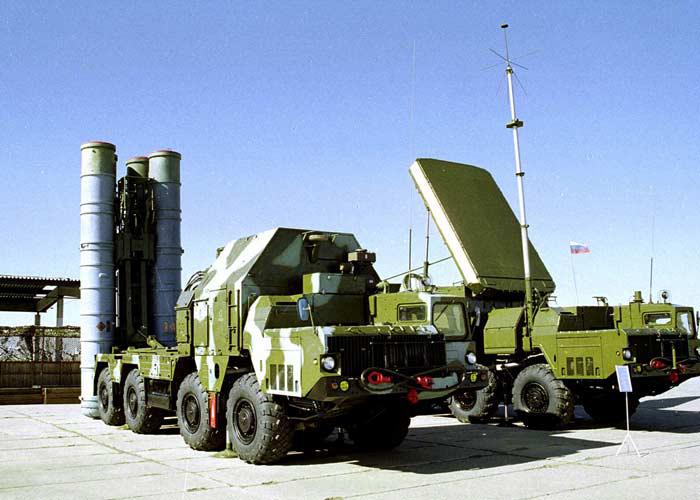
In the second phase, Israel reportedly targeted Iran’s S-400 and S-300 radar installations, effectively blinding the country’s air defense capabilities. These radar systems are crucial to Iran’s ability to detect and respond to incoming aerial threats. By disabling these installations, Israel has left Iran vulnerable to further aerial incursions, marking a significant blow to the nation’s military readiness. - Phase Three: Targeting Iran’s Ballistic Missile Facilities
The third phase of Israel’s operation involved the destruction of key ballistic missile facilities in Iran. Iran’s ballistic missile program is a cornerstone of its defense strategy and a deterrent against perceived threats. By targeting these facilities, Israel aimed to cripple Iran’s retaliatory capabilities, thus ensuring a strategic upper hand in the region. This attack on Iran’s missile infrastructure has been perceived as a direct message from Israel, signaling its willingness to act decisively to neutralize perceived threats.
Qatar’s Condemnation and Call for Restraint
In response to this escalation, Qatar’s Ministry of Foreign Affairs issued a statement denouncing Israel’s actions as a violation of Iranian sovereignty and international law. According to Qatar, these attacks threaten regional stability and could have grave repercussions for civilians across the Middle East. The Qatari government stressed the importance of diplomacy and restraint, urging all involved parties to avoid further escalation.
Qatar’s statement reflects a broader concern within the Gulf region about the destabilizing impact of the Israel-Iran confrontation. As a nation that has often played a mediating role in regional conflicts, Qatar is advocating for peaceful dialogue as the preferred means of resolving disputes. The country’s leaders called on the international community to intensify efforts to bring about de-escalation and ensure the safety of civilians in affected areas, including Gaza and Lebanon.
Implications of Israel’s Attacks on Regional Security
Israel’s recent actions have sparked fears of a wider conflict involving multiple regional players. The strikes on Iranian facilities have not only targeted military assets but have also intensified the geopolitical rift in the Middle East. Here’s a look at how these events could shape regional dynamics:
- Impact on Iran’s Defense Capabilities
The strikes have left Iran vulnerable to future attacks by disabling critical defense infrastructure. This reduction in Iran’s defense readiness could embolden its adversaries, potentially inviting further aggression. Iran may now face pressure to retaliate, risking a broader conflict that could involve additional states in the region. - Ripple Effects in Syria and Iraq
By attacking defense systems in Syria and Iraq, Israel’s strikes may draw these countries deeper into the conflict. Both nations have been embroiled in their own security challenges, and this new dimension could further strain their resources and stability. Iran’s allies in these countries may also be compelled to respond, potentially igniting a multi-front confrontation. - Increased Risks for Civilians in Gaza and Lebanon
With tensions mounting between Israel and Iran, civilians in Gaza, Lebanon, and neighboring regions are at heightened risk. Lebanon’s Hezbollah and various factions in Gaza are known allies of Iran and may come under pressure to join the confrontation. This scenario would escalate hostilities, with devastating impacts on civilians in these areas.
Global Reactions and Calls for De-escalation
Qatar’s condemnation has added to the chorus of international voices urging caution in the face of this escalation. Other nations, including several within the Gulf Cooperation Council (GCC), have expressed concerns over the growing hostilities between Israel and Iran. These countries fear that an expanded conflict could disrupt regional security and economic stability.
In particular, countries reliant on the Strait of Hormuz for oil exports are apprehensive about the potential for maritime disruptions. Any escalation in the Gulf region could lead to increased security risks for oil shipments, impacting global energy markets and economies far beyond the Middle East.
The Role of International Diplomacy
As tensions rise, there is a pressing need for robust diplomatic efforts to prevent further escalation. The United Nations and other international organizations have been urged to mediate and encourage dialogue between Israel and Iran. Many observers believe that a neutral mediator could help defuse the situation, though this will require cooperation from both sides.
Qatar’s position as a diplomatic mediator could prove instrumental in encouraging dialogue. The country has previously facilitated negotiations in regional conflicts and may be poised to play a similar role in this instance. By advocating for restraint and urging international intervention, Qatar is reinforcing its commitment to regional peace and stability.
Conclusion
Israel’s recent attacks on Iran mark a dangerous escalation in Middle Eastern hostilities, drawing in neighboring countries and heightening the risk of a broader conflict. Qatar’s condemnation highlights the gravity of the situation and underscores the need for immediate de-escalation efforts. As the international community watches closely, the call for dialogue and restraint has become more urgent than ever. Only through diplomatic engagement and peaceful negotiation can stability be restored, sparing civilians across the region from further suffering.
With the world on edge, eyes now turn to diplomatic leaders and international organizations to step in and prevent the region from descending into a prolonged conflict. As Qatar urges, a commitment to peace and de-escalation is crucial for the safety and security of the Middle East and beyond.