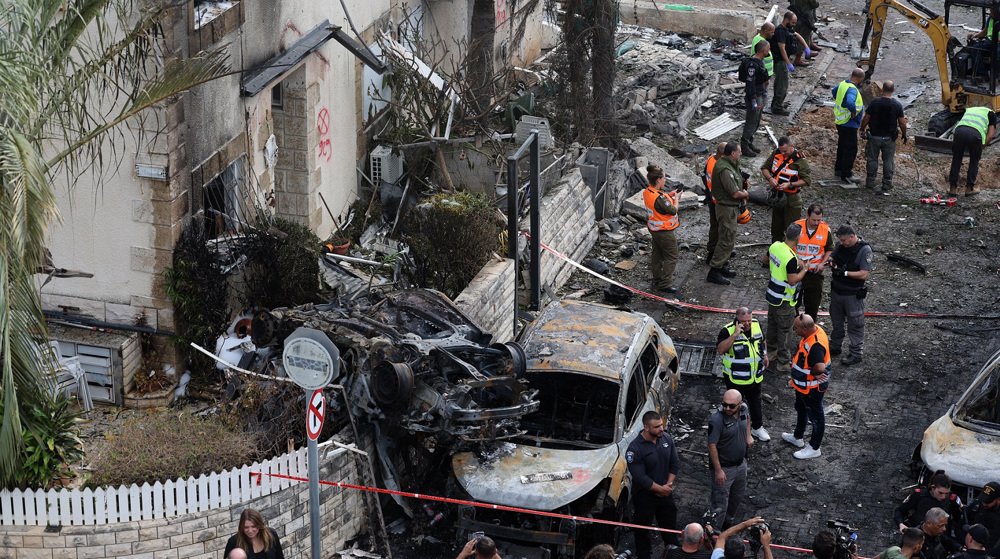
In a bold and unprecedented move, Hezbollah launched a devastating attack on the Ramat David Airbase in northern Israel using newly unveiled Fadi-1 and Fadi-2 missiles. This strike, which represents the farthest-reaching operation by the Lebanese militant group in recent history, marks a significant escalation in the ongoing conflict between Hezbollah and Israel.
Background of the Attack
The Ramat David Airbase, located southeast of Haifa, is a critical hub for the Israeli Air Force’s operations in northern Israel, providing strategic cover for operations towards Lebanon and Syria. Hezbollah’s attack on this military stronghold comes as tensions between the two sides reach boiling point, largely fueled by the ongoing Israeli operations in Gaza and southern Lebanon. The timing of the assault is particularly symbolic, occurring just days after Israeli Defense Minister Yoav Gallant visited the base to announce a “new phase” of the war(L’Orient Today)(Palestine Chronicle).
Hezbollah’s military wing confirmed that dozens of rockets were fired at the airbase as part of a retaliatory measure for Israeli strikes on Lebanese territory that had resulted in civilian casualties. This new wave of missile attacks is being seen as a clear message to Israel that Hezbollah is prepared to expand the conflict further into Israeli territory if provoked(L’Orient Today)(Palestine Chronicle).
The Fadi Missiles: What We Know
For the first time in public knowledge, Hezbollah employed the Fadi-1 and Fadi-2 missiles during this attack. The Fadi-1, a 220-mm rocket with a range of 80 kilometers, and the Fadi-2, a larger 303-mm projectile with a range of 105 kilometers, represent a significant leap in Hezbollah’s missile capabilities(Palestine Chronicle)(PressTV). Military analysts have compared the Fadi-1 to Syria’s Khaybar M220 missile and the Fadi-2 to the Syrian M302, both of which are known for their substantial destructive power(L’Orient Today)(PressTV).
According to Hezbollah, the missiles were fired from underground launch systems designed to evade Israeli airstrikes. These systems are part of Hezbollah’s extensive network of hidden weapon stockpiles, often referred to as “Imad facilities,” after a high-ranking Hezbollah commander(Palestine Chronicle). The group’s advanced technology and tactical sophistication were also on display earlier this year when it released footage from its Hudhud surveillance drone, revealing detailed intelligence on the Ramat David Airbase’s layout and operations(PressTV).
Why Ramat David?
The Ramat David Airbase has long been a key strategic target for Hezbollah due to its role in supporting Israeli air missions against Lebanon and Syria. It houses warplanes, helicopter gunships, and sophisticated electronic warfare systems. Attacking this base sends a strong message to Israel that Hezbollah has both the capability and willingness to target highly fortified military assets deep inside Israeli territory(L’Orient Today)(PressTV).
The base’s significance was further highlighted when Hezbollah revealed in a video aired in July 2024 the identity of the base’s commanding officer, Asaf Eishd, for the first time. The video, which included daytime and nighttime footage of the base, demonstrated Hezbollah’s deep knowledge of Israel’s military infrastructure and its ability to gather intelligence from behind enemy lines(PressTV).
Escalation of the Conflict
The ramifications of this attack are profound. Israeli media reported that despite their best efforts to intercept the missiles, several made impact, causing damage in and around the base. Fires broke out in the surrounding areas, including the village of Kfar Barukh, and parts of northern Israel were plunged into darkness due to power outages(Palestine Chronicle). Meanwhile, hundreds of thousands of Israelis in northern towns were forced to seek refuge in shelters as air raid sirens blared(PressTV).
In response to the attacks, Israeli military forces launched airstrikes on Hezbollah positions in southern Lebanon. However, Hezbollah’s leadership has indicated that it will continue its missile strikes if Israeli aggression against Lebanon and Gaza does not cease. Sayyed Hassan Nasrallah, the group’s Secretary-General, warned that Hezbollah is prepared to intensify its operations further if Israel escalates its military actions(PressTV).
What’s Next?
The international community is watching closely as the conflict between Hezbollah and Israel intensifies. The use of the Fadi missiles signals a new chapter in the decades-old conflict, one where Hezbollah is showing off its enhanced missile technology and its ability to strike deeper into Israeli territory than ever before. Israel, on the other hand, faces mounting pressure to defend its northern front while simultaneously carrying out its ongoing campaign in Gaza(Palestine Chronicle).
Both sides have made it clear that they are not backing down, and as the region braces for further escalation, it remains to be seen how the situation will unfold in the coming weeks. One thing is certain: the Ramat David attack has brought the war to a new, dangerous phase.
This is a developing story, and as more details emerge, the world holds its breath, fearing what may come next in this increasingly volatile conflict.