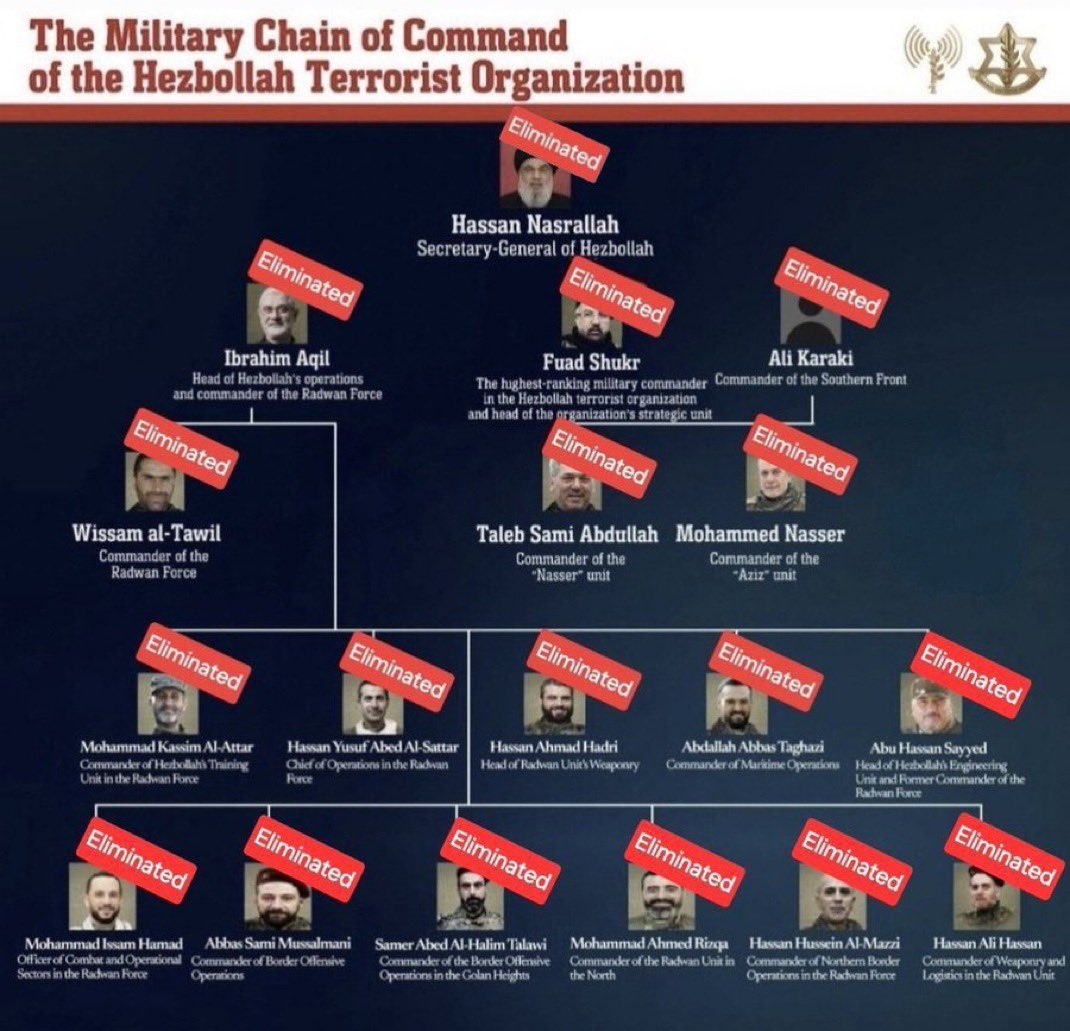
In a major escalation in the ongoing conflict between Israel and Hezbollah, Israeli forces have confirmed the death of Hezbollah leader Hassan Nasrallah. The leader of the Iran-backed militant group was reportedly killed in an Israeli airstrike targeting an underground command center in Beirut on Friday. With this strike, Israel claims to have effectively dismantled Hezbollah’s entire chain of command.
The Israel Defense Forces (IDF) took to social media, posting on X (formerly Twitter), stating, “Hassan Nasrallah will no longer be able to terrorize the world.” The strike is part of a broader Israeli campaign against Hezbollah in Lebanon, aimed at eliminating the group’s military capabilities amidst escalating tensions in the region(Newsx)(POLITICO).
The Airstrike That Shook Beirut
The airstrike targeted southern Beirut, a stronghold for Hezbollah. While reports of Nasrallah’s death have not been independently confirmed, Israeli officials have doubled down on their assertion, emphasizing that this was a significant victory against Hezbollah’s operational leadership(DW). The airstrike also reportedly resulted in the deaths of other top Hezbollah commanders, further crippling the group’s leadership.
This development comes amid heightened conflict along the Israel-Lebanon border, with Hezbollah launching multiple rocket attacks into northern Israel. In response, Israel has intensified airstrikes, targeting Hezbollah’s infrastructure in southern Lebanon and the Bekaa Valley(DW).
Who Was Hassan Nasrallah?
Hassan Nasrallah led Hezbollah for over three decades, transforming it from a militia fighting Israeli occupation in southern Lebanon to a powerful political and military organization. He succeeded Abbas al-Musawi in 1992 after the latter was killed in an Israeli airstrike. Under Nasrallah’s leadership, Hezbollah became a major force in Lebanon, heavily backed by Iran, and played a crucial role in regional conflicts, from Gaza to Syria(Newsx)(POLITICO).
Nasrallah had been a key figure in the so-called “Axis of Resistance,” aligning Hezbollah with Iran and its proxy groups across the Middle East. He was known for his staunch opposition to Israel, directing numerous rocket attacks and other military operations against Israeli forces over the years. Despite his prominent role, Nasrallah rarely made public appearances in recent years, likely out of concern for his safety amid ongoing Israeli assassination attempts(DW)(POLITICO).
The Impact of Nasrallah’s Death
Nasrallah’s death could lead to significant shifts in the region’s geopolitical landscape. Hezbollah has long been a central player in Lebanon’s politics, with its military arm stronger than the Lebanese army itself. The group’s deep ties to Iran also make this a critical moment for Tehran, which has used Hezbollah as a proxy to project power in Lebanon and beyond.
While Hezbollah has not yet issued an official statement regarding Nasrallah’s death, Israeli officials claim that with his elimination, the militant group’s leadership has been severely weakened(Newsx). However, Hezbollah’s extensive network and strong grassroots support could still pose a threat to Israel, especially in the form of retaliatory attacks.
What’s Next for Lebanon?
The airstrike has already led to a mobilization of Hezbollah forces, with rocket attacks on northern Israel intensifying. The IDF has responded by calling up reserve battalions and reinforcing its northern defenses. The possibility of a larger conflict looms, with fears that Hezbollah might escalate its operations in coordination with other Iran-backed militias in the region(DW).
The international community is watching closely as the situation develops. The UK has already advised its nationals to leave Lebanon, warning of the risk of further escalation. As tensions continue to rise, the prospect of a broader regional war seems increasingly likely(POLITICO).
Conclusion
With the death of Hassan Nasrallah, Israel has struck a significant blow against Hezbollah, but it also risks igniting a wider conflict across the Middle East. Hezbollah’s next steps, and how Iran responds, will determine whether this is the beginning of the end for the militant group or the spark for a new wave of violence.