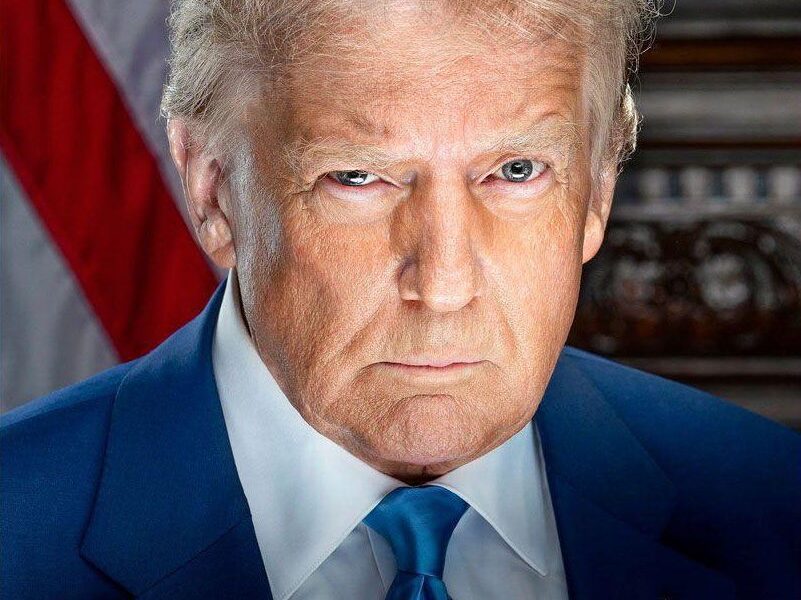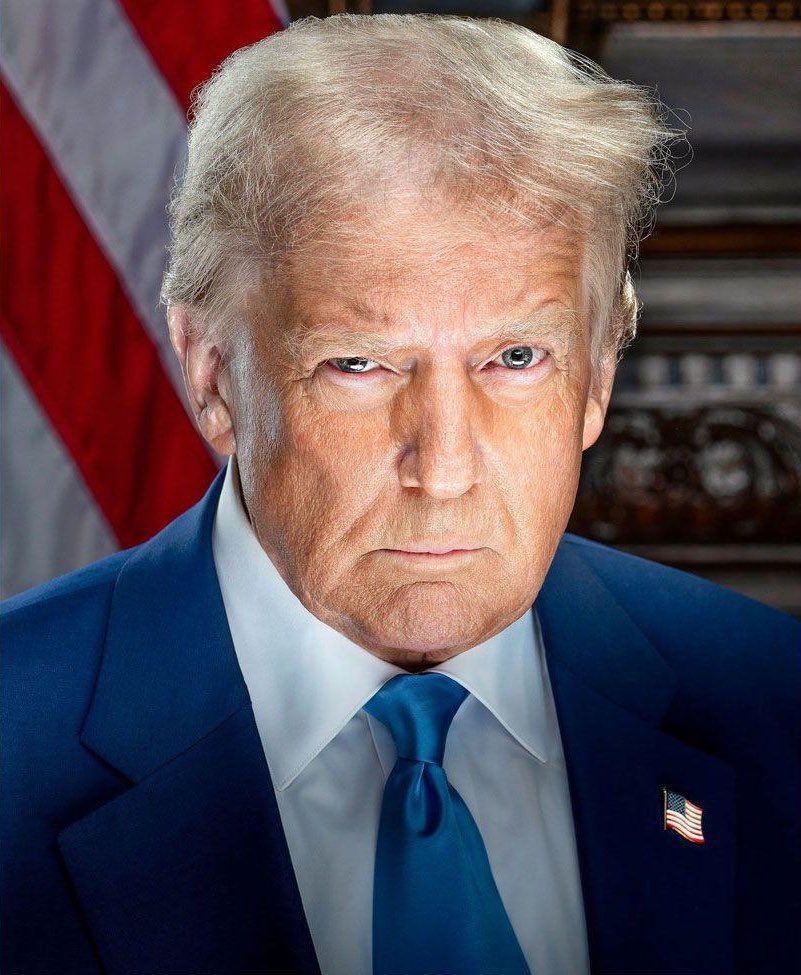
President Donald Trump announces a groundbreaking reciprocal tariff policy aimed at leveling the playing field for American workers. Discover how this could change global trade dynamics.
Introduction
In a bold and unprecedented move, President Donald Trump has unveiled a new trade policy that could fundamentally alter the landscape of international commerce. The policy, centered around the concept of reciprocal tariffs, aims to ensure that the United States is no longer at a disadvantage in global trade. This article delves into the intricacies of this policy, its potential economic implications, and the reactions it has sparked among experts and the public alike.
Understanding Reciprocal Tariffs
At its core, the concept of reciprocal tariffs is straightforward: whatever tariffs a country imposes on U.S. goods, the United States will impose an equivalent tariff on that country’s goods. This approach seeks to create a level playing field, ensuring that American businesses are not unfairly penalized in international markets.
President Trump emphasized that this policy is not just about tariffs but also addresses other trade barriers, such as Value-Added Tax (VAT) systems and non-monetary trade barriers. These measures, he argues, have been used by other countries to disadvantage American businesses and workers.
The Rationale Behind the Policy
The United States has long been a major player in global trade, often running trade deficits with other nations. President Trump has consistently criticized these imbalances, arguing that they harm American workers and industries. The reciprocal tariff policy is designed to rectify these imbalances by ensuring that other countries cannot impose higher tariffs on U.S. goods than the U.S. imposes on theirs.
Moreover, the policy takes into account non-tariff barriers, such as subsidies and regulatory hurdles, that can distort trade. By addressing these issues, the administration hopes to create a more equitable trading environment.
Potential Economic Implications
The introduction of reciprocal tariffs could have far-reaching economic implications. Proponents argue that it will protect American jobs and industries by making foreign goods more expensive and thus less competitive in the U.S. market. This, in turn, could boost domestic production and employment.
However, critics warn that such a policy could lead to trade wars, with other countries retaliating by imposing their own tariffs on U.S. goods. This could result in higher prices for consumers and disruptions in global supply chains. Additionally, there are concerns about the impact on international relations, as trade is often a key component of diplomatic ties.
Reactions from Experts and the Public
The announcement has sparked a heated debate among economists, policymakers, and the general public. Some experts have praised the move as a necessary step to protect American interests, while others have criticized it as potentially destabilizing.
On social media, reactions have been mixed. Supporters of President Trump have lauded the policy as a bold and necessary measure, while critics have expressed concerns about its potential consequences. The tweet from Hashim Mteuzi, PMP, highlights a common misconception about tariffs, emphasizing that they are taxes paid by U.S. businesses on imported goods, not charges levied on other countries.
Historical Context
The concept of reciprocal tariffs is not entirely new. Historically, countries have used tariffs as a tool to protect domestic industries and regulate trade. However, the scale and scope of President Trump’s policy are unprecedented in modern times. This move marks a significant shift from the free trade policies that have dominated global commerce in recent decades.
The Role of International Tax Systems
One of the key aspects of the new policy is its treatment of international tax systems, particularly VAT. President Trump has argued that VAT systems are more punitive than tariffs and should be treated similarly. This perspective challenges traditional views on international trade and taxation, potentially leading to significant changes in how trade agreements are negotiated and implemented.
Conclusion
President Donald Trump’s announcement of a reciprocal tariff policy represents a significant shift in U.S. trade policy. While the move has been met with both support and criticism, its potential to reshape global trade dynamics cannot be ignored. As the policy is implemented, its impact on the economy, international relations, and global markets will be closely watched.
In the coming months, it will be crucial to monitor how other countries respond to this policy and whether it leads to the desired outcomes of fairness and prosperity for American workers. Regardless of the outcome, this bold move by the Trump administration is sure to be a defining moment in the history of international trade.
FAQs
- What are reciprocal tariffs?
Reciprocal tariffs are tariffs that a country imposes on another country’s goods equivalent to the tariffs that country imposes on its goods. - How will reciprocal tariffs affect U.S. businesses?
The policy aims to protect U.S. businesses by making foreign goods more expensive, potentially boosting domestic production and employment. - What are the potential risks of reciprocal tariffs?
Critics warn that the policy could lead to trade wars, higher consumer prices, and disruptions in global supply chains. - How does the policy address non-tariff barriers?
The policy includes provisions for addressing non-monetary trade barriers, such as subsidies and regulatory hurdles, that can distort trade. - What has been the reaction to the policy?
Reactions have been mixed, with some praising the move as necessary and others expressing concerns about its potential consequences.