Kenya’s long-standing dream of transforming its sports infrastructure took a significant leap forward today after Defence Cabinet Secretary (CS) Soipan Tuya presided over the groundbreaking ceremony of the long-awaited 10,000-seater Moi Kisumu Stadium in Kisumu County. The milestone event signals renewed momentum in the national government’s commitment to modernise sporting facilities, empower youth, and position sports as a central pillar of socio-economic development.
The ceremony brought together top national and county leaders, including Kisumu Governor Prof. Peter Anyang’ Nyong’o, senior officials from the Ministry of Defence (MoD), Sports Kenya, and regional and continental leaders, underscoring the importance of the project not just to Kisumu County, but to the entire country and the wider East African region.
A Landmark Project in Kenya’s Sports Transformation Agenda
The Moi Kisumu Stadium project forms part of the government’s broader strategy to invest heavily in world-class sports infrastructure across the country. The initiative aligns with President William Ruto’s development blueprint, which identifies sports as a powerful tool for youth empowerment, talent development, national unity, and economic growth.
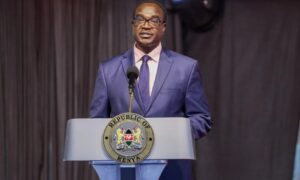
Speaking at the ceremony, CS Soipan Tuya emphasised that the stadium is not just a construction project but a legacy investment for future generations.
“This stadium will be built to the highest standards, on budget, and within the agreed timelines. It is a facility that will serve our youth, our athletes, and our nation for decades to come,” Tuya said.
She reaffirmed the Ministry of Defence’s unwavering commitment to ensuring that the project is executed professionally, leveraging the technical expertise of the Kenya Defence Forces (KDF) as directed by the President in his capacity as Commander-in-Chief.
State-of-the-Art Facilities to Meet Global Standards
Once completed, the modern Moi Kisumu Stadium will be a fully-fledged international sports facility capable of hosting high-profile local, regional, and global competitions.
Key features of the stadium include:
- Roofed Western, Eastern, Northern, and Southern pavilions, ensuring spectator comfort regardless of weather conditions
- A football pitch constructed to FIFA and CAF standards, making it eligible to host continental and international matches
- An eight-lane athletics running track with a tartan finish, compliant with **World Athletics standards
- Supporting mechanical, electrical, and civil works
- Secure perimeter fencing and adequate parking facilities to meet international safety and logistical requirements
These features are expected to elevate Kisumu into a competitive destination for athletics and football events, significantly enhancing Kenya’s sports hosting capacity.
Defence Ministry’s Growing Role in Civilian Infrastructure
The Moi Kisumu Stadium is one of several high-impact civilian projects being implemented with technical support from the Ministry of Defence. CS Tuya highlighted that the involvement of the MoD and KDF reflects a deliberate government policy to harness military engineering expertise in national development projects.
“This is part of a wider directive from His Excellency the President for the Defence Forces to support strategic national infrastructure,” Tuya noted.
Beyond the stadium, the CS revealed ongoing collaboration between the MoD and Kisumu County on maritime and blue economy initiatives, particularly through Kenya Shipyards Limited. She disclosed that:
- Six boats have already been constructed and handed over
- Five landing sites are planned, with two completed and three currently under construction
These projects are aimed at boosting fishing, transport, and livelihoods around Lake Victoria, further cementing Kisumu’s role as a key economic hub.
Kisumu County’s Strategic Win
Kisumu Governor Peter Anyang’ Nyong’o lauded the groundbreaking ceremony as a major victory for the county and a testament to what sustained intergovernmental cooperation can achieve.
“This project represents the fruits of tireless diplomacy and engagement. We appreciate the President and the Ministry of Defence for honouring this bid and standing with Kisumu,” the governor said.
Prof. Nyong’o reaffirmed the county government’s full support throughout the construction period, pledging seamless cooperation with national agencies to ensure the project’s success.
Reviving a Stadium Steeped in Sporting History
The governor also reflected on the historical significance of Moi Kisumu Stadium, describing it as the “cradle of sporting legends.” Over the years, the stadium has produced and hosted some of Kenya’s finest talents, including renowned footballer Peter Dawo, whose legacy remains etched in the region’s sporting folklore.
Revamping the stadium, Nyong’o noted, is not merely about infrastructure but about reclaiming Kisumu’s rightful place in Kenya’s sports narrative.
“This stadium carries memories, pride, and potential. Modernising it is about honouring our past while investing in our future,” he said.
Economic Boost and Job Creation for Western Kenya
Beyond sports, the Moi Kisumu Stadium project is expected to deliver far-reaching economic benefits to Kisumu County and the wider Western Kenya region.
During the construction phase, the project will:
- Create direct and indirect employment opportunities for local residents
- Stimulate demand for goods and services from local suppliers and contractors
- Inject capital into the local economy, benefiting small and medium-sized enterprises
Upon completion, the stadium is projected to:
- Attract major sporting events and training camps
- Boost sports tourism, hospitality, and related sectors
- Enhance Kisumu’s profile as a regional athletics and football hub
These economic ripple effects align with the government’s broader goal of using sports as a catalyst for inclusive growth and urban renewal.
Kenya’s Rising Diplomatic and Regional Profile
During his address, Governor Nyong’o also highlighted Kenya’s growing stature on the continental stage. He praised President Ruto for designating Nairobi as the regional office for United Cities and Local Governments of Africa (UCLG-A) in East Africa, a move that elevates Kenya into an elite group of only five African countries hosting such offices.
“This recognition cements Kenya’s diplomatic standing and reinforces our leadership role in regional governance and development,” Nyong’o remarked.
The presence of high-profile continental leaders at the ceremony further underscored Kisumu’s rising prominence.
High-Profile Leaders Grace the Ceremony
The groundbreaking event attracted a distinguished lineup of leaders and officials, reflecting the project’s national and regional importance. Among those present were:
- Kisumu Deputy Governor Dr. Mathew Ochieng Owili
- Sports Kenya Director General Gabriel Komora, representing the Principal Secretary for Sports
- Former Ekiti State Governor and First President of the Forum of African Regions (FORAF), Dr. John Kayode Fayemi
- Secretary General of United Cities and Local Governments of Africa (UCLG-A), Amb. Elong Mbassi
- Area MCA Hon. Odhiambo Carren
- Members of the Kisumu County Assembly
- Kisumu County Commissioner Benson Leparmorijo
Their presence highlighted the project’s alignment with broader regional development and governance goals.
Government Assures Timely and Quality Delivery
As expectations rise, CS Tuya assured residents and stakeholders that the government will closely monitor the project to ensure quality, transparency, and timely completion.
She revealed that MoD technical teams will conduct regular site visits to track progress, address challenges early, and maintain adherence to international construction standards.
“We are committed to delivering a stadium that meets global benchmarks and serves the needs of our athletes and communities,” Tuya said.
A New Era for Sports in Kisumu and Beyond
The groundbreaking of the 10,000-seater Moi Kisumu Stadium marks more than the start of construction—it signals a new chapter for sports development in Kenya. By blending national government support, county collaboration, and military technical expertise, the project stands as a model for future infrastructure initiatives.
For Kisumu, the stadium promises renewed pride, economic opportunity, and a powerful platform for nurturing the next generation of sporting heroes. For Kenya, it reinforces the country’s ambition to compete, host, and shine on the global sports stage.
As construction begins, all eyes will now be on the delivery timeline—and the promise that this long-awaited dream will soon become a reality.