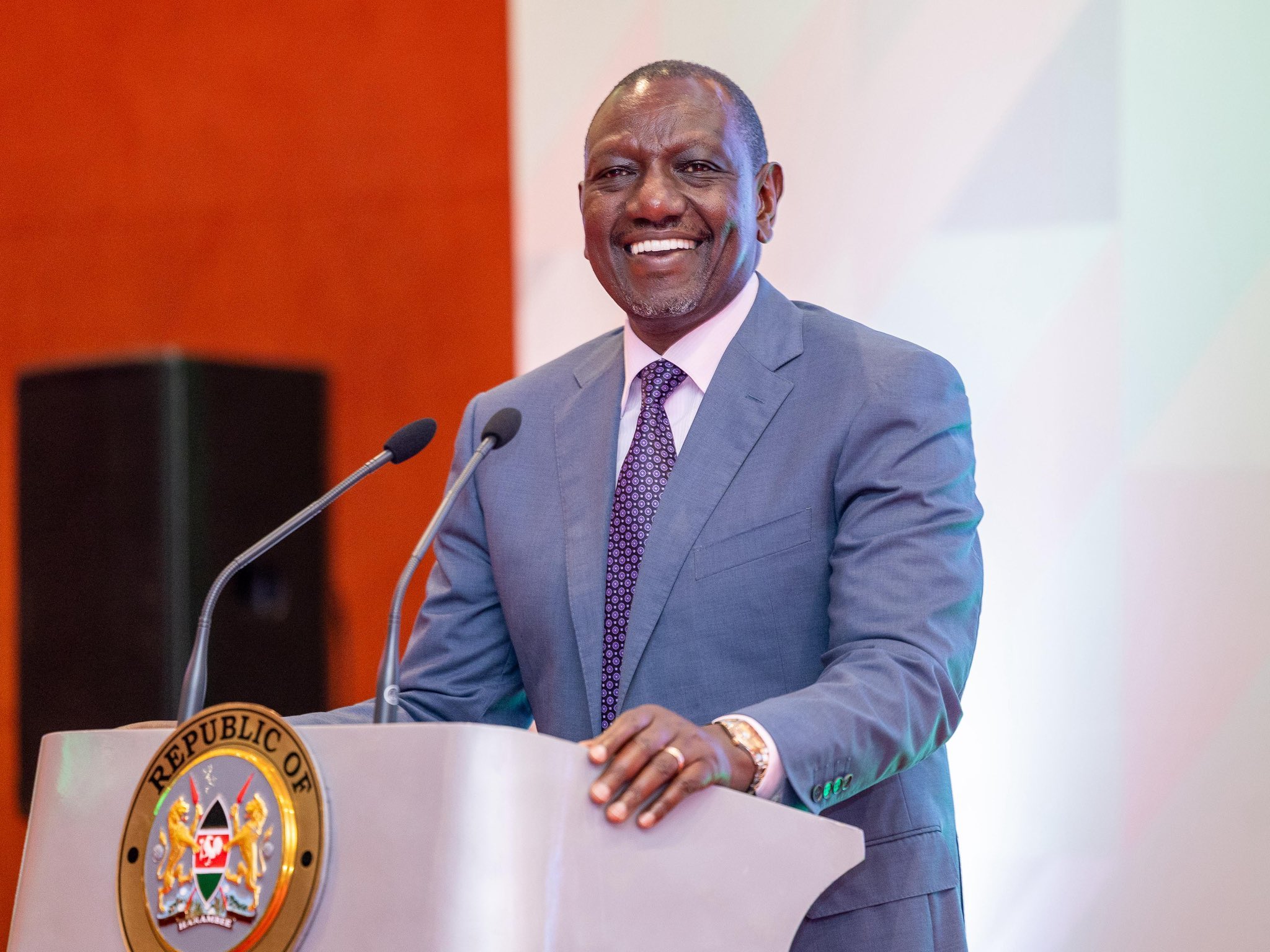
NAIROBI, Kenya – President William Samoei Ruto has announced a groundbreaking State intervention that will see victims of demonstrations and public protests receive financial compensation. In a rare Presidential Proclamation issued from the Executive Office of the President, the Head of State outlined a 120-day framework to identify, verify, and compensate individuals affected by violent protests and riots in Kenya since 2017.
The bold initiative, which has been described by analysts as one of the most significant steps in Kenya’s recent human rights history, will not only cover ordinary civilians but also members of the security forces who lost their lives or suffered injuries while managing protests.
A Balancing Act Between Freedom and Responsibility
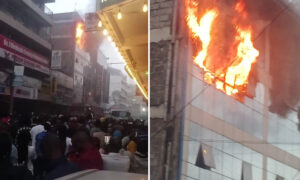
The proclamation begins by acknowledging Kenya’s constitutional freedoms as enshrined in the Bill of Rights, particularly the right to assemble, demonstrate, and picket. Since the promulgation of the 2010 Constitution, Kenyans have enjoyed greater democratic space, enabling them to express dissent through peaceful protests. However, the President noted that some demonstrations have escalated into violent confrontations, causing deaths, serious injuries, and destruction of property.
“While the Constitution guarantees the right to protest, it also imposes a duty on all citizens to act responsibly,” the statement reads. “The State has a corresponding obligation to safeguard both public safety and individual freedoms.”
The government’s new compensation plan seeks to strike a delicate balance — protecting constitutional freedoms while addressing the suffering endured by victims of protest-related violence.
Compensation Framework: Who Will Benefit
The framework targets two main groups:
- Civilians – Individuals who lost their lives or sustained injuries during public protests or riots since 2017.
- Security Personnel – Police officers, prison wardens, and other enforcement agents injured or killed while responding to demonstrations.
While the proclamation does not provide specific compensation figures, sources close to the Executive Office of the President hint that the package could run into billions of shillings once claims are processed.
Legal experts say this marks a precedent-setting move, especially because it covers both sides of the protest divide — protesters and law enforcers — in equal measure.
Prof. Makau Mutua to Lead the Initiative
In the same proclamation, President Ruto appointed Prof. Makau Mutua, Senior Advisor on Constitutional Affairs and Human Rights, as the Principal Coordinator of the initiative. Mutua, a renowned constitutional scholar and human rights advocate, will oversee the identification of victims, documentation of claims, and coordination between government agencies.
The Executive Office of the President will work closely with the Office of the Attorney General, the Ministry of Interior and National Administration, The National Treasury, and other relevant state bodies to implement the framework within the 120-day timeline.
According to State House sources, the process will involve:
- Public notices inviting victims or their families to submit claims.
- Verification of claims through documented evidence such as hospital records, death certificates, police reports, and witness statements.
- Assessment of the severity of harm or loss suffered.
- Determination of compensation amounts and disbursement.
Historical Context: Protests Since 2017
Kenya has witnessed a series of high-profile demonstrations over the past eight years, many of which have turned violent. These include political protests during the 2017 and 2022 election cycles, as well as more recent demonstrations over the cost of living, governance issues, and tax policies.
Several human rights organizations, including Amnesty International Kenya and the Kenya National Commission on Human Rights (KNCHR), have documented cases where protesters were allegedly shot, beaten, or unlawfully detained. On the other hand, police have reported instances where officers were attacked, injured, or even killed by violent mobs.
The new framework appears to be the government’s acknowledgment of these long-standing grievances. It also signals a shift from reactive policing to a more restorative justice approach.
Reactions from the Public and Experts
The announcement has sparked mixed reactions.
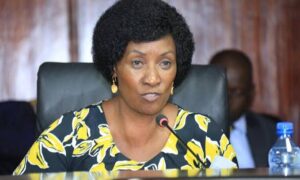
Human rights defenders have welcomed the move, calling it “a step toward healing national wounds.” KNCHR Chairperson Roseline Odede said, “For years, victims and their families have cried out for justice. This initiative, if implemented transparently, could restore faith in State institutions.”
However, some political analysts remain skeptical about the execution. Lawyer and governance expert Bobby Mkangi noted, “Compensation is good, but without institutional reforms in policing and crowd control, we may find ourselves compensating new victims every year.”
On the political front, the opposition has cautiously praised the plan but warned against selective implementation. A senior Azimio la Umoja legislator remarked, “We will be watching closely to ensure that the families of those killed in anti-government protests are not sidelined in favor of victims from government-friendly demonstrations.”
Timeline and Next Steps
The Presidential Proclamation gives the special coordination team 120 days to conclude the process. This means that by December 2025, the first batch of victims could receive their compensation.
In the coming weeks, the Executive Office of the President is expected to release a detailed public notice outlining:
- Eligibility criteria for claimants.
- Where and how to submit claims.
- Documents required for verification.
- The appeals process for rejected claims.
If implemented fully, Kenya will join a small group of countries that have formally compensated victims of protest-related violence, positioning itself as a leader in restorative justice within Africa.
Potential Political and Economic Implications
Economists caution that while the compensation plan is noble, it will place an additional burden on the national budget. With Treasury already facing a tight fiscal space, questions remain about how the government will fund potentially large payouts without affecting other development programs.
Politically, the initiative could bolster President Ruto’s image as a unifying leader ahead of the 2027 general elections. By acknowledging the suffering on both sides of the protest divide, he may appeal to a broader segment of the electorate.
However, failure to deliver within the promised timeframe or perceived bias in payouts could backfire, fueling further mistrust and resentment.
Conclusion
President Ruto’s announcement marks an unprecedented commitment to address the human cost of Kenya’s volatile protest history. Whether the initiative succeeds will depend on transparent implementation, adequate funding, and political goodwill across the board.
For now, victims and their families — some who have waited for justice for years — can cautiously hope that this time, the government will turn words into action.