By WILBERFORCE, k47 digital news
14 July 2025, Nairobi
The death of Juliet Wangai Kariuki, a protester arrested during Kenya’s Saba Saba demonstrations, has sparked outrage amid allegations of police brutality. The National Police Service (NPS) has denied wrongdoing, but activists and eyewitnesses claim she was beaten in custody before her mysterious death.
The NPS confirmed Kariuki was among 126 protesters arrested in Nanyuki Town on 8th July 2025 and charged with malicious damage to property. While police insist she was remanded in good health, her family says she returned badly injured—only to die days later.
A Life Cut Short: Who Was Juliet Kariuki?
Juliet Kariuki, 32, was a grassroots activist known for campaigning against police brutality and government corruption. Friends describe her as a fearless advocate for justice, regularly organizing community protests.
“She wasn’t just a protester—she was a daughter, a sister, and a voice for the voiceless,” said Margaret Wambui, a fellow activist. “Now she’s dead after police took her away. We demand answers.”
Contradictory Accounts: Police vs. Witnesses
While the NPS claims Kariuki was healthy when arraigned, multiple witnesses say she was severely assaulted during arrest.
- “They kicked her, dragged her, and laughed,” claimed Peter Mwangi, who filmed part of the arrest.
- “She could barely walk in court,” said a court clerk who asked to remain anonymous.
- Her family says she was denied medical care in prison and died from internal injuries.
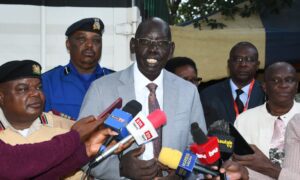
Despite these claims, the NPS insists no formal complaints were filed and promises a “swift, transparent” investigation.
Growing Anger: Protests Erupt in Nanyuki
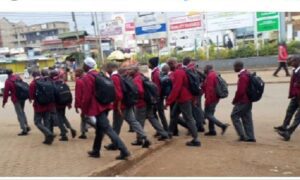
News of Kariuki’s death has triggered fresh demonstrations, with crowds chanting “Justice for Juliet!” outside Nanyuki Police Station. Riot officers fired tear gas to disperse the crowd, escalating tensions.
Human rights groups, including Amnesty International Kenya, are demanding:
✔ An independent autopsy
✔ Release of all arrest footage
✔ Suspension of officers involved
“This is another extrajudicial killing,” said Hellen Njeri, a rights lawyer. “Police think they can arrest, torture, and kill without consequences. We won’t let this go.”
What Happens Next?
The Independent Policing Oversight Authority (IPOA) has opened a probe, but past cases raise doubts. Less than 3% of police brutality complaints in Kenya lead to convictions.
Kariuki’s family vows to fight for justice. “We’ll go to court, to the UN—anywhere it takes,” said her brother, David Kariuki.
Conclusion: A Test for Kenya’s Justice System
Juliet Kariuki’s death has become a lightning rod for anger over police impunity. As pressure mounts, the government faces a critical choice: accountability or another cover-up?
For now, her grieving family waits—while protesters promise “Saba Saba will not be forgotten.”
Follow k47 digital news for updates on this developing story.