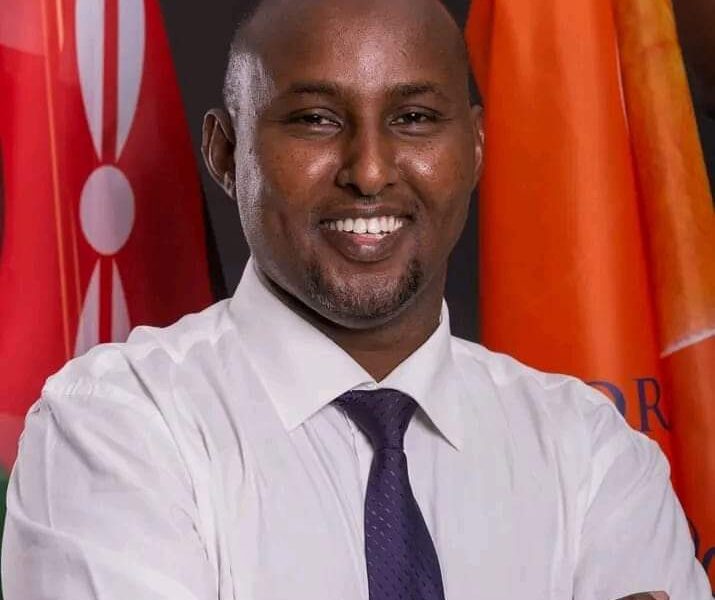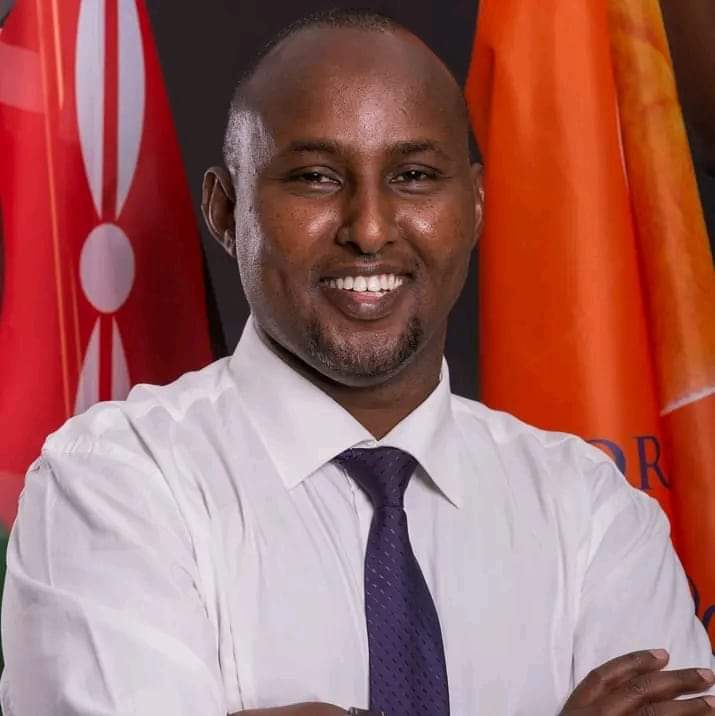
NAIROBI, Kenya – In a time marked by significant reforms within Kenya’s government, spearheaded by President William Ruto, rumors have surfaced suggesting that Hon. Junet Mohamed, the Minority Party Leader in the National Assembly, might be tapped for the Cabinet position of Cabinet Secretary for Internal Security and National Administration. However, Junet Mohamed has firmly addressed these claims, putting speculation to rest with a clarifying press release issued today.
As Kenya’s political landscape continues to shift, Hon. Junet Mohamed, a notable figure within the ODM (Orange Democratic Movement) Party, emphasized his commitment to his current role in Parliament, clarifying that he is not in pursuit of a Cabinet position. His statement arrives amid a broader government restructuring process led by President Ruto, who seeks to align his administration with the needs and expectations of Kenyan citizens by prioritizing national inclusion, service delivery, governance, democracy, and stability.
In today’s statement, Junet Mohamed addressed the rumors that have been swirling within political circles. “Whereas an opportunity to serve fellow Kenyans in any capacity is always welcome,” he wrote, “I wish to inform the public that I am neither one of the people angling for the job nor has the ODM Party shown any interest in seeking to have another party expert join the government in that capacity.”
A Firm Stand from the Minority Party Leader
Junet Mohamed’s clarification comes as Kenya undergoes notable reforms aimed at national inclusivity and accountability, which President Ruto has championed since taking office. Yet, despite ongoing adjustments, some political players, especially within opposition circles, have shown concern about the Cabinet reshuffle and the potential implications for governance.
Mohamed’s statement on Friday, however, decisively refuted these speculations. “In any case, I have just recently assumed the leadership of the Minority Party in the National Assembly, which is an equally very important constitutional office in our governance architecture,” he asserted. This clear declaration not only signals Mohamed’s commitment to his current position but also underscores his recognition of the crucial role that opposition leadership plays within Kenya’s democratic framework.
A Broader Look at President Ruto’s Government Reforms
Since his election, President Ruto has expressed a strong desire to shape a government that is reflective of Kenya’s diverse political, social, and cultural fabric. Key to this mission has been ensuring that appointments within the government reflect the country’s commitment to inclusivity, democracy, and stability. Ruto’s administration has, thus far, been involved in a series of strategic reforms and appointments meant to streamline service delivery and enhance governance.
According to political analysts, President Ruto’s restructuring initiative aims to reinforce public trust in the government by creating a more accessible and responsive administration. At the core of his reforms is the goal of establishing a government that is truly representative of the people it serves, with appointments that cut across various regions and political affiliations in Kenya.
This drive for inclusion has spurred rumors of cross-party appointments, with claims that opposition leaders, such as Junet Mohamed, might be co-opted into Cabinet roles as part of Ruto’s broader agenda to foster unity. However, the ODM Party has shown no indications of endorsing a Cabinet position for Mohamed or any other senior opposition leader within Ruto’s government.
Political Implications of Junet Mohamed’s Statement
Junet Mohamed’s swift response highlights a critical aspect of Kenya’s political dynamics – the need for clear communication to mitigate potential misunderstandings among the public. In an era of rapid information dissemination, rumors often take on lives of their own, leading to confusion and misinterpretation.
Mohamed’s statement serves as a reminder of the importance of maintaining a transparent dialogue with the public, particularly on matters involving high-ranking political figures. By addressing the rumors head-on, Mohamed not only reinforces his dedication to his role in the National Assembly but also strengthens his position as a prominent voice within the opposition, responsible for holding the government accountable and championing the interests of Kenyans who align with the ODM Party’s platform.
What This Means for Kenya’s Opposition Landscape
The role of the opposition in a democratic government is crucial, providing checks and balances that hold ruling parties accountable for their actions. Junet Mohamed’s refusal to consider a Cabinet position reinforces the independence of the ODM Party and its commitment to fulfilling its mandate as the opposition party.
As the leader of the Minority Party in the National Assembly, Mohamed holds a significant role in Kenya’s legislative landscape, where he is responsible for representing alternative viewpoints and ensuring the government remains answerable to its constituents. This position is pivotal, especially as President Ruto advances with reforms aimed at reshaping the government to deliver on the public’s priorities.
The ODM Party, under Mohamed’s leadership in the Assembly, will likely continue to push back against any policies it deems contrary to public interest, preserving its role as a critical counterbalance in Kenya’s governance framework. The opposition’s decision to refrain from participating in the Cabinet signifies its stance on retaining an independent perspective rather than becoming entwined with the current administration’s inner workings.
Looking Ahead: Kenya’s Political Climate
Junet Mohamed’s press release not only dispels rumors but also offers insight into the larger picture of Kenya’s political climate. As Ruto’s government embarks on transformative changes, the ODM and other opposition parties will likely maintain their independent stance while continuing to advocate for policies that benefit their constituents.
This clarification by Mohamed may also encourage other political figures within opposition parties to address similar rumors directly, ensuring that the public remains informed and avoiding misunderstandings about opposition figures’ roles within the government.
In closing, Mohamed expressed hope that this clarification will allow the nation to “focus on more important concerns,” redirecting attention to matters affecting Kenyans more directly. His statement today underlines the need for political leaders to remain focused on national issues of consequence, while quelling speculation that could detract from pressing matters at hand.
Key Takeaways
- Junet Mohamed denies interest in Cabinet role: Dispelling rumors, he has clarified that neither he nor the ODM Party seeks involvement in the Cabinet position for Internal Security and National Administration.
- Focus on the Minority Leader role: Mohamed remains committed to his position as the Minority Leader, emphasizing its critical role in Kenya’s governance structure.
- President Ruto’s reforms continue: The administration is moving forward with changes aimed at inclusivity, which some interpret as a push for cross-party Cabinet involvement.
- Opposition’s independent stance: The ODM’s decision not to endorse a Cabinet position showcases its commitment to providing a robust alternative to the ruling party.
This statement from Junet Mohamed likely sets the tone for Kenya’s political discourse, highlighting the need for clarity and transparency in communications, especially as President Ruto’s government continues with its restructuring efforts. Whether this will quell speculation or generate further dialogue remains to be seen, but for now, Mohamed’s message is clear: his priority remains serving as a voice for Kenya’s minority party in Parliament, holding the government accountable and focusing on the nation’s pressing issues.