Date: August 8, 2024
The streets of Kenya are once again the stage for mass protests, as citizens, particularly the youth, take to the streets to voice their discontent with the government. These demonstrations are part of a larger movement that has been ongoing since mid-June, primarily fueled by frustrations over economic hardships, perceived government corruption, and the controversial Finance Bill 2024. The situation is dynamic, with real-time updates flooding social media platforms, showcasing the scale, intensity, and resilience of the protests.
Background and Context
Kenya has been embroiled in political and economic turmoil for several months, with widespread dissatisfaction directed at President William Ruto’s administration. The introduction of the Finance Bill 2024, which proposed various tax hikes and austerity measures, was the catalyst for the initial wave of protests. Despite the government’s decision to withdraw the bill in response to public outcry, the protests have continued, evolving into a broader movement demanding systemic changes and, increasingly, the resignation of President Ruto.
The protests have been dubbed by the youth as the #OccupyEverywhere movement, a name that reflects their intent to make their presence felt across all regions of the country. Demonstrations have been reported in major cities such as Nairobi, Mombasa, Kisumu, and Eldoret, among others. The youth, particularly those from Generation Z, have been at the forefront, organizing through social media and other digital platforms, despite threats of internet shutdowns by the government.
Real-Time Developments
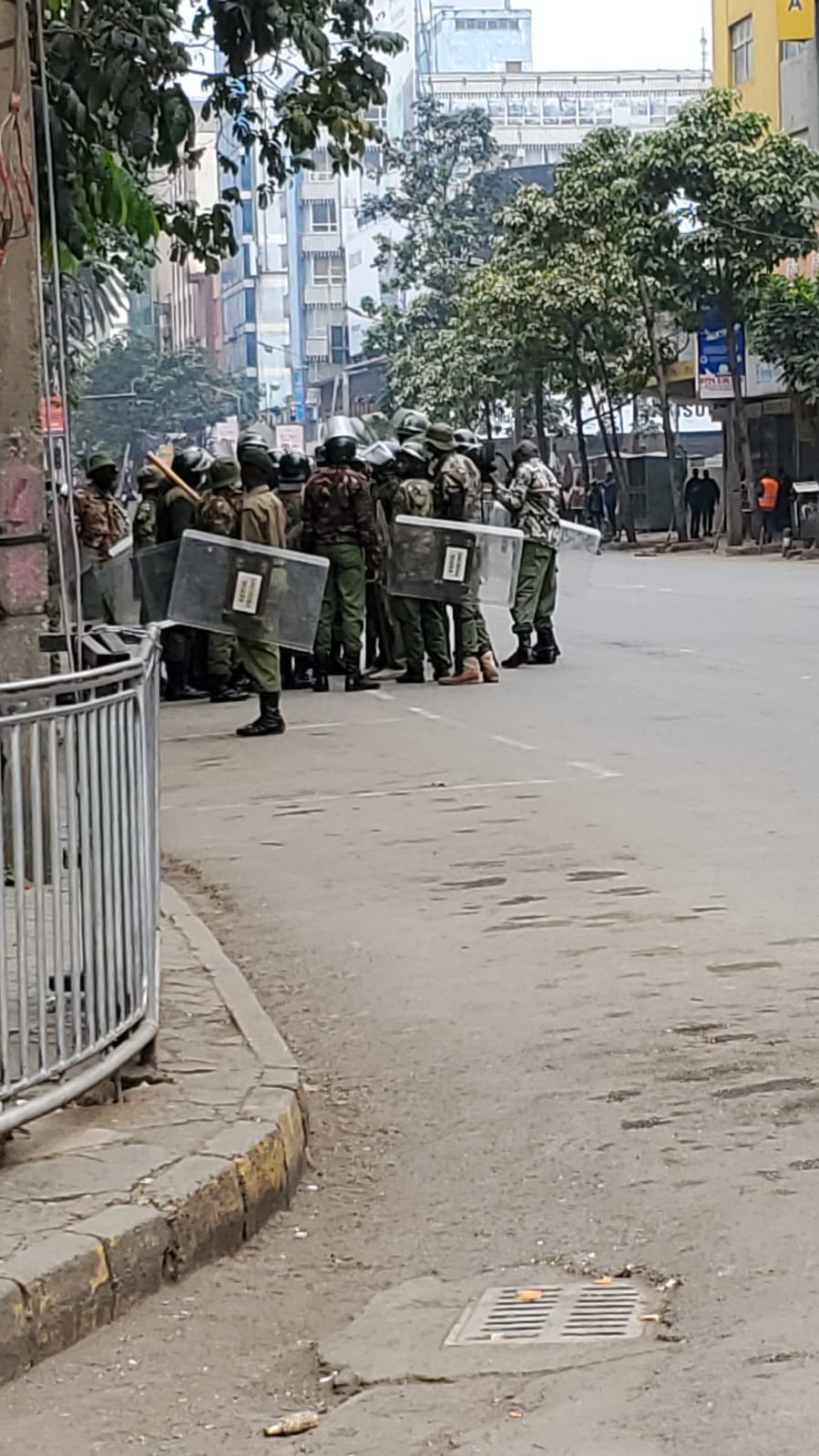
As of August 8, the protests have intensified, particularly in Nairobi, where thousands of demonstrators have converged in the Central Business District (CBD). Reports from social media platforms like X (formerly Twitter), Facebook, and Instagram indicate that the protesters have managed to shut down major roads, paralyzing traffic in several key areas. Videos circulating online show large crowds chanting anti-government slogans, holding up placards with messages such as “Ruto Must Go” and “We Deserve Better.”
In Mombasa, protests have also gathered momentum, with demonstrators blocking the Likoni Ferry, a critical transport link, causing significant disruptions. Local media outlets have reported clashes between protesters and police, with tear gas being used to disperse crowds. The situation remains tense, with fears of further escalation as the day progresses.
Kisumu, a city known for its historical opposition to the central government, has also seen large-scale protests. Demonstrators here have targeted government buildings, with some reports of minor vandalism. The police have responded with a heavy hand, using water cannons and tear gas to disperse the crowds. However, the protesters remain defiant, with many regrouping after being initially dispersed.
Government Response
The Kenyan government has maintained a strong stance against the protests. President Ruto, while acknowledging the grievances of the demonstrators, has repeatedly called for calm and urged protesters to engage in dialogue rather than take to the streets. Despite these calls, the government has deployed a heavy security presence in all major cities, particularly in Nairobi, where the situation is most volatile.
The police have set up checkpoints along major roads leading into the CBD, and there are reports of arbitrary arrests of suspected protest organizers. Human rights organizations have condemned these actions, accusing the government of using excessive force and suppressing the right to peaceful assembly.
In a bid to control the flow of information, there are concerns that the government may resort to internet shutdowns, a tactic that has been used in previous protests. Digital rights organizations have warned against such measures, highlighting the critical role that the internet plays in ensuring the safety of protesters and allowing for real-time reporting of events on the ground.
Social Media’s Role
Social media has played a pivotal role in the ongoing protests, serving both as a tool for organization and as a platform for real-time reporting. Hashtags such as #OccupyEverywhere, #RutoMustGo, and #KenyaProtests have been trending across platforms, with thousands of users sharing updates, videos, and photos from the ground.
On X, users have been live-tweeting the events as they unfold, providing minute-by-minute updates on the situation in different parts of the country. Videos of police using tear gas on protesters in Nairobi’s CBD have gone viral, sparking outrage and calls for accountability. In Mombasa, a live video stream on Facebook captured the moment protesters blocked the Likoni Ferry, a scene that quickly spread across social media.
Instagram has also been flooded with images and videos from the protests, with users sharing stories of their experiences on the ground. The platform has become a space for both documenting the protests and expressing solidarity with the demonstrators. Many users have also used Instagram’s Stories feature to share live updates, allowing their followers to witness the events in real-time.
Impact and Implications
The ongoing protests have had a significant impact on daily life in Kenya, particularly in the major cities. Businesses have been forced to close due to the disruptions, and public transport has been severely affected. In Nairobi, the usual hustle and bustle of the CBD has been replaced by the sounds of chanting protesters and the occasional crack of tear gas canisters.
Economically, the protests are expected to have a considerable toll, especially if they continue over the coming weeks. The disruptions to transport and business activities are likely to exacerbate the economic challenges that the country is already facing, particularly in the wake of the COVID-19 pandemic and the global economic downturn.
Politically, the protests have put immense pressure on President Ruto’s administration. The government’s response to the protests will be closely watched, both domestically and internationally. Any further escalation in violence or attempts to shut down the internet could lead to increased condemnation from human rights organizations and the international community.
International Reactions
The international community has been closely monitoring the situation in Kenya. Several countries, including the United States, the United Kingdom, and Canada, have issued travel advisories, warning their citizens to avoid areas where protests are taking place. These advisories highlight the potential for violence and the risk of being caught up in clashes between protesters and security forces.
Human rights organizations, both local and international, have also weighed in, condemning the use of excessive force by the police and urging the government to respect the right to peaceful assembly. Amnesty International has called on the Kenyan government to engage in meaningful dialogue with the protesters and to refrain from using internet shutdowns as a means of suppressing dissent.
What’s Next?
As the protests continue, the situation in Kenya remains highly fluid. The resilience of the protesters, particularly the youth, suggests that the movement is unlikely to dissipate anytime soon. The government’s response in the coming days will be crucial in determining the trajectory of the protests.
For now, the streets of Kenya remain a battleground for the hearts and minds of its citizens, with social media serving as both a tool of resistance and a window into the realities on the ground. The world watches as Kenya grapples with this moment of political and social upheaval, hoping for a resolution that respects the rights of all its citizens.
The events of August 8, 2024, are a stark reminder of the power of collective action and the critical role that digital platforms play in modern-day protests. As the situation continues to evolve, one thing is clear: the voice of the Kenyan people is loud, and it demands to be heard.