Ethiopia’s petrol costs Sh70 less than Kenya’s as subsidies and taxes widen regional price gaps.
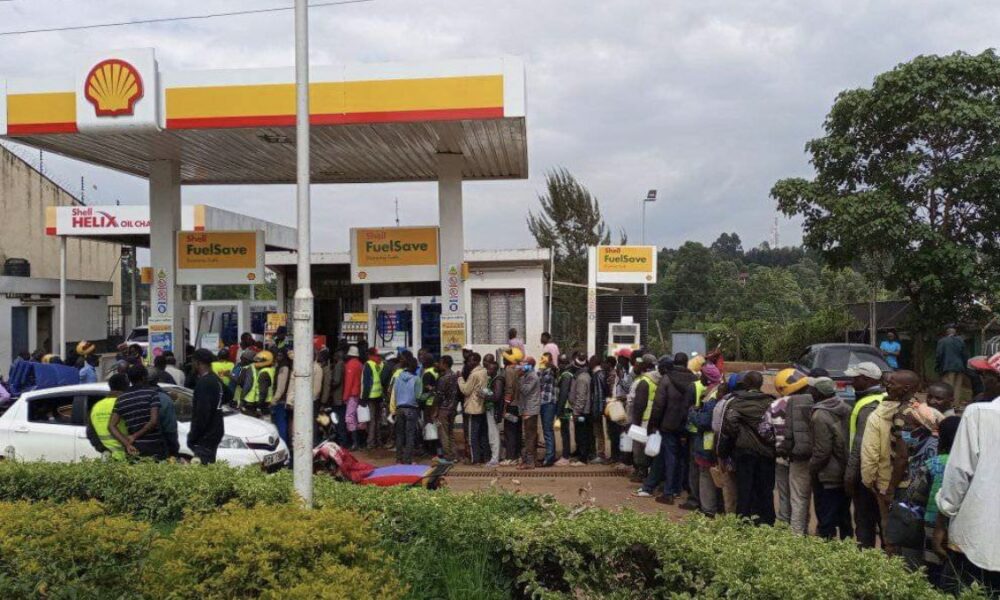
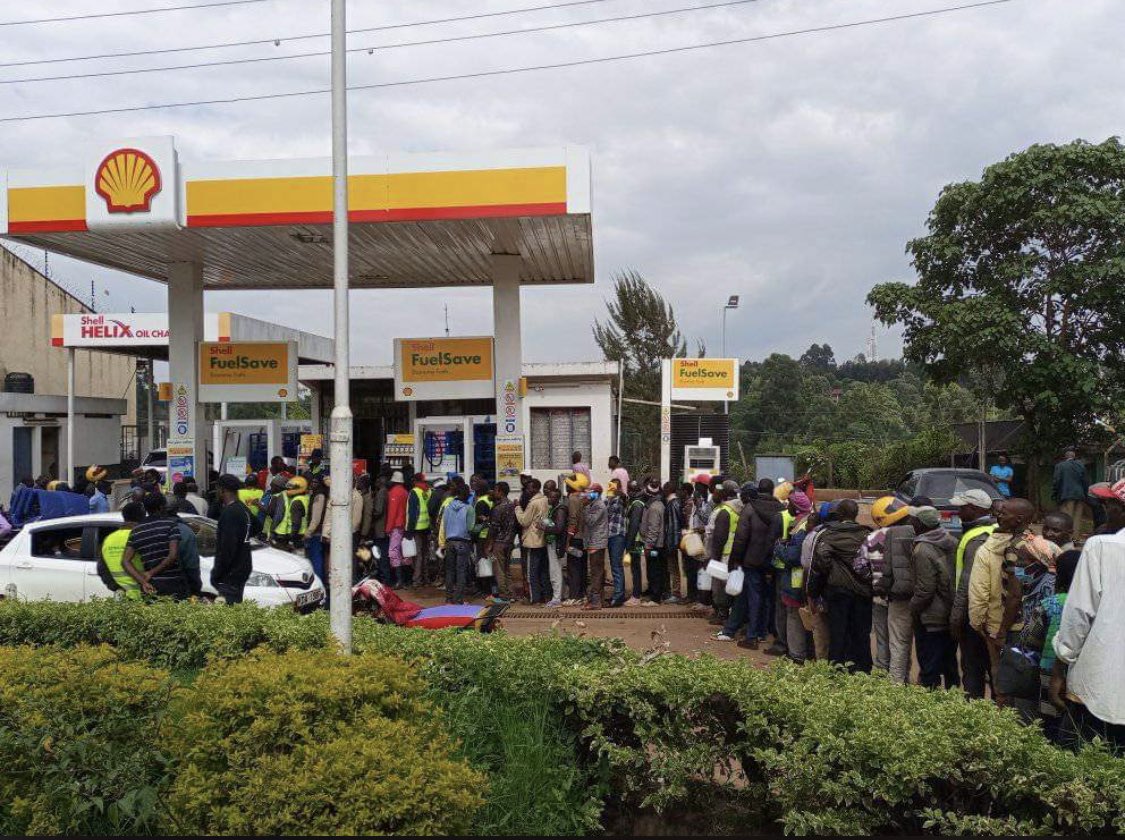
Nairobi, Kenya – Kenya has the most expensive fuel in East Africa, with petrol and diesel prices significantly higher than in neighbouring countries, a new comparison reveals.
As of June 2025, Kenyan motorists pay Sh186 per litre of petrol and Sh172 for diesel, while drivers in Ethiopia enjoy the region’s cheapest rates at Sh116 (petrol) and Sh110 (diesel). Uganda, Rwanda, and Tanzania also have lower fuel costs, raising questions about Kenya’s pricing structure.
Why Is Kenya’s Fuel So Expensive?
Kenya’s high fuel prices stem from a combination of taxes, transportation costs, and global market fluctuations. Unlike Ethiopia, where the government heavily subsidises fuel, Kenya has gradually removed subsidies, leaving prices at the mercy of global oil markets and local levies.
“Kenya’s fuel pricing includes multiple taxes, such as VAT, excise duty, and the Petroleum Development Levy,” explains energy analyst Miriam Wanjiku. “These add at least Sh50 per litre, making it unaffordable for many.”
Meanwhile, Ethiopia’s weak currency (the birr) and strict price controls help keep costs low. The Ethiopian government spent over Sh67 billion in fuel subsidies before June 2025, shielding consumers from global price hikes.
East Africa Fuel Price Comparison
Here’s how Kenya’s fuel prices compare with its neighbours (per litre in Kenyan shillings):
- Kenya: Petrol (Sh186), Diesel (Sh172)
- Uganda: Petrol (Sh182), Diesel (Sh170)
- Rwanda: Petrol (Sh163), Diesel (Sh159)
- Tanzania: Petrol (Sh143), Diesel (Sh137)
- Ethiopia: Petrol (Sh116), Diesel (Sh110)
Tanzania and Rwanda benefit from lower taxes and efficient supply chains, while Uganda’s prices remain close to Kenya’s due to similar tax structures.
Impact on Kenyan Consumers
High fuel costs have a ripple effect on Kenya’s economy, increasing transport fares, food prices, and manufacturing expenses. Public transport operators have repeatedly raised fares, while businesses pass on extra costs to consumers.
“Everything is expensive now—matatu fares, food, even basic goods,” says John Mwangi, a Nairobi taxi driver. “The government should reduce taxes or find a way to lower fuel prices like Ethiopia.”
Will Kenya Introduce Subsidies?
The Kenyan government has resisted reintroducing fuel subsidies, arguing they are unsustainable. Instead, officials point to long-term solutions like expanding renewable energy and stabilising the shilling.
“Subsidies create artificial price stability but burden the economy,” says Energy Cabinet Secretary Davis Chirchir. “We are focusing on alternative energy to reduce reliance on imported fuel.”
However, critics argue that without intervention, Kenyans will continue paying the highest fuel prices in the region.
What’s Next for East Africa’s Fuel Market?
Global oil prices remain volatile, and currency fluctuations could further impact regional fuel costs. If Kenya’s shilling weakens further, pump prices may rise again—widening the gap with Ethiopia and Tanzania.
For now, Kenyan motorists have little relief in sight, while neighbouring countries benefit from cheaper alternatives.
Final Word: Kenya’s fuel prices remain the highest in East Africa due to taxes and lack of subsidies. With Ethiopia spending billions to keep costs low, pressure mounts on Nairobi to reconsider its pricing model—or risk further economic strain.