Kenyan teachers have been urged to stay away from schools and national examination duties until they receive their pending payments from the Kenya National Examinations Council (KNEC), in a move that could significantly disrupt the country’s education system.
The call, attributed to Omboko Milemba, highlights growing frustration among educators over delayed and allegedly insufficient compensation for their role in administering national exams.
Rising Anger Over Unpaid Teachers
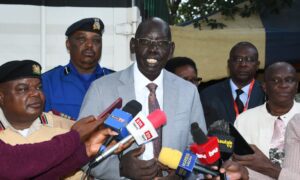
Milemba, who serves as the national chairperson of the Kenya Union of Post Primary Education Teachers (KUPPET), has been outspoken about what he terms as continued mistreatment of teachers by KNEC. He insists that educators should boycott exam-related duties—including invigilation and marking—until all pending dues are cleared.
Thousands of teachers who participated in recent national examinations are reportedly yet to receive their payments months after completing their duties. The delays have sparked outrage, with many teachers questioning why they continue to offer essential services without timely compensation.
Educators have also raised concerns about low pay rates, with some examiners reportedly earning minimal amounts per script despite the demanding nature of the work.
“Stay Away Until Paid”
The statement urging teachers to “stay away from schools until KNEC pays you” has been widely shared, reinforcing the union’s firm stance. While it has circulated largely through social platforms, it reflects a broader position already taken by teacher unions.
Milemba has called for a formal agreement between teachers and KNEC to ensure prompt and fair payment in future. According to union leaders, such an agreement would prevent recurring disputes and protect teachers from financial uncertainty.
Government Yet to Fully Resolve Issue
The Ministry of Education has acknowledged the delays, attributing them to financial and budgetary challenges. Officials say efforts are ongoing to secure funds and clear the outstanding payments.
However, concerns persist that deeper financial constraints within KNEC may be contributing to the repeated delays. This has raised questions about the long-term sustainability of managing national examinations without reform.
Threat to National Exams
If teachers follow through on the boycott, the impact on Kenya’s education sector could be severe. Teachers play a central role in supervising, administering, and marking exams—tasks that are critical to maintaining the integrity of the system.
A nationwide boycott could delay examinations, disrupt academic calendars, and affect millions of students preparing for key assessments.
Pressure Mounts for Action
Teacher unions are now increasing pressure on both KNEC and the government to act swiftly. Beyond settling current payments, they are demanding structural changes to ensure teachers are treated fairly and paid on time.
For many educators, the issue goes beyond money. It reflects broader concerns about respect, working conditions, and recognition of their role in shaping the country’s future.
As the standoff continues, the government faces mounting pressure to resolve the crisis before it escalates into a full-blown disruption of Kenya’s national examinations.