In a recent statement, the Kenya National Highways Authority (KeNHA) addressed ongoing discussions surrounding the development of a new Road Tolling Policy. The Authority emphasized its commitment to transparency and public participation as key elements in shaping this important policy, which could significantly impact road usage and infrastructure development across the country.
KeNHA acknowledged the growing public interest in the tolling of key national roads, which is a topic that has sparked considerable debate among stakeholders. The Authority assured the public that the Road Tolling Policy would be crafted with extensive input from citizens and other relevant parties to ensure that all perspectives are considered. “The Kenya National Highways Authority appreciates the ongoing discussion around the development of a Road Tolling Policy. The Authority assures the public that this Policy will be developed with extensive public participation to ensure that all voices are heard,” read part of the statement obtained by K47 Digital News.
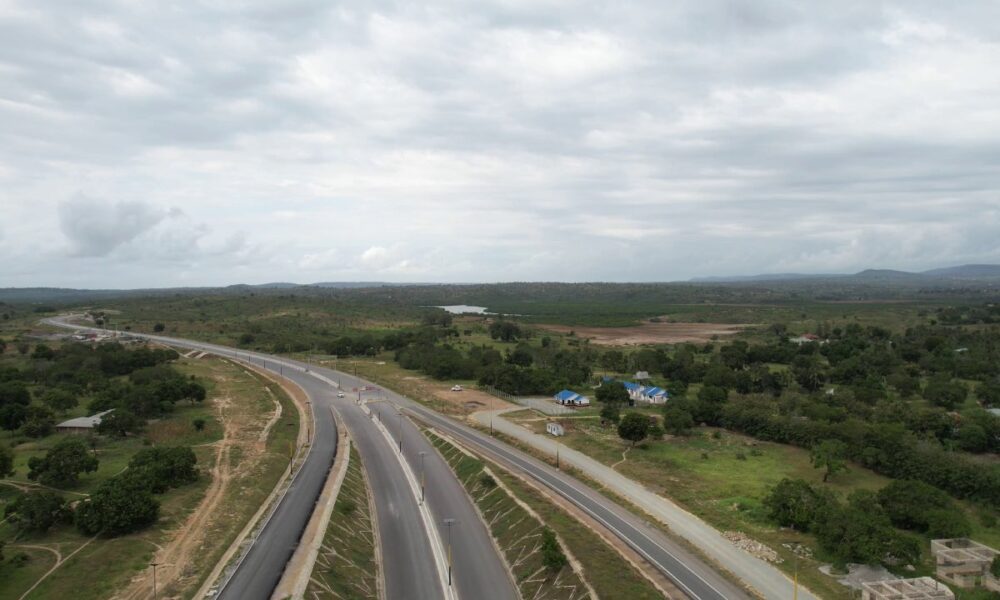
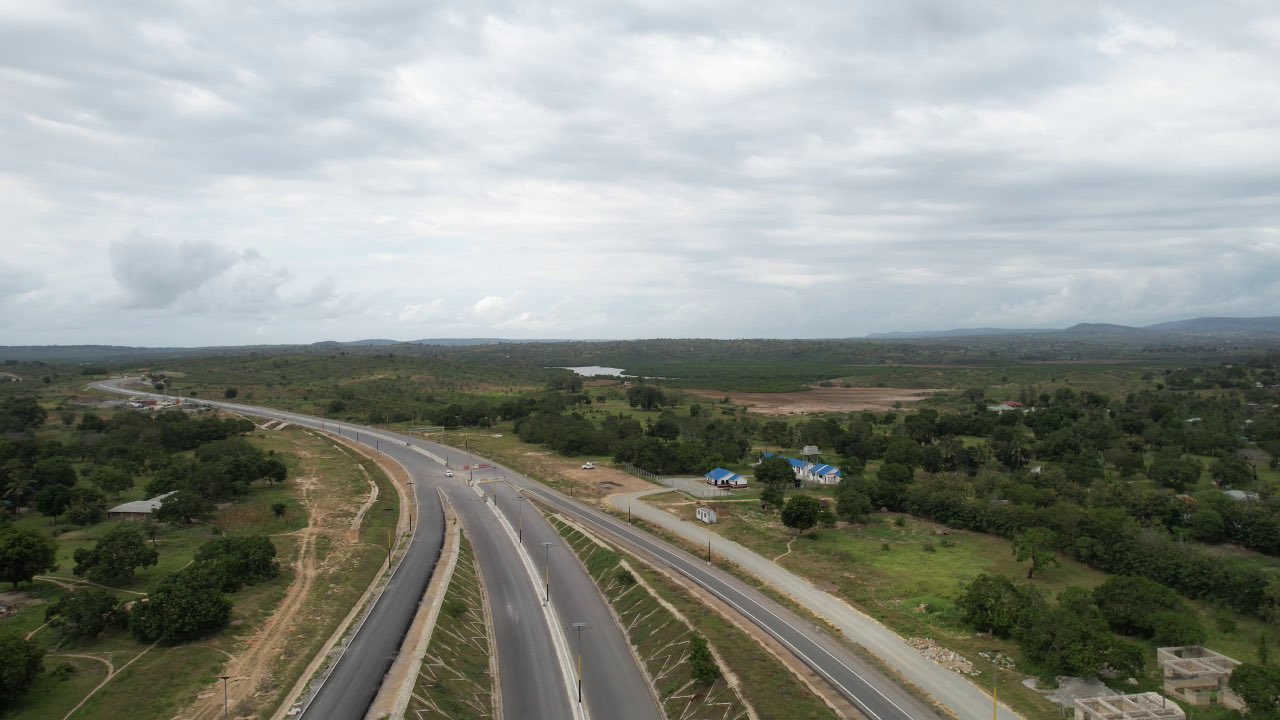
The statement further indicated that once the policy is finalized, it will provide a clear framework for determining which roads will be subject to tolling. Among the roads listed for potential tolling are some of Kenya’s most critical transport arteries, including the Nairobi Southern Bypass, Nairobi-Nakuru-Mau Summit Highway, Thika Superhighway, Kenol-Sagana-Marua Road, Mombasa Southern Bypass, and the Dongo Kundu Bypass.
These roads are vital for the country’s transportation network, facilitating the movement of goods and people between major urban centers and economic hubs. Tolling them could generate significant revenue for maintenance and future infrastructure projects, but it also raises concerns about affordability and access for ordinary Kenyans.
KeNHA’s commitment to inclusivity and engagement is particularly important given the potential impact of road tolling on various sectors of society. By involving the public in the policy development process, the Authority aims to address these concerns and create a policy that balances the need for sustainable infrastructure financing with the public’s interest.
The Authority has reiterated that it will maintain transparency throughout the process, keeping the public informed and involved at every stage. “KeNHA remains committed to transparency and inclusivity throughout this process and will continue to engage with the public at every stage,” the statement continued.
However, beyond the statement from KeNHA, a source familiar with the discussions around the Road Tolling Policy highlighted the importance of understanding the Build-Operate-Transfer (BOT) model, which is likely to play a significant role in the implementation of tolling projects. The BOT model is a form of public-private partnership (PPP) where a private entity is contracted to finance, build, and operate a toll road for a set period, after which the road is transferred back to the government.
The source emphasized that officials must fully grasp the implications of the BOT model, particularly the fact that the private entity assumes the financial risks and responsibilities of constructing and managing the toll road. This model has been successfully implemented in various countries, helping to alleviate the financial burden on governments while ensuring the development of critical infrastructure.
“It’s essential that your officials fully understand the true meaning of Build-Operate-Transfer (BOT), where the private entity takes on the risks and responsibilities of building and operating the road before eventually transferring it,” the source told K47 Digital News.
As the discussions around road tolling continue, KeNHA’s approach to public engagement and the careful consideration of financing models like BOT will be crucial in determining the success of the policy. The Authority’s efforts to involve the public and ensure transparency will likely play a significant role in shaping the future of Kenya’s road infrastructure and the country’s broader economic development.
In conclusion, as KeNHA advances with the development of the Road Tolling Policy, the promise of a participatory and transparent process offers some reassurance to stakeholders. Whether the final policy will strike the right balance between generating necessary revenue and maintaining public accessibility remains to be seen, but the Authority’s commitment to involving the public at every step is a positive sign.