Kenya’s education system is on the brink of a major transformation, and if recent remarks by the Kenya Universities and Colleges Central Placement Service (KUCCPS) boss are anything to go by, the long-standing obsession with exam grades—especially the famous Grade C+ university entry requirement—may soon be a thing of the past.
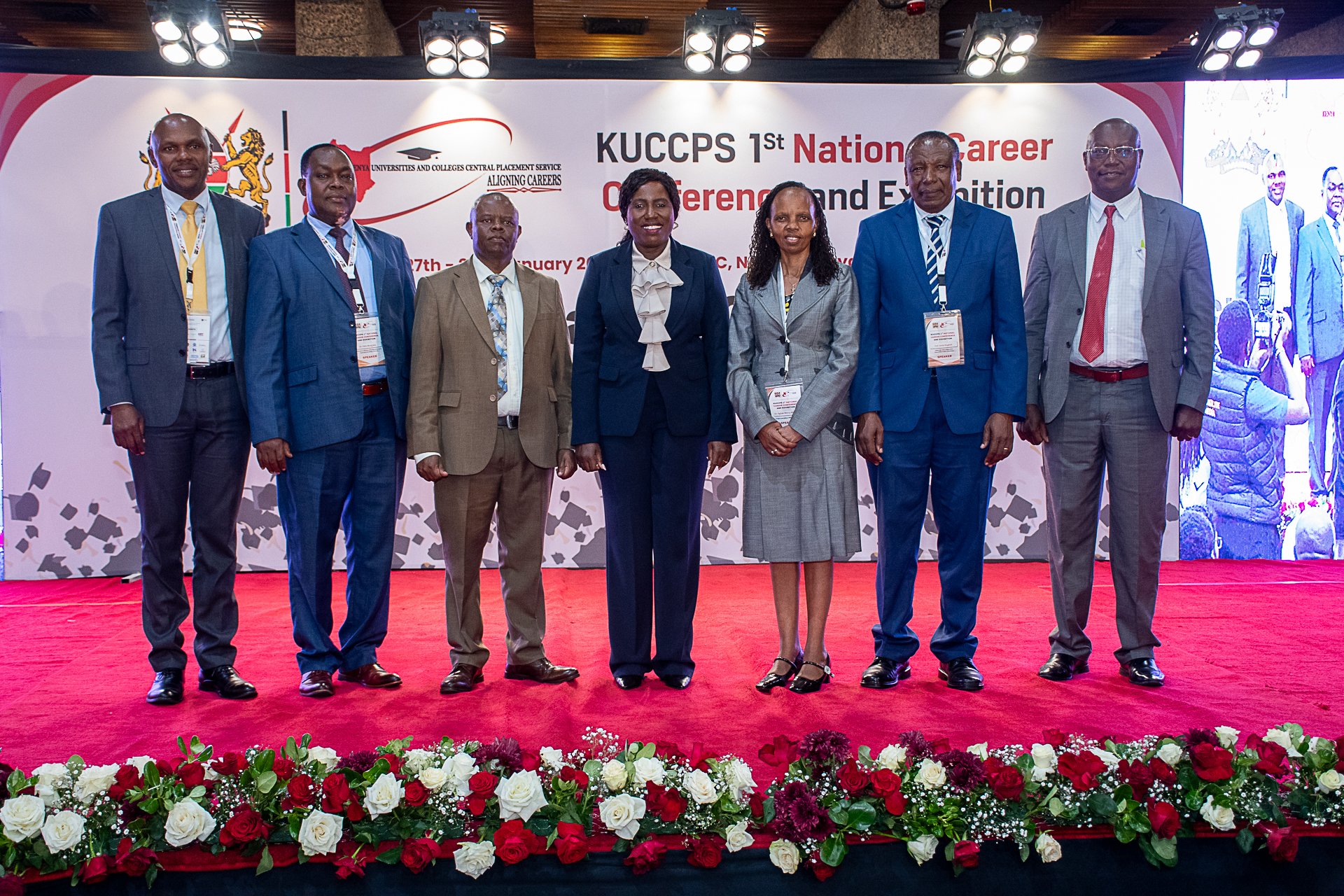
With the country steadily transitioning to the Competency-Based Education (CBE) system, policymakers, educators, parents, and students are being urged to rethink what success in education really means. According to KUCCPS CEO Agnes Wahome, the future of learning in Kenya will prioritize hands-on skills, talents, creativity, and practical competencies, rather than relying solely on exam scores.
This shift signals one of the biggest education reforms in Kenya’s history.
Kenya’s Overreliance on Grades Under Scrutiny
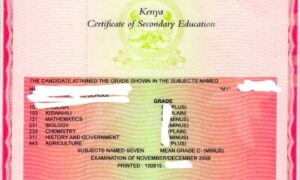
For decades, Kenya’s education system has revolved around one dominant metric: exam performance. The Kenya Certificate of Secondary Education (KCSE) has traditionally determined not just who joins university, but also who is considered “successful” academically.
Speaking on the transition to the new education framework, Wahome openly challenged this mindset.
“I think we have overglorified Grade C+ and above, and that is a conversation that will definitely change when we look at Competency Based Education,” she stated.
This statement has sparked widespread debate, particularly among students who narrowly miss the C+ cutoff, parents frustrated by exam pressure, and employers who often complain that graduates lack practical skills despite having strong academic grades.
What Is Competency-Based Education (CBE)?
The Competency-Based Education system is designed to focus on what learners can actually do, rather than how well they perform in written examinations.
Under CBE:
- Learners are assessed on skills, abilities, and real-world application
- Emphasis is placed on talents, creativity, innovation, and problem-solving
- Continuous assessment replaces high-stakes final exams
- Learners progress based on mastery of competencies, not memorization
This system aims to produce graduates who are job-ready, entrepreneurial, and adaptable to the modern economy.
Why Kenya Is Shifting to CBE
Kenya’s move toward CBE is driven by several critical factors:
1. High Youth Unemployment
Despite thousands of university graduates entering the job market each year, unemployment remains alarmingly high. Employers frequently cite a skills mismatch, arguing that graduates lack practical experience.
2. Exam-Centered Pressure
The KCSE system places immense pressure on learners, sometimes at the expense of mental health, creativity, and personal growth.
3. Global Education Trends
Countries worldwide are shifting toward skills-based education to meet the demands of the digital economy, artificial intelligence, and emerging industries.
4. Talent Recognition
Under the old system, gifted students in sports, arts, technology, and vocational skills were often sidelined simply because they didn’t score highly in exams.
Is the C+ University Entry Grade Still in Effect?
Despite the bold statements and ongoing reforms, the C+ university entry requirement is still valid—for now.
The government has clarified that:
- The C+ minimum grade remains the official requirement for university admission
- This will stay in place until the full transition to CBE is completed
- The transition period is estimated to take about two years
This means current KCSE candidates and recent graduates will still be assessed under the existing system while preparations for CBE continue.
What Will Replace the C+ System?
While exact details are still being finalized, education experts suggest that under CBE:
- Multiple pathways to higher education will exist
- Learners may enter universities, colleges, or technical institutions based on skills portfolios
- Talent-based admissions could become more common
- Vocational and technical education will gain higher status
Rather than one grade determining a learner’s future, a holistic profile including projects, assessments, and competencies will be considered.
KUCCPS’ Role in the New Education System
KUCCPS, traditionally known for placing students into universities based on KCSE grades, is expected to undergo major changes as well.
Under CBE, KUCCPS may:
- Match learners to institutions based on competencies and career interests
- Support skills-based placement
- Expand opportunities in TVET institutions
- Promote alternative career pathways beyond universities
This aligns with the government’s broader goal of strengthening technical and vocational education and training (TVET) as a viable and respected option.
What This Means for Students and Parents
For many families, this transition brings both hope and uncertainty.
Opportunities:
- Reduced exam pressure
- Recognition of talents and practical abilities
- More career options beyond traditional degree programs
- Better alignment between education and employment
Concerns:
- Uncertainty during the transition period
- Understanding how learners will be assessed
- Fear of inconsistent implementation
- Limited public awareness of CBE structures
Education stakeholders are calling for clear communication, teacher training, and proper infrastructure to ensure a smooth rollout.
Teachers and Schools Face Major Adjustments
Teachers will play a central role in making CBE successful. Unlike exam-focused teaching, CBE requires:
- Continuous learner assessment
- Individualized learning approaches
- More classroom resources
- Smaller teacher-to-student ratios
Schools will also need investment in:
- Workshops and laboratories
- Sports and arts facilities
- Digital learning tools
- Teacher retraining programs
Without adequate support, critics warn that the transition could deepen inequality between well-funded schools and under-resourced ones.
Is University Still the Only Path to Success?
One of the most powerful implications of CBE is the redefinition of success.
For years, university education has been seen as the ultimate goal. Under the new system:
- Technical skills may carry equal or greater value
- Entrepreneurship will be encouraged
- Creative industries may flourish
- Learners can thrive without following a single academic path
This cultural shift could help Kenya unlock the potential of millions of young people who previously felt left behind.
The Bigger Picture: Education and Kenya’s Economy
By focusing on skills, Kenya aims to:
- Build a competitive workforce
- Reduce graduate unemployment
- Support industrialization
- Strengthen innovation and technology sectors
If implemented effectively, CBE could transform Kenya into a regional hub for skilled labor, startups, and creative industries.
Final Thoughts
The KUCCPS boss’s remarks about “overglorifying Grade C+” have ignited an important national conversation. While the C+ university entry grade remains in effect during the transition, its dominance is clearly being challenged.
As Kenya moves toward Competency-Based Education, the future of learning looks broader, more inclusive, and more aligned with real-world needs. For students, parents, and educators alike, the message is clear: grades alone will no longer define success.
The next two years will be critical in shaping how this vision becomes reality—and whether Kenya can truly deliver an education system that works for everyone.