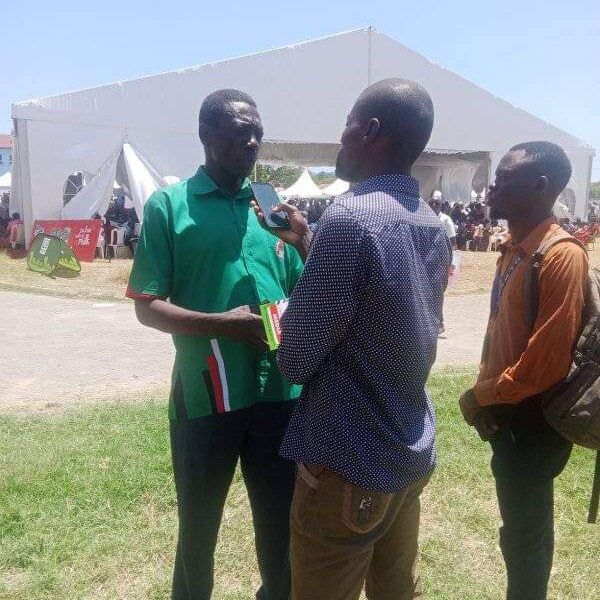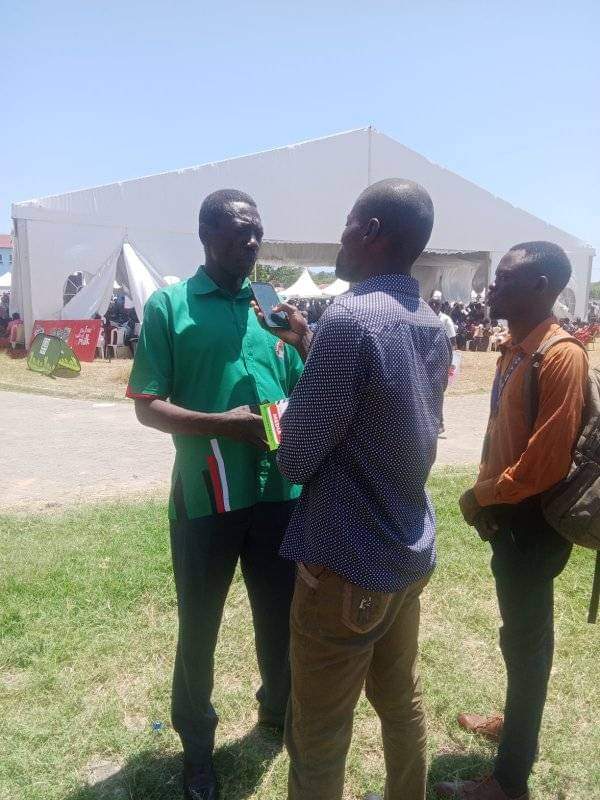
In a riveting address at the KEPSHA (Kenya Primary School Headteachers Association) conference in Mombasa, the Secretary General of the Kenya National Union of Teachers (KNUT), Dr. Collins Oyuu, seized the opportunity to make pivotal remarks aimed directly at Kenya’s education sector. Held at the scenic coastal city of Mombasa, this year’s KEPSHA conference has gathered education leaders from all corners of Kenya, and Dr. Oyuu’s address stole the spotlight with an impassioned call to action.
Dr. Oyuu’s Core Message: A New Era for Educators
Speaking to hundreds of primary school headteachers, Dr. Oyuu emphasized that the primary school system in Kenya is at a transformative juncture. “We’re at a crossroads,” he remarked, “where we need to re-examine the roles, responsibilities, and, crucially, the rights of every primary school educator.” With the theme of the conference focusing on “Enhancing Quality Education through Collaborative Efforts,” Oyuu urged school leaders and policymakers to ensure that primary school teachers are better supported and recognized in their roles.
One of the key issues Dr. Oyuu highlighted was the urgent need for fair compensation and respect for teachers’ labor. He hinted that recent disparities in pay and benefits, especially at the primary level, are fostering discontent among the teaching community. His plea came as a rallying cry, “We can’t ask our educators to give their all while they feel undervalued.”
The Push for ‘Director’ Title: KNUT’s Take on KEPSHA’s Proposal
In response to the ongoing debate sparked by KEPSHA’s recent push for primary school headteachers to be formally addressed as “Directors” instead of “Principals,” Oyuu expressed cautious support. He noted that while the title could elevate the perceived status of primary school heads, the real focus should be on empowering educators to make impactful changes within their institutions. “Titles matter, yes, but the impact and support behind that title matter even more,” he asserted, drawing applause from the attendees.
Addressing the Teacher Shortage: Dr. Oyuu’s Appeal to TSC
A substantial part of Dr. Oyuu’s speech zeroed in on the chronic teacher shortage plaguing Kenya’s primary schools. He appealed to the Teachers Service Commission (TSC) to expedite the hiring of new teachers, noting that this issue has persisted far too long. Oyuu referenced TSC’s recent promise of 46,000 confirmed internships and 45,000 promotion opportunities, backed by a significant Ksh 1 billion budget allocation, as a promising start. However, he urged that these numbers still fall short of adequately addressing the primary school sector’s needs, especially in rural and marginalized regions where the shortage is most severe.
“Overcrowded classrooms and overburdened teachers cannot yield the quality education we aspire to provide our children,” Oyuu remarked, stressing that teachers across the country are feeling the strain. He called upon TSC to prioritize hiring more educators for primary schools, stating, “We must ensure that every primary school has enough teaching staff to maintain quality education standards.”
Professional Development and Career Pathways
During his address, Dr. Oyuu also touched on the importance of ongoing professional development and career growth for primary school educators. He urged TSC and the Ministry of Education to enhance career pathways for teachers, facilitating not only promotions but also specialized training opportunities.
Oyuu highlighted how, in his view, the career development programs currently in place do not fully cater to primary school educators. “A system that values primary school teachers and supports their professional growth is a system that ultimately benefits our children,” he stated. By fostering a culture of continuous improvement and learning, he argued, teachers would feel more motivated and better equipped to deliver quality education.
CBT Curriculum: Oyuu Addresses Hurdles in Implementation
The Competency-Based Curriculum (CBC) also featured prominently in Dr. Oyuu’s address. He acknowledged that while the curriculum holds great promise for Kenyan students, the implementation phase has been marred by a lack of resources and teacher training. According to Oyuu, teachers in many primary schools are facing challenges adapting to the CBC structure, primarily due to limited training opportunities and insufficient classroom materials.
Dr. Oyuu suggested that the government and relevant stakeholders channel more resources into equipping schools for CBC implementation. He advocated for additional workshops and training programs that will allow primary school teachers to master the CBC framework, ensuring that no child is left behind. “We have to bridge the gap between intention and implementation,” he emphasized, highlighting the necessity of comprehensive CBC support for teachers nationwide.
Teachers’ Welfare: From Pay Disputes to Retirement Plans
In his impassioned address, Dr. Oyuu didn’t shy away from discussing the welfare of Kenyan teachers. He criticized the delay in addressing pay disputes and pushed for a more streamlined retirement plan that would better cater to retired teachers’ needs. According to Oyuu, too many retired educators are struggling financially, a scenario he decried as unacceptable for individuals who dedicated their lives to shaping future generations.
The Secretary-General urged the government and TSC to improve pension systems for retired teachers, so they can enjoy dignified retirements. He concluded this portion of his speech by saying, “A nation that doesn’t care for its teachers’ welfare is a nation in jeopardy.”
A Call to Action and Unity Among Educators
Dr. Oyuu’s message extended beyond policy critiques and recommendations; he called for unity among all teachers, urging them to stand firm in their commitment to education. He reminded the conference attendees that the role of educators is not only to teach but to inspire and uplift their students. “Together, we have the power to transform the future of this country,” he said, inspiring a sense of pride and purpose among the gathered headteachers.
In his closing remarks, Oyuu called upon stakeholders across the educational spectrum – from policymakers to parents – to rally behind the teaching community, championing better working conditions, fair treatment, and sustainable growth. His words were met with resounding applause, signaling that his address had resonated deeply with the conference attendees.
As KEPSHA’s annual conference progresses, Dr. Oyuu’s address is sure to spark further discussions and debates. His speech has set the tone for a conference that promises to be impactful, shaping the direction of primary education in Kenya for years to come.