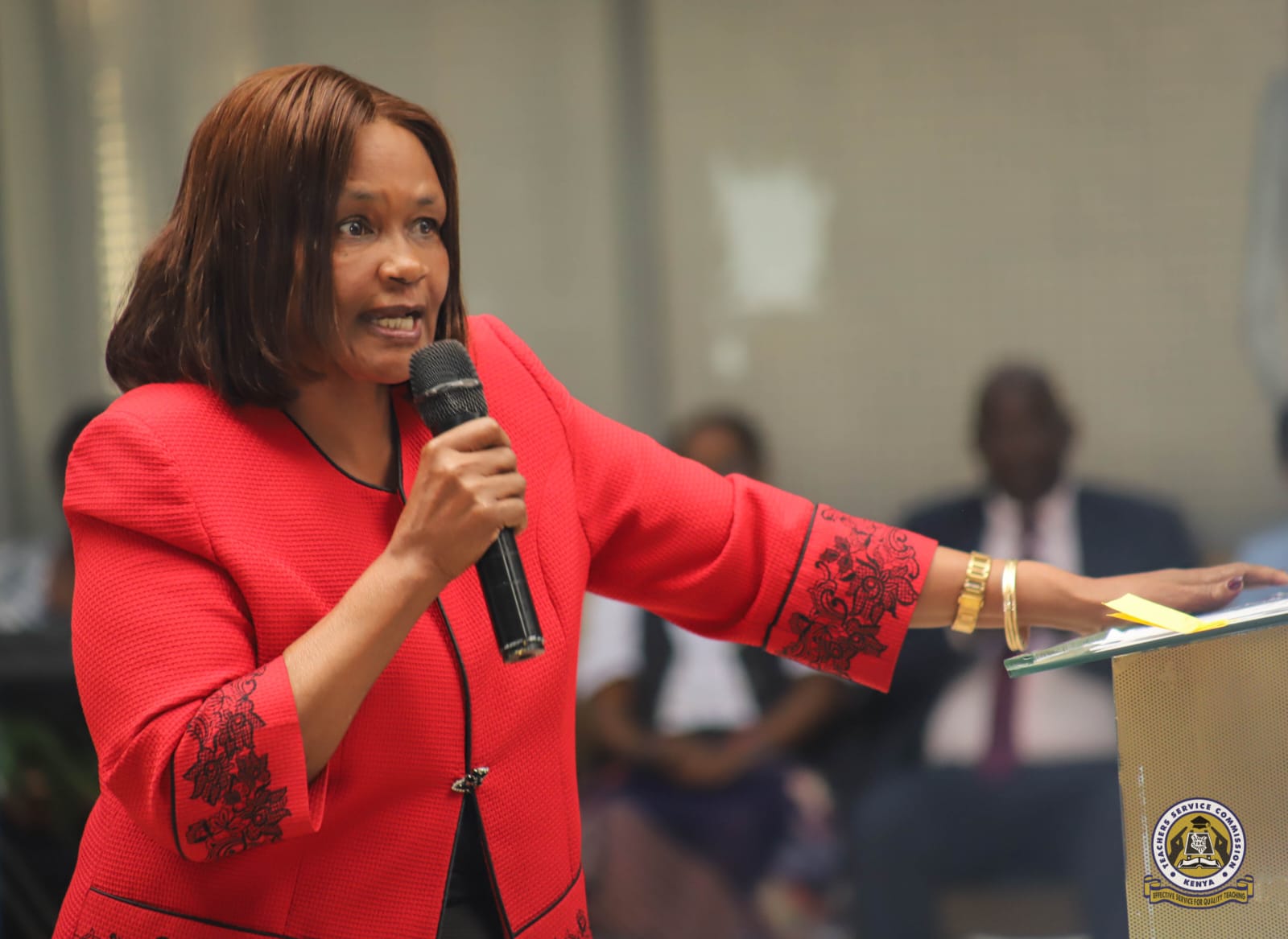
Nairobi — The future of Junior Secondary Schools (JSS) in Kenya could be headed for a major transformation after the Teachers Service Commission (TSC) proposed sweeping changes that would grant the institutions independent governance and administrative structures. The proposal, which has generated national debate among education stakeholders, seeks to separate JSS from primary school management and establish them as autonomous learning institutions.
The move comes amid growing pressure from teachers’ unions, education experts, and lawmakers who argue that the current system has created confusion, strained leadership, and slowed down effective implementation of the Competency-Based Curriculum (CBC).
The Current Structure Under Scrutiny
When Kenya transitioned from the 8-4-4 education system to the CBC framework, Grades 7, 8, and 9 were placed under Junior Secondary School. However, these grades were domiciled within primary schools, meaning they fall under the leadership of primary school headteachers.
While this arrangement was initially presented as a transitional measure to ease implementation, concerns have intensified over its practicality. Junior school teachers report challenges in decision-making, resource allocation, and professional recognition. Many argue that being administratively subordinate to primary school heads undermines the academic and operational independence required at the junior level.
Education observers note that the learning needs and operational requirements of junior secondary students differ significantly from those of primary learners. As such, critics say maintaining a shared management structure has led to blurred lines of authority and inefficiencies in day-to-day operations.
What TSC Is Proposing
The Teachers Service Commission now wants to formally restructure JSS governance. The proposal includes:
Appointment of substantive Principals and Deputy Principals specifically for Junior Secondary Schools.
Establishment of independent administrative units within JSS institutions.
Clear delineation of reporting structures separate from primary school leadership.
Creation of budgetary provisions to support new leadership positions and operational demands.
According to TSC officials, the objective is to enhance accountability, improve service delivery, and ensure that junior schools operate under leadership that understands the unique demands of CBC at that level.
TSC argues that the current system limits effective supervision, slows curriculum implementation, and creates administrative bottlenecks that could hinder student performance.
Funding and Staffing Implications
One of the most significant aspects of the proposal is the financial implication. Establishing autonomous JSS units would require recruitment or re-designation of thousands of school leaders across the country. This includes principals, deputies, and potentially heads of departments.
Additionally, new administrative frameworks would require funding for infrastructure expansion, training, leadership capacity building, and salary adjustments.
Members of Parliament have already raised questions about whether the National Treasury is prepared to allocate sufficient funds to support the reforms. Legislators have also cautioned against prolonged use of acting appointments, urging the Commission to ensure that substantive appointments are made to guarantee stability.
Education analysts warn that without proper financial planning, the reform could strain the education budget. However, supporters counter that investing in structured governance now could prevent systemic inefficiencies later.
Teachers’ Unions and Growing Pressure
The proposal follows months of agitation by teachers’ unions and associations representing junior school educators. These groups have repeatedly demanded full autonomy, arguing that JSS teachers face professional stagnation under the current framework.
Teachers say they often lack clarity in performance appraisal systems, reporting mechanisms, and career progression pathways. Some have staged demonstrations in different counties to push for independent administration and better working conditions.
Union leaders maintain that autonomy would enhance morale and ensure that junior school teachers are recognized as post-primary educators rather than extensions of primary school staff.
The Kenya Union of Post-Primary Education Teachers (KUPPET) has consistently called for clear governance reforms. The Kenya Junior School Teachers Association (KeJUSTA) has also insisted that JSS must be treated as a distinct level within the education system.
Why Autonomy Matters
Proponents argue that granting JSS autonomy would bring several benefits:
- Clear Leadership Structure: Independent principals and deputies would provide focused leadership tailored to junior secondary needs.
- Improved Accountability: Separate administrative units would allow better tracking of performance, finances, and curriculum delivery.
- Enhanced Career Progression: Teachers would have clearer promotional pathways aligned with post-primary frameworks.
- Better Resource Allocation: Dedicated budgets would reduce conflicts over facilities, laboratories, and instructional materials.
Education experts note that in many countries, middle-level schooling operates independently to bridge the transition between primary and senior secondary education. They argue that Kenya’s current arrangement is largely transitional and not sustainable in the long term.
Concerns and Criticism
Despite widespread support from teachers, not everyone is convinced. Some stakeholders worry that splitting administration could create duplication of roles and additional bureaucratic layers.
Rural schools, in particular, may struggle to support separate leadership structures due to limited student populations and infrastructure constraints. There are also concerns about whether existing facilities can accommodate administrative offices for newly appointed leaders.
Parents have raised questions about whether autonomy will translate into higher school levies. While the government maintains that basic education remains free, operational adjustments often come with hidden costs.
Others caution that the reform must be accompanied by comprehensive policy amendments, including possible revisions to the TSC Act and related education regulations.
Parliamentary Oversight
The National Assembly Committee on Education is expected to play a critical role in evaluating the proposal. Lawmakers will assess the policy, financial, and operational implications before recommending legislative or budgetary action.
Education Committee members have emphasized the need for sustainable planning rather than quick fixes. They have also urged the Commission to ensure transparency in appointments and resource allocation should the proposal be approved.
Broader CBC Context
The Competency-Based Curriculum was introduced to focus on skills development, critical thinking, and learner-centered education. However, its implementation has faced multiple hurdles, including infrastructure gaps, teacher shortages, and logistical challenges.
Analysts argue that governance clarity is central to successful CBC delivery. Without clear leadership structures, even well-designed curricula can falter.
By proposing independent governance for JSS, TSC appears to be addressing structural weaknesses that emerged during the early phases of CBC implementation.
What Happens Next?
If Parliament approves the proposal and funds are allocated, Kenya could see phased implementation beginning with large schools before scaling nationwide.
The Commission would likely conduct audits to determine staffing needs, infrastructure readiness, and budgetary requirements in each county.
For now, stakeholders await further deliberations and official communication on timelines.
A Defining Moment for Education Reform
The push for JSS autonomy marks a defining moment in Kenya’s education reform journey. Whether the proposal succeeds will depend on political will, financial commitment, and stakeholder collaboration.
For junior school teachers, the reform represents long-awaited recognition and professional validation. For policymakers, it is a test of how effectively the CBC transition can be managed.
As debate intensifies, one thing remains clear: the structure of Junior Secondary Schools is no longer a minor administrative matter — it is at the heart of Kenya’s evolving education system.
If implemented successfully, the proposed governance overhaul could reshape leadership, strengthen accountability, and redefine how junior secondary education operates across the country for years to come.