Tanzania: UN Condemns Deadly Crackdown, Internet Shutdown Amid Election Protests
Dar es Salaam, Tanzania — October 31, 2025:
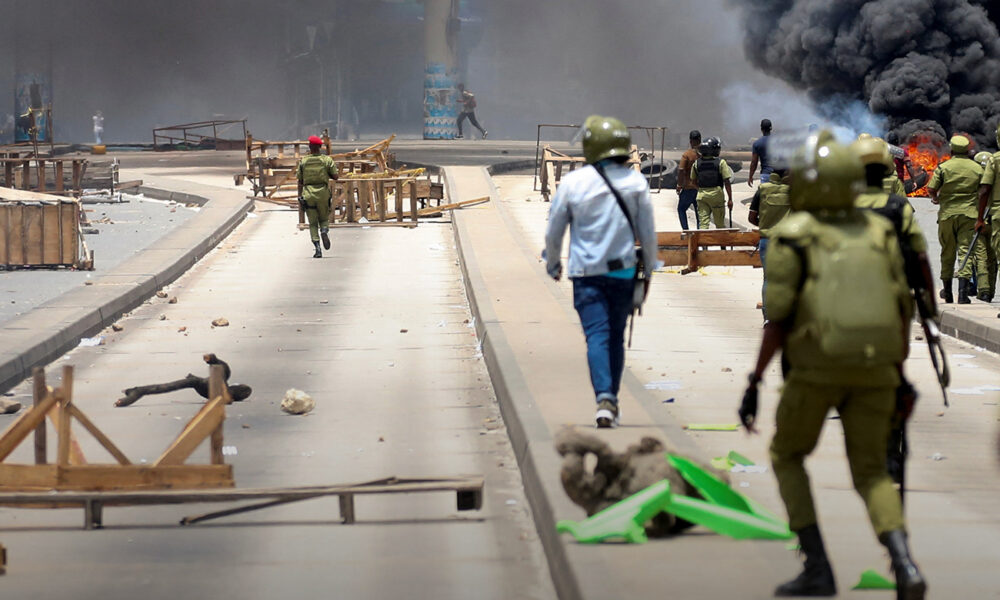
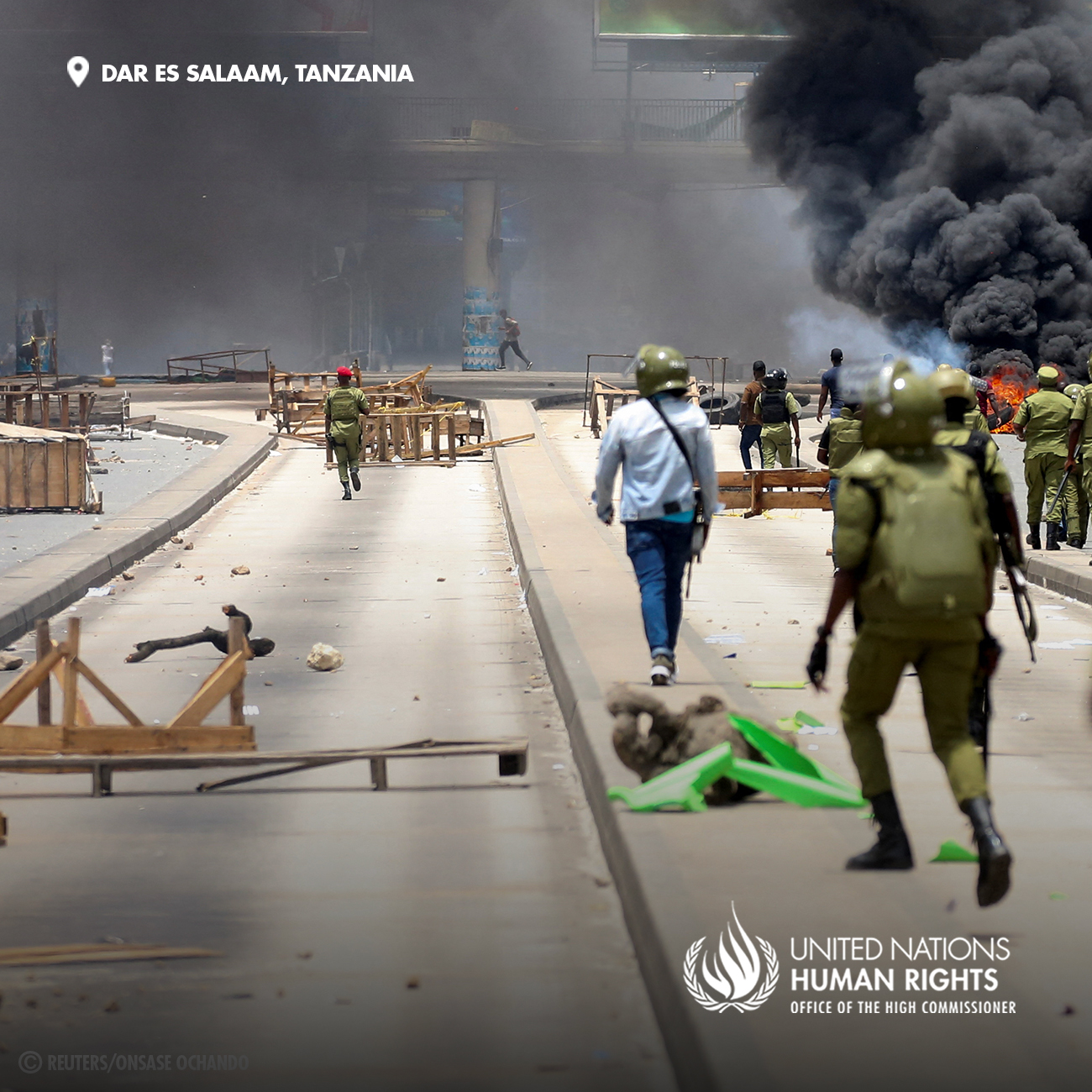
The United Nations has expressed deep concern following the deaths and injuries that have rocked Tanzania amid ongoing election-related protests. Credible reports received by the UN indicate that at least 10 people have been killed and dozens injured in Dar es Salaam, Shinyanga, and Morogoro, as security forces allegedly opened fire and used teargas to disperse demonstrators.
The violent scenes erupted after the October 29 general election, with tensions mounting across the country over alleged electoral irregularities, arbitrary arrests, and restrictions on opposition figures. According to the UN, a nationwide curfew has been imposed and internet access remains widely restricted, effectively silencing citizens and journalists seeking to share information.
“We are alarmed by the deaths and injuries that have occurred in the ongoing election-related protests,” the UN said in a statement released from Geneva. “Security forces must refrain from using unnecessary or disproportionate force, including lethal weapons, against protesters.”
Internet Blackout Raises Fears of Cover-Up
Since the election day, Tanzanians have faced severe communication blackouts, with access to social media platforms, messaging services, and news websites largely unavailable. The government has not provided any official explanation for the internet shutdown, sparking fears of a deliberate attempt to suppress information about the unrest.
The UN has called on authorities to immediately restore internet access, emphasizing that communication restrictions “only further undermine public trust in the electoral process.”
“Curtailing communication will not restore calm — it will only deepen mistrust,” the UN warned.
The statement underscores concerns that the government’s heavy-handed tactics may escalate tensions further, particularly as opposition supporters continue to demand transparency and accountability over alleged electoral fraud.
Crackdown on Opposition and Civil Rights
Reports emerging from several regions suggest that security forces have detained dozens of opposition supporters, including key leaders of the Chadema party, Tanzania’s main opposition movement. Among those allegedly targeted are the party leader and his deputy, both accused of inciting unrest.
There have also been disturbing reports of enforced disappearances, including the disappearance of Tanzania’s former ambassador to Cuba, who was known for expressing dissenting political views.
The UN has condemned these acts as serious human rights violations, urging Tanzanian authorities to immediately and unconditionally release all individuals held in arbitrary detention. Those legally held, the organization stressed, must be afforded full due process and fair trial rights.
UN Calls for Impartial Investigations
In its strongly worded statement, the United Nations called for prompt, impartial, and effective investigations into all cases of election-related violence. It emphasized that those responsible must be held accountable, regardless of their position or affiliation.
“We urge the authorities to ensure justice is served for all victims of this violence,” the UN said. “Accountability is essential to restoring confidence in Tanzania’s democratic institutions.”
Observers say the ongoing turmoil threatens to undo years of progress Tanzania has made in maintaining relative stability in East Africa. Civil society organizations have echoed the UN’s concerns, warning that continued suppression of dissent could push the country toward deeper political and social unrest.
Global Reactions and Next Steps
International human rights groups and foreign governments are closely monitoring the situation. Calls are mounting for President Samia Suluhu Hassan’s administration to engage in dialogue with opposition leaders and to take immediate measures to end the violence.
Diplomatic sources suggest that if the situation worsens, regional bodies such as the African Union (AU) and the East African Community (EAC) could step in to mediate between the government and opposition parties.
The UN reiterated that Tanzania must uphold its obligations under international human rights law, particularly the rights to freedom of expression, association, and peaceful assembly.
As protests continue and the nation remains under curfew, the UN’s message is clear: Tanzania stands at a crossroads. How its leaders respond in the coming days could determine whether the country restores public trust or slides further into turmoil.