Guaranteeing a loan for someone may seem like a small favor until you’re left to bear the financial consequences of their default. A recent Facebook post sheds light on this harsh reality, revealing the risks guarantors face when borrowers fail to honor their obligations.
The Pain of Being a Guarantor: A Real Story
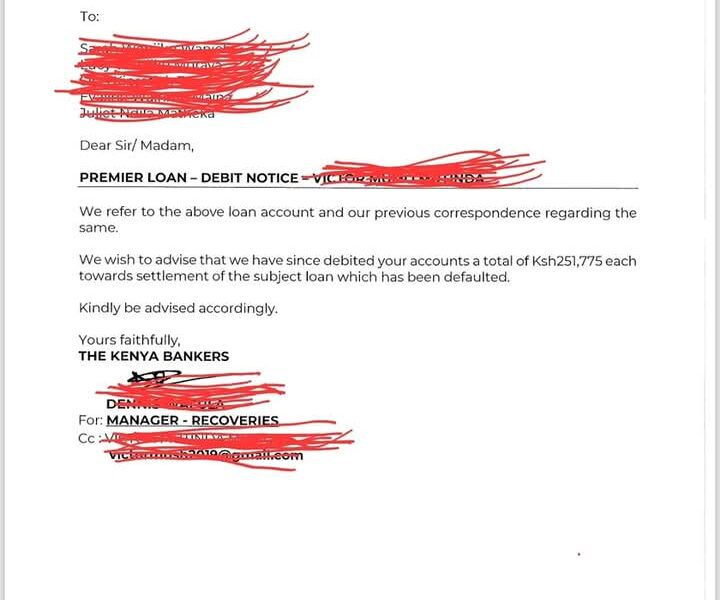
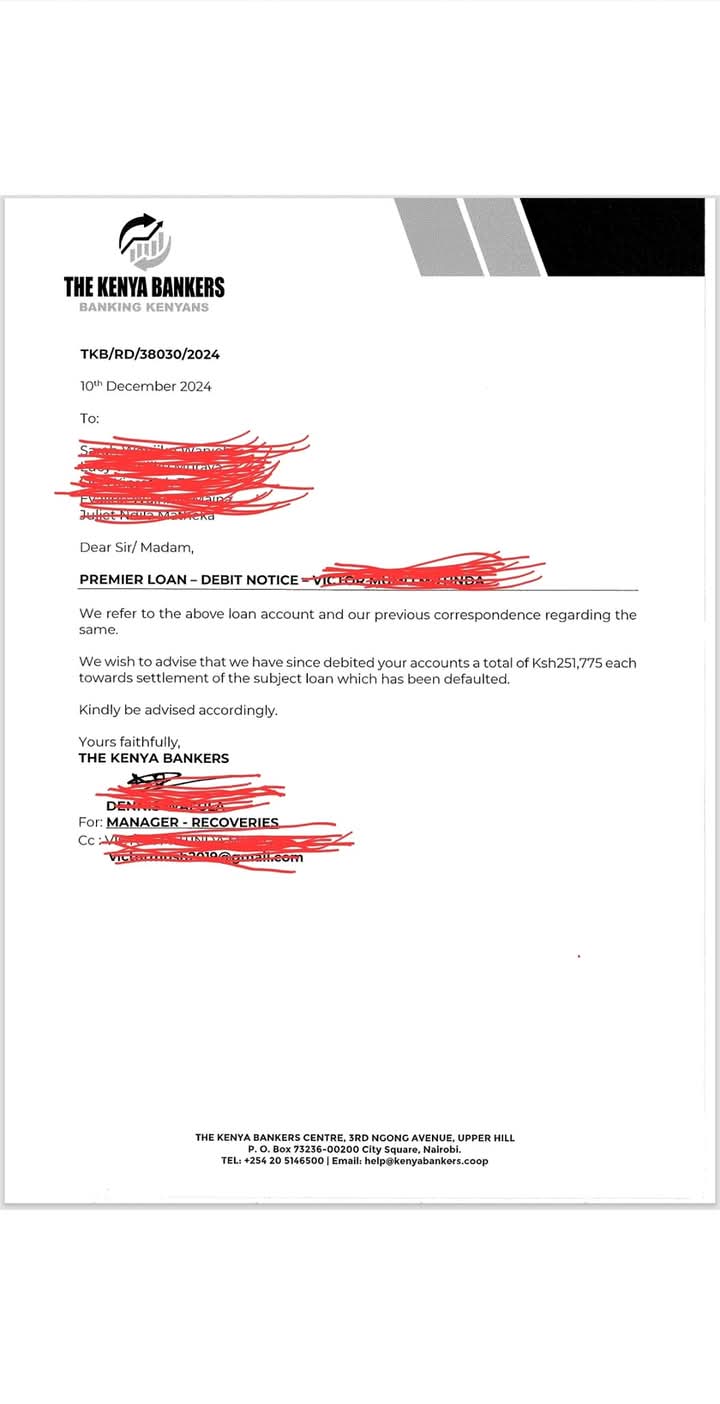
A devastated saver shared their experience of losing Ksh 251,775 from their savings after the borrower they guaranteed defaulted on a loan for over a year. Despite numerous calls and attempts to resolve the issue, the borrower refused to cooperate, responding rudely and even daring them to “take him where they want.”
The lender, unable to recover the debt from the borrower, debited the guarantor’s savings account without notice. This shocking move left the guarantor grappling with significant financial loss and unanswered questions about legal recourse.
Legal Responsibilities of a Guarantor
As a guarantor, you agree to pay the loan if the borrower defaults. According to Kenyan law, a guarantor is legally bound to fulfill this obligation, making it crucial to understand the terms before signing. In this case, the guarantor may feel the loss is unfair, but the lender acted within their legal rights.
Legal Action Options
While the situation feels hopeless, there are some steps you can take:
- Engage a Lawyer: Consult a legal expert to determine whether the borrower can be held accountable for intentional default.
- File a Civil Suit: If evidence suggests malicious intent by the borrower, you could pursue a civil suit to recover your losses.
- Negotiation: Approach the borrower with legal backing to arrange for repayment, even in installments.
Lessons from the Comments: Protect Yourself as a Guarantor
Many commenters resonated with the story, offering advice and hard truths about guaranteeing loans:
- “Know the Borrower Well”: Only guarantee those whose family, home, and character you can vouch for.
- “Refuse to Guarantee”: Don’t hesitate to say no, even if it means risking the relationship.
- “Demand Collateral”: If unavoidable, ensure the borrower provides a payslip or asset as collateral.
Avoiding Guarantor Risks
- Understand the Loan Terms: Before signing, read the contract and confirm the borrower’s repayment capacity.
- Limit Your Exposure: Only guarantee loans that you can comfortably repay if the worst happens.
- Monitor Loan Status: Stay updated on repayments to avoid surprises like account freezes or debits.
Final Thoughts
Being a guarantor is a serious financial commitment. While it may feel like an act of kindness, it could cost you dearly if the borrower defaults. The emotional and financial strain highlighted in this case serves as a cautionary tale for anyone considering guaranteeing a loan.
If you find yourself in this situation, seek legal advice and take proactive steps to recover your money. But most importantly, think twice before agreeing to be a guarantor—because the cost could be more than you’re willing to pay.