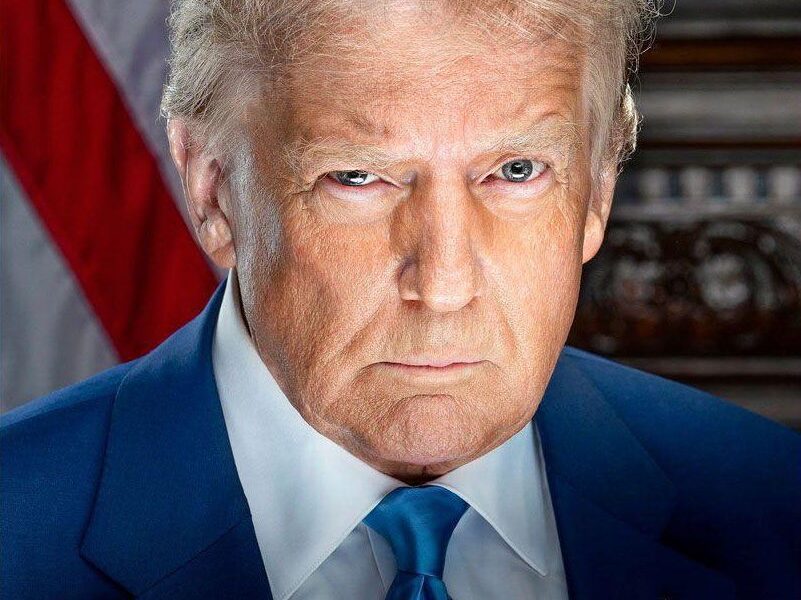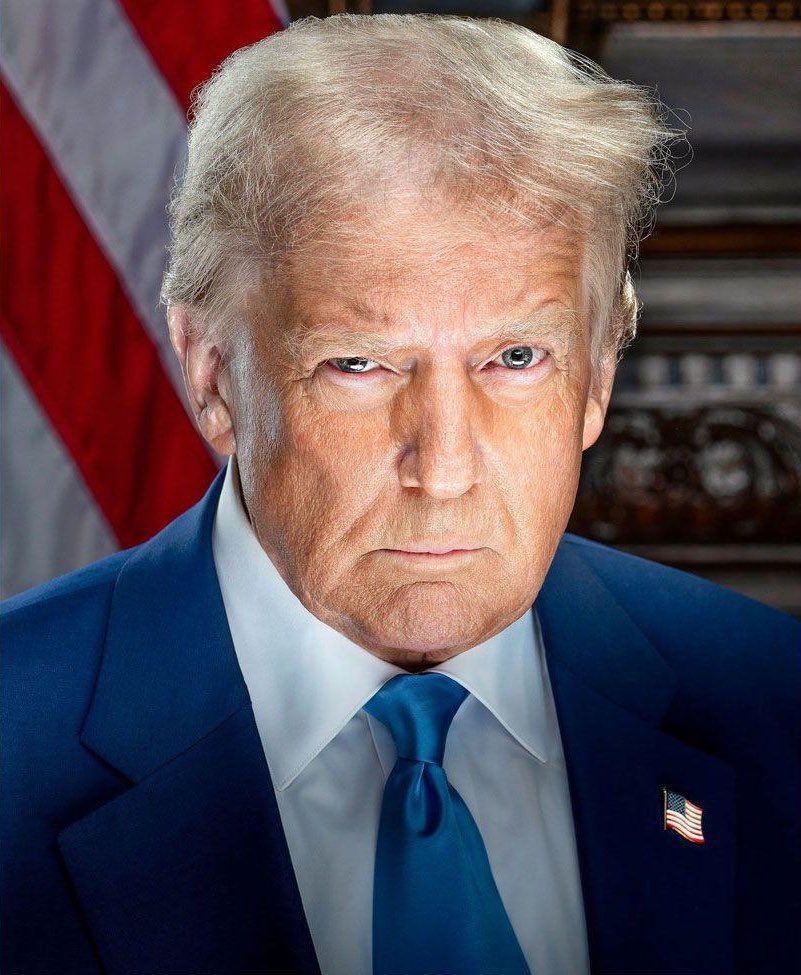
In a controversial decision, former U.S. President Donald Trump has officially signed an executive order to withdraw the United States from the World Health Organization (WHO) hours after take over from President Joe Biden. This bold step fulfills a long-standing campaign promise and marks a significant shift in U.S. health and foreign policy.
The move terminates the United States’ financial contributions to the WHO, a critical source of funding for the global health body. The U.S. has historically been one of the largest contributors, providing financial resources essential for combating global health crises such as pandemics, diseases, and emergencies.
Critics argue that this withdrawal could weaken global health systems and cooperation, particularly during times of urgent medical need. Some fear it may leave a void in leadership, allowing other nations, like China, to increase their influence within the organization.
Supporters of the move, however, hail it as a necessary stand against what they perceive as inefficiencies and alleged biases in the WHO. Trump has previously accused the organization of mismanaging the COVID-19 pandemic and being overly influenced by China.
The announcement has sparked widespread debate among policymakers, health experts, and citizens worldwide. Questions about the long-term impact on global health initiatives remain unanswered, with many expressing concern over how this decision will affect vulnerable populations.
This decision is expected to have ripple effects on domestic health policies as well, particularly as the U.S. seeks to redirect resources and chart an independent course in global health governance.
As discussions unfold, the world watches closely to understand the broader consequences of this landmark decision on international health cooperation and the future of global public health leadership.