In a recent report released by the Teachers Service Commission (TSC), the landscape of Kenya’s teaching fraternity has been scrutinized, revealing significant insights into the ethnic distribution of educators across the country. The report sheds light on the top tribes dominating the teaching sector, highlighting disparities and providing valuable data for policymakers and educators alike.
According to the findings, three major tribes—Kalenjin, Kikuyu, and Luhya—stand out as the primary contributors to Kenya’s teaching workforce, collectively representing nearly 50 percent of the 406,860 teachers under the government’s payroll. The Kalenjin community leads with 73,309 teachers, followed closely by the Kikuyu tribe with 64,937 and the Luhya community with 60,912 educators. This concentration of teachers within a few ethnic groups reveals a significant regional imbalance in public teaching jobs across the nation.
The data, presented to the Senate Standing Committee on National Cohesion and Equal Opportunity, also reveals the Kamba community as the fourth-largest group in the teaching sector, with 48,201 teachers, followed by the Luo community with 47,285 educators, rounding up the top five dominating tribes in the profession. Together, these five communities constitute a staggering 70 percent of the entire teaching sector, totaling 294,644 teachers employed by the TSC.
Further analysis shows that beyond the top five tribes, the Kisii community emerges as the sixth most dominant tribe in the teaching service, boasting 35,236 teachers, representing eight percent of the workforce. The Meru community follows closely with 25,930 educators. Remarkably, the TSC has employed 355,810 teachers from just seven tribes, accounting for 87 percent of the entire teaching fraternity in public service. This leaves the remaining 38 communities with only 51,050 teaching positions, a mere 13 percent of the total workforce.
Interestingly, the report also highlights the minimal representation of certain ethnic groups within the teaching profession. Kenyan Europeans, for instance, account for only one teacher under the TSC payroll, while Kenyan Asians and Dasnach-Shangil communities have nine and eleven teachers, respectively. Other communities, such as Murulle, Elmolo, and Gosha, have even fewer teachers employed, further accentuating the disparities in ethnic representation within the teaching workforce.
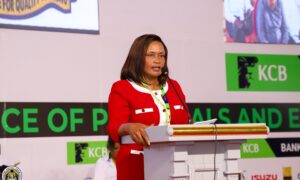
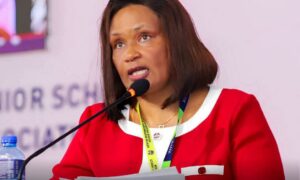
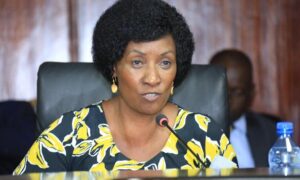
In response to these revelations, Dr. Nancy Macharia, Chief Executive of the TSC, defended the numbers, citing that they reflect the distribution of the country’s population. She emphasized the commission’s commitment to ethnic balance in appointments and promotions, ensuring fair competition and merit-based selections. Dr. Macharia reiterated the commission’s dedication to constitutional aspirations regarding gender balance and the inclusion of persons with disabilities in the teaching profession.
The disparity in ethnic representation extends beyond the teaching workforce to the TSC secretariat, albeit with minor adjustments. The Kikuyu community leads in employment within the secretariat, comprising 19 percent of the staff, followed closely by the Kalenjin community with 16 percent. Kambas rank third with 12 percent representation, while the Luhya and Kisii communities round up the top five tribes in the secretariat, further mirroring the distribution observed in the teaching sector.
Gender parity is another significant achievement highlighted in the report, with the TSC employing a total of 204,373 female teachers and 202,487 male teachers. Efforts to include persons living with disabilities (PWDs) in recruitment have also been made, resulting in the employment of 5,666 PWD teachers. The age distribution of teachers within the TSC workforce reveals that the majority fall within the 30 to 39 age bracket, comprising 153,539 educators, followed by those aged 40 to 49, with 107,837 teachers.
Despite these efforts towards inclusivity and diversity, challenges persist in achieving equitable representation across all ethnic groups in the teaching profession. The disparities outlined in the report underscore the need for targeted interventions aimed at promoting diversity and ensuring equal opportunities for educators from all backgrounds. By addressing these disparities, Kenya can foster a more inclusive and representative teaching workforce, ultimately enhancing the quality of education for all its citizens.