Nairobi, Kenya – April 30, 2025 — Over 360,000 teachers in Kenya face a medical insurance crisis as the Teachers Service Commission (TSC) prepares to transition them from the current Minet insurance scheme to the Social Health Authority (SHA) platform. The looming shift, set to begin next year, follows the expiry of Minet’s contract this November, igniting anxiety among teachers across the country.
SHA Transition Sparks Alarm
With the Minet contract nearing its end, teachers are staring at a possible transition into SHA—a government-run universal health coverage model encompassing three key funds: the Primary Healthcare Fund (PHC), Social Health Insurance Fund (SHIF), and the Emergency, Chronic & Critical Illness Fund (ECCIF). While SHA is designed to serve all registered and contributing Kenyans, including public servants, its capacity to accommodate hundreds of thousands of teachers is now under intense scrutiny.
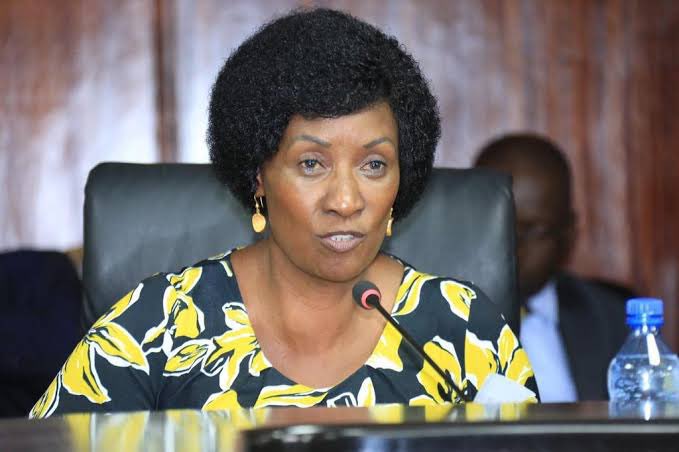
According to TSC CEO Dr. Nancy Macharia, SHA has already declined to onboard the teachers, citing infrastructure limitations and a required KSh37 billion to fully accommodate the transition. “Currently, TSC operates the Minet-run scheme at a cost of KSh20 billion annually. SHA’s demands are nearly double that amount, raising serious feasibility concerns,” Macharia revealed.
Parliament Weighs In: MPs Call for Minet Exit
Adding to the unfolding drama, Members of Parliament have proposed scrapping the Minet medical scheme altogether. Their reasons? Inflated costs, service inefficiencies, and a lack of transparency in claims processing.
“Teachers deserve more. The Minet scheme has become unsustainable and unaccountable. We must look for a better alternative,” said one MP during a heated parliamentary session earlier this month.
Despite the push to terminate Minet’s grip on the sector, the proposed replacement—SHA—is far from ready. Sources within the Social Health Authority confirmed that while over 21.6 million Kenyans have already registered under SHA and an average of 50,000 new members join daily, the system was not designed for a sudden influx of nearly 400,000 new users.
TSC Blames SHA, SHA Keeps Mum
The Teachers Service Commission has laid blame squarely at the feet of SHA, accusing the agency of turning away one of the largest professional groups in the country. “We engaged SHA with the expectation that teachers, like other public officers, would be accommodated. But their refusal has left us in limbo,” Macharia stated.
SHA has yet to release an official response. However, its public documents indicate that enrollment in the Public Officers Medical Scheme Fund is at the discretion of the employer, in this case, the TSC. The fund determines benefits based on its available budget and cannot automatically absorb such a large group without significant adjustments.
What is SHA?
SHA was formed to consolidate Kenya’s fragmented health financing systems into a unified platform. Under the new model:
- PHC (Primary Healthcare Fund) covers outpatient visits and basic care.
- SHIF (Social Health Insurance Fund) manages inpatient costs.
- ECCIF (Emergency, Critical & Chronic Illness Fund) handles complex and chronic medical needs.
Teachers, like all Kenyans, are eligible for SHA benefits upon registration and contribution. However, SHA’s mandate does not include managing existing employer-provided medical schemes unless formally onboarded.
Will Teachers Lose Out?
If the Minet contract ends in November and SHA fails to onboard teachers in time, more than 360,000 educators and their dependents could be left without comprehensive medical coverage. For teachers dealing with chronic conditions, maternity care, or school-related injuries, this gap could have severe implications.
A senior teacher in Nairobi told K47 Digital News, “We’re confused and scared. Minet had its flaws, but at least it was something. Now we’re hearing SHA isn’t ready for us. What happens if my child needs surgery in December?”
What’s Next?
With November just months away, pressure is mounting on the TSC, SHA, and Parliament to reach a workable solution. One possible path could involve extending Minet’s contract temporarily while SHA scales up infrastructure. Alternatively, a phased approach may be adopted where a fraction of teachers transition to SHA over time, allowing for smoother implementation.
Stakeholders React
The Kenya National Union of Teachers (KNUT) has voiced concerns over the uncertainty. “We were not consulted about the transition. Health care is a right. Teachers cannot be thrown into the unknown,” KNUT Secretary-General Dr. Collins Oyuu said.
The Kenya Union of Post Primary Education Teachers (KUPPET) echoed similar sentiments. “This is not just about teachers, but their families too. The government must act now,” said KUPPET Chairman Omboko Milemba.
Budget Battle: KSh20B vs. KSh37B
The budgetary differences between Minet and SHA are at the heart of the stalemate. SHA has quoted KSh37 billion to onboard teachers—KSh17 billion more than the current TSC budget for Minet. For Treasury, this may not be a justifiable increase without legislative approval.
Analysts believe that unless Parliament allocates additional funds in the upcoming budget, onboarding teachers to SHA may remain a distant goal.
What Should Teachers Do Now?
Experts advise teachers to:
- Monitor official communications from TSC and their unions.
- Keep all current Minet documentation up to date.
- Register with SHA to ensure basic health cover eligibility.
- Consider supplemental private insurance if feasible.
Conclusion
The looming insurance gap for teachers highlights the broader challenges of health sector reform in Kenya. While SHA represents a bold step toward universal health coverage, its ability to scale quickly and equitably is now under a national spotlight.
As November approaches, all eyes remain on the TSC, SHA, and Parliament. For Kenya’s teachers, this is more than a policy shift—it’s about protecting their health and that of their families.