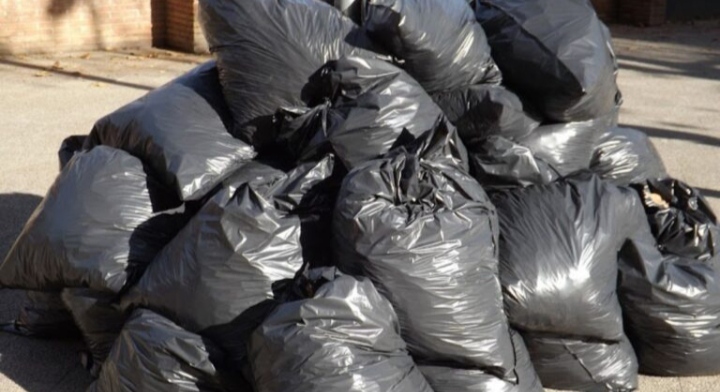
In a move aimed at bolstering environmental sustainability and waste management efforts, Kenya’s National Environment Management Authority (Nema) has taken decisive action by announcing a ban on the use of plastic bags for collecting and disposing of garbage. The directive, issued via a notice dated April 8, 2024, emphasizes the imperative for a shift towards eco-friendly alternatives and underscores the urgency of the situation.
With a 90-day grace period from the date of the notice, Kenyans are urged to cease the utilization of conventional plastic bags and bin liners for the collection of organic waste. This proactive measure aligns with Nema’s commitment to fostering environmentally sound practices, particularly in managing the organic waste fraction, which has long been a concern due to its impact on ecosystems and public health.
Moreover, Nema has mandated the use of biodegradable garbage bags for all garbage disposal activities. This directive extends not only to individual households but also to county governments and licensed private waste service providers, emphasizing the collective responsibility in addressing the nation’s waste management challenges. These biodegradable bags are designed to decompose naturally, mitigating the harmful effects associated with traditional plastic bags that persist in the environment for extended periods.
In a bid to facilitate compliance and ensure widespread adoption of sustainable practices, Nema has urged county governments and private waste service providers to furnish their clients with 100% biodegradable bags. This concerted effort seeks to streamline the transition towards environmentally friendly alternatives while minimizing disruptions to existing waste collection and disposal systems.
Crucially, Nema’s directive is firmly rooted in legislative frameworks, specifically Section 12 of the Sustainable Waste Management Act, 2022. By invoking established legal provisions, the authority reinforces the enforceability and legitimacy of the ban, signaling a clear commitment to upholding environmental regulations and fostering a culture of compliance.
This latest move by Nema comes approximately seven years after the Kenyan government initially imposed a ban on the manufacture, importation, and use of plastic carrier bags in the country. While that earlier measure targeted plastic bags in commercial and household contexts, the current directive extends its scope to encompass the critical domain of waste management, marking a significant step towards holistic environmental stewardship.
In light of the escalating global concerns surrounding plastic pollution and its far-reaching ramifications, Kenya’s proactive stance underscores the nation’s resolve to address pressing environmental challenges head-on. By prioritizing the transition to biodegradable alternatives and promoting sustainable waste management practices, Nema sets a compelling example for other nations grappling with similar issues.
Beyond its immediate environmental implications, the ban on plastic bags for garbage collection holds profound implications for public health, resource conservation, and long-term sustainability. By reducing reliance on non-biodegradable materials and embracing eco-friendly solutions, Kenya takes strides towards building a greener, healthier future for its citizens and the planet at large.