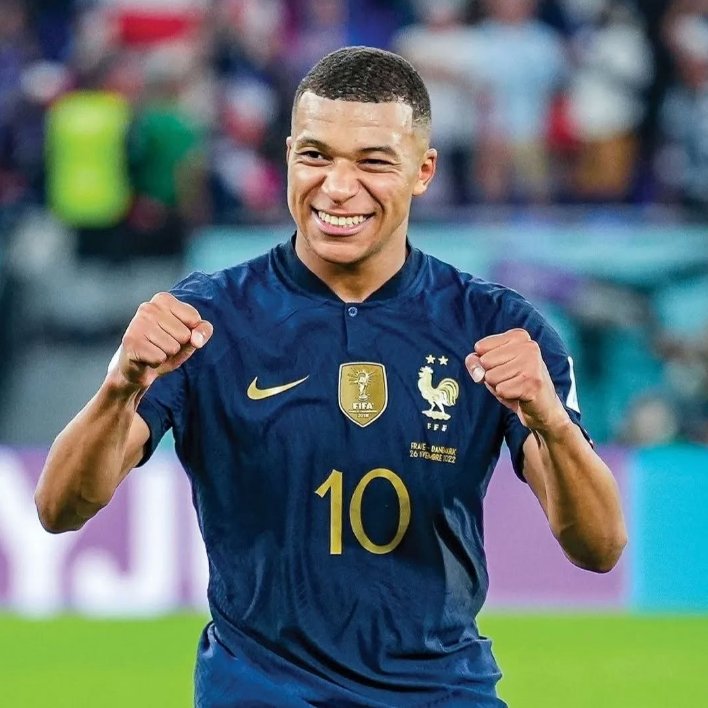
Paris, France — In a dramatic legal blow to Paris Saint-Germain, a French labour court has ordered the club to pay former star forward Kylian Mbappé approximately €60 million (£52.6 million) in unpaid salary and bonuses, bringing one of football’s most high-profile contract disputes into sharp focus.
According to Reuters, the ruling was delivered by a Paris labour tribunal, which found that PSG failed to honour key financial obligations owed to the player during the final months of his contract before his departure in 2024.
Court Sides With Mbappé in Salary Dispute
The court determined that PSG unlawfully withheld:
- Three months’ salary covering April, May, and June 2024
- An ethics bonus written into Mbappé’s contract
- A deferred signing bonus
These sums, which collectively amount to around €60 million, were ruled to be contractually guaranteed and not conditional on Mbappé renewing his deal or agreeing to internal club arrangements.
Reuters reports that football authorities in France, including the Professional Football League (LFP), had already acknowledged the payments were owed, strengthening Mbappé’s case long before the court ruling.
Background: A Long and Bitter Legal Battle
The legal dispute stems from Mbappé’s final season at PSG, when relations between player and club deteriorated after he declined to extend his contract. PSG reportedly withheld payments, arguing that informal agreements had been reached when Mbappé was reintegrated into the first team after being sidelined early in the season.
However, the court rejected that argument, ruling that PSG failed to provide written proof that Mbappé had waived his right to receive his salary and bonuses.
Mbappé’s legal team had initially filed claims exceeding €260 million, which included compensation for moral harassment and alleged damage to his professional image. While the court dismissed several of those broader claims, it ruled decisively in his favour on the core issue of unpaid remuneration.
PSG’s Counterclaims Fall Flat
PSG had also launched a counter-claim against Mbappé, reportedly seeking hundreds of millions of euros in damages, accusing the player of disloyalty and contractual misconduct linked to his exit.
The judges dismissed those arguments, stating that a football club cannot unilaterally withhold wages that are clearly stipulated in an employment contract, regardless of tensions over transfers or renewals.
Legal experts quoted by French media described the ruling as a strong reaffirmation of labour law principles, even within the highly commercialised world of elite football.
Lawyer Reaction and PSG Response
Mbappé’s lawyer welcomed the verdict, saying the ruling sends a clear message that “no employer is above the law,” regardless of wealth or influence.
PSG, in a brief response cited by Reuters, acknowledged the court’s decision and confirmed it would comply with the ruling, while also indicating that it is considering its legal options, including a possible appeal.
The club did not deny the existence of the unpaid sums but reiterated that it believes certain contextual agreements had been misunderstood by the court.
Impact on Football Contracts
The ruling is being widely viewed as a landmark moment for player rights in European football. Analysts say it underscores that even superstar players remain protected by standard labour laws, and that clubs cannot rely on informal understandings to override written contracts.
Experts warn that the case could influence how top clubs structure future contracts, particularly clauses related to bonuses, ethics payments, and end-of-contract scenarios involving free transfers.
Mbappé’s Move On, PSG Left Counting the Cost
Mbappé left PSG in 2024 after seven seasons, during which he became the club’s all-time top scorer. He joined Real Madrid on a free transfer and has since focused on his football career, avoiding public comment on the legal dispute.
For Paris Saint-Germain, the ruling represents not just a significant financial hit, but also reputational damage at a time when European clubs are under increased scrutiny over governance and player treatment.
What Happens Next?
While PSG may still pursue an appeal, legal observers say overturning the ruling will be difficult given the lack of written evidence supporting the club’s claims. Unless a higher court intervenes, PSG will be required to pay the full amount ordered by the tribunal.
As reported by Reuters, the decision effectively closes one of the most contentious player-club disputes in modern football, reinforcing the principle that contracts must be honoured — no matter how powerful the employer or famous the employee.
Source: Reuters