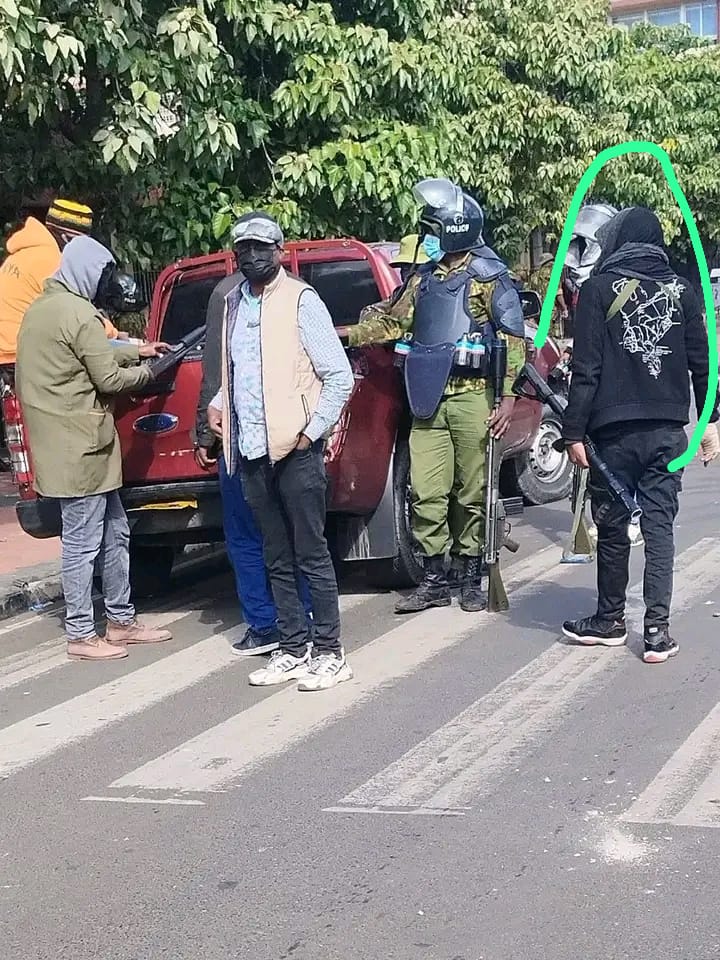
Nairobi is under tight security as police brace for a major protest led by Gen Z activists, demanding justice for last year’s killings and economic reforms. Authorities warn of “dire consequences” for unrest.
Police Lock Down Nairobi Ahead of Gen Z Protests
Nairobi’s Central Business District (CBD) is heavily fortified as Kenyan police deploy roadblocks and riot units ahead of a planned protest by youth activists. The demonstration, organized under the hashtag #GenZProtest, aims to honor those killed during last year’s anti-government protests while pushing for accountability over police brutality and economic reforms.
Security forces have sealed off major entry points into the city, including Thika Road, Ngong Road, and Mombasa Road, forcing commuters to walk long distances. A senior police officer, speaking anonymously, vowed to prevent chaos:
“Anarchists, commercial activists, and goons will have no chance today to destroy property or threaten the lives of patriotic Kenyans. Our officers have one role—to protect Kenya.”
Why Are Gen Zs Protesting?
The protests stem from deep-seated frustrations over unemployment, high living costs, and alleged state-sponsored abductions and killings of government critics. The movement gained momentum after the death of Albert Ojwang, a youth activist who died in police custody under unclear circumstances.
Many young Kenyans accuse the government of ignoring their plight, with some calling for an occupation of State House—a move that authorities have warned will be met with force.
Roadblocks, Tear Gas, and Rising Tensions
Early Tuesday morning, police installed roadblocks near Kenyatta National Hospital and Guru Nanak on Thika Road, screening vehicles and pedestrians. Social media footage shows large groups of protesters marching from Kitengela, Limuru Road, and Mombasa Road, chanting slogans against police brutality.
Last year’s protests against the Finance Bill turned deadly when police opened fire on demonstrators, killing at least 15 people, according to human rights groups. The government denies excessive force but has yet to prosecute any officers.
Government’s Stern Warning
In a press briefing, Inspector General of Police Japhet Koome declared:
“We will not allow lawlessness. Anyone attempting to destabilize peace will face the full force of the law.”
However, activists argue that the heavy-handed response only fuels anger.
“The more they intimidate us, the more we resist,” said one protester, who asked not to be named. “We have nothing left to lose.”
Will History Repeat Itself?
The 2024 protests marked a turning point in Kenya’s youth activism, with Gen Zs using social media to mobilize thousands. Today’s demonstrations could escalate if police use live ammunition—a scenario rights groups fear.
Amnesty International has called for restraint, urging authorities to “respect the right to peaceful assembly.” Meanwhile, businesses in Nairobi’s CBD remain closed, anticipating violence.
What’s Next?
As crowds swell, the question remains: Will the government engage in dialogue, or will force prevail? For now, Nairobi holds its breath.
Key Takeaways:
- Heavy police presence in Nairobi ahead of Gen Z protests.
- Protesters demand justice for last year’s killings and economic reforms.
- Roadblocks disrupt traffic, forcing commuters to walk.
- Authorities warn of “dire consequences” for unrest.
- Activists vow to march despite intimidation.
Will Kenya’s youth succeed in forcing change, or will another crackdown silence their voices? Follow live updates as tensions rise.