Museveni Says Opposition “Lucky” Millions Skipped Voting
Ugandan President Yoweri Museveni has sparked fresh political debate after claiming that the opposition was “lucky” that an estimated 10 million of his supporters did not turn up to vote in the recently concluded presidential election. The remarks, made shortly after he was declared the winner of the January 15 poll, have reignited discussions around voter turnout, political legitimacy, and the state of democracy in Uganda.
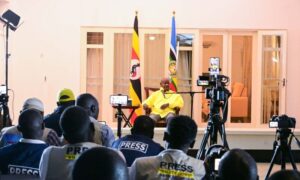
Speaking during a post-election address, Museveni argued that the election results did not fully reflect the strength of his ruling National Resistance Movement (NRM). According to the president, while millions of Ugandans voted for him, an even larger number of his supporters stayed away from polling stations, a situation he said benefited the opposition.
“The opposition are lucky that about 10 million of my voters did not turn up,” Museveni said. “If all our people had voted, they would have been badly embarrassed.”
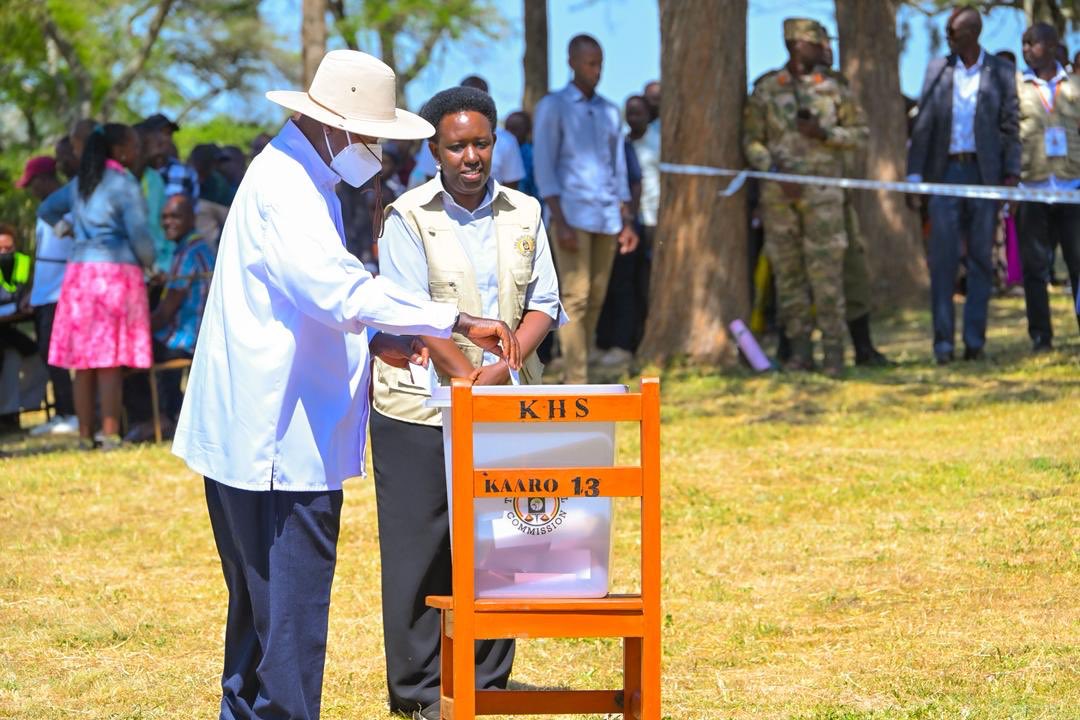
Museveni’s statement comes against the backdrop of relatively low voter turnout, estimated at just over half of the country’s registered voters. Out of more than 21 million registered voters, millions did not participate in the election, making turnout one of the lowest in Uganda’s multiparty history.
Election Outcome and Turnout Debate
The Electoral Commission declared Museveni the winner with a commanding majority, giving him another term in office and extending his rule beyond four decades. Official results showed Museveni securing over 70 percent of the votes cast, while his main challenger, opposition leader Bobi Wine, finished a distant second.
However, the low turnout has become a central issue in post-election discussions. For Museveni and the NRM, the absence of millions of supporters at polling stations is framed as a logistical and mobilization challenge rather than a loss of popularity. The president suggested that some supporters may have assumed victory was guaranteed and therefore did not feel compelled to vote.
He also claimed that a significant number of spoilt ballots came from NRM supporters who incorrectly marked their papers, further reducing the visible size of his support at the polls.
Opposition Pushback
Opposition leaders have strongly rejected Museveni’s interpretation of events. Bobi Wine and his National Unity Platform (NUP) argue that the low turnout was not accidental but the result of systemic voter suppression, intimidation, and a lack of confidence in the electoral process.
According to the opposition, many Ugandans — particularly young people and urban voters — were discouraged from voting due to heavy security deployment, reports of polling stations opening late, missing voting materials, and the arrest or harassment of opposition agents. The opposition has also pointed to the internet shutdown imposed during the election period as a factor that reduced transparency and undermined public confidence.
Critics argue that Museveni’s claim about “10 million missing voters” contradicts the reality on the ground. They say that if such a large and enthusiastic base existed, it should have translated into higher turnout rather than absence, and that blaming non-participation shifts attention away from deeper issues affecting voter trust.
A Sign of Political Fatigue?
Political analysts suggest that Museveni’s remarks may unintentionally highlight a growing challenge for the ruling party: voter fatigue. After nearly 40 years under the same leadership, a significant portion of the population may feel disengaged from electoral politics, regardless of party affiliation.
Uganda has one of the youngest populations in the world, and many young voters have expressed frustration with unemployment, the cost of living, and limited political change. Analysts note that when citizens believe election outcomes are predictable, motivation to vote often declines.
Some observers argue that the president’s statement reflects confidence but also reveals concern about declining enthusiasm among core supporters. While Museveni remains electorally dominant, maintaining high participation levels may become increasingly difficult in future elections.
Government Response and Stability Narrative
From the government’s perspective, the election outcome represents continuity and stability. Museveni has emphasized achievements such as infrastructure development, security, and economic programs, arguing that these policies continue to earn him broad national support.
The president has dismissed allegations of widespread fraud, maintaining that the election was peaceful and orderly. Security agencies have also defended their actions during the election period, saying deployments were necessary to prevent violence and maintain law and order.
Museveni’s allies within the NRM have echoed his remarks, insisting that the party’s support base remains strong and that the low turnout was influenced by logistical issues rather than political dissatisfaction.
Broader Implications
Museveni’s “10 million voters” comment has become symbolic of a wider debate about legitimacy versus legality. While the election followed constitutional procedures and produced a clear winner, critics argue that democracy is measured not only by results but also by participation, trust, and fairness.
Civil society groups have called for electoral reforms aimed at boosting voter confidence, improving transparency, and ensuring equal treatment of all political actors. They argue that addressing these issues is essential to prevent further decline in voter turnout and political engagement.
Looking Ahead
As Uganda moves beyond the election, attention is shifting toward governance, reconciliation, and reform. Museveni’s comments may rally his supporters, but they also serve as a reminder that millions of Ugandans chose not to vote — for reasons that remain contested.
Whether the low turnout reflects opposition suppression, ruling party complacency, or widespread political apathy, it underscores a critical challenge for Uganda’s democracy. As debates continue, one thing is clear: voter participation, trust in institutions, and political inclusion will remain central issues shaping Uganda’s future political landscape.