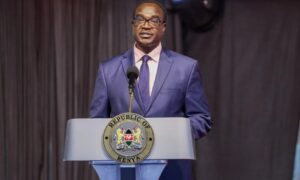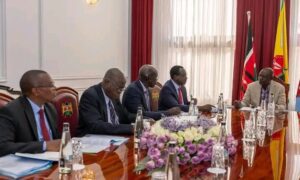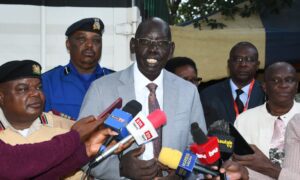
A fresh storm has erupted in Kenya’s education sector after the Cabinet Secretary for Education, Julius Ogamba, revealed in Parliament that no funds were allocated in the supplementary budget to pay KNEC contracted professionals, contradicting earlier assurances he had made publicly.
Speaking before lawmakers, the CS admitted that the government is still negotiating with the National Treasury to secure funds for thousands of teachers and officials who supervised and marked the 2025 national examinations. He was subsequently given 14 days by Parliament to provide a comprehensive explanation on the matter.
This revelation has sparked outrage, especially because it sharply contradicts Ogamba’s earlier statements during a media appearance where he had suggested that funds were available and payments were imminent.
Mounting Pressure Over Delayed Payments
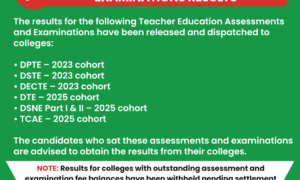
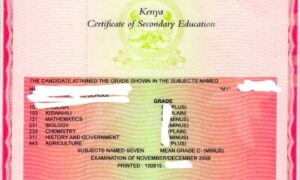
The crisis revolves around the Kenya National Examinations Council, which relies on thousands of contracted professionals—including teachers, invigilators, and examiners—to administer national exams such as KCSE and KPSEA.
For months, these professionals have complained about delayed payments, with the government previously attributing the issue to budgetary and cash flow constraints.
Earlier reports had indicated that the government was working to release funds, with promises that payments would be processed quickly once Treasury disbursements were made. However, the latest admission now raises doubts about whether such funds were ever secured.
Supplementary Budget Cuts Hit Education
The controversy is further compounded by details emerging from the 2026 supplementary budget. While the government increased overall spending, allocations to the education sector were significantly reduced from earlier proposals, affecting key programs—including KNEC payments.
Education stakeholders had initially pushed for a larger allocation to cater for exam-related costs, school capitation, and other urgent needs. However, the final approved budget fell short, leaving critical obligations unfunded.
Insolvency Fears and Union Threats
The situation has triggered fears that KNEC could be facing a financial crisis. Reports suggest the council has struggled with liquidity, with concerns raised about its ability to meet obligations without government intervention.
Teacher unions have also entered the fray, warning that continued delays could disrupt future national exams. Some union leaders have even threatened to boycott the 2026 examinations if payments are not made promptly.
Across the country, teachers who participated in exam invigilation and marking say the delays are affecting their livelihoods, especially given the rising cost of living.
Contradictions Raise Accountability Questions
The biggest concern now is the apparent inconsistency in government communication. Just weeks ago, the Education CS had assured the public that funds had been secured and payments would be made within days.
Now, his admission in Parliament suggests that no such allocation existed in the supplementary budget, raising questions about transparency and accountability within the Ministry of Education.
What Happens Next?
With Parliament demanding answers within 14 days, all eyes are now on the Ministry of Education and the National Treasury. The outcome of these negotiations will be critical—not just for settling pending dues, but also for restoring confidence among teachers and safeguarding the integrity of Kenya’s examination system.
Until then, thousands of KNEC contracted professionals remain in limbo, waiting for payments that now appear uncertain.