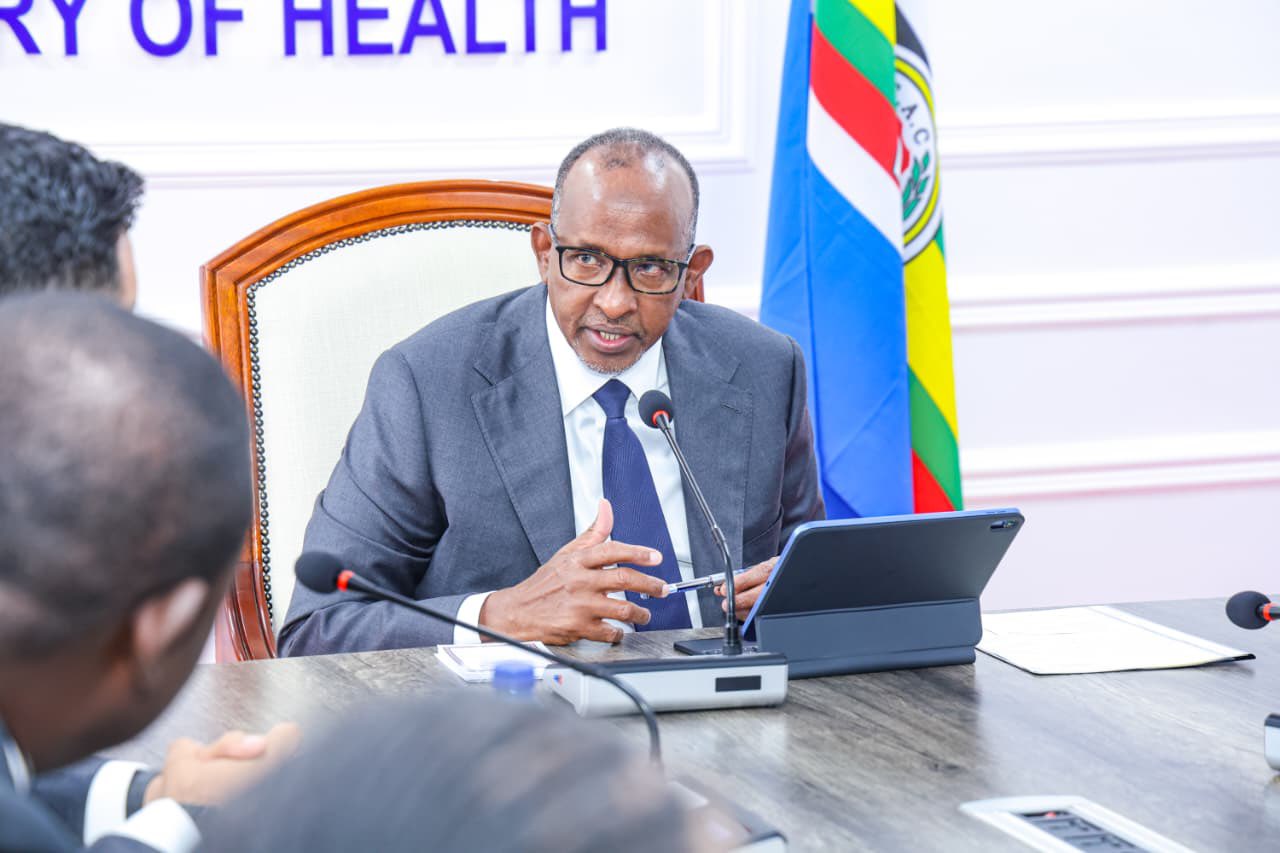
In a sweeping move to cleanse the public payroll and solidify the foundation of Kenya’s healthcare system, the Ministry of Health has announced a major crackdown, exposing 215 “ghost workers” and unqualified personnel within the Universal Health Coverage (UHC) program. This revelation is part of a monumental step towards the formal absorption of thousands of legitimate health workers, signaling a new era of accountability and reform.
Government Exposes Phantom Employees, Halts Salaries
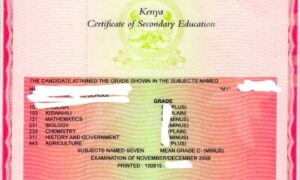
A recently concluded joint headcount exercise, a collaborative effort between the State Department for Medical Services and the Council of Governors (CoG), has concluded its verification process with startling results. Out of 7,629 staff members scrutinized, 215 individuals failed to present themselves for verification. These individuals were conclusively identified as either completely non-existent—“ghost workers”—or as individuals lacking the requisite qualifications to be health professionals.
The immediate consequence has been decisive. The Ministry has confirmed that the salaries for these 215 cases have been stopped immediately. They have been removed from the government payroll, safeguarding public funds from further misuse. Furthermore, this is not the end of the road for these cases. The press release clearly states that pending further investigations, the government intends to prosecute those responsible, determine the full extent of the fraud, and, crucially, recover all irregular payments made. This aggressive stance marks a significant shift towards fiscal responsibility and zero tolerance for corruption within the public health sector.
Categorization and Absorption of Verified Staff
For the vast majority of staff—7,414 verified health professionals—the news is positive and marks the culmination of a long period of uncertainty. The government has outlined a clear, two-pronged path for their formal integration into the system.
The first group comprises staff who are currently in active service and have a clean record. These dedicated professionals will be formally transitioned and absorbed into their roles, with the process taking effect from September 2025. This absorption is a critical fulfillment of the government’s promise to strengthen human resources for health, providing job security and formal recognition to those on the front lines of delivering UHC.
However, a second category includes staff with pending disciplinary issues or who were absent from duty during the verification period. The government has drawn a firm line: these individuals will not be absorbed. Their cases will be handed over for review in consultation with the Public Service Commission (PSC). The resolution will be guided by the stringent PSC Regulations 2020 on Human Resource, which provide a framework for separation, removal from payroll, and other disciplinary measures. This ensures the process is not only firm but also fair and legally sound.
A Cornerstone for Kenya’s Health Future
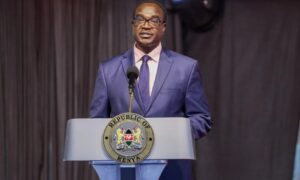
The Cabinet Secretary for Health, Hon. Aden Duale, EGH, framed these actions within the government’s broader, unwavering commitment to achieving Universal Health Coverage for all Kenyans. He emphasized that strengthening human resources is the absolute cornerstone of this ambition. You cannot build a resilient, quality health service without a verified, qualified, and motivated workforce.
This meticulous verification and absorption process is about more than just rooting out corruption; it’s about building trust. It demonstrates to Kenyan citizens that their tax shillings are being managed with efficiency and transparency. It shows international partners and donors that Kenya is serious about reforming its health sector and managing resources responsibly. Most importantly, it assures legitimate health workers that their service is valued and that the government is committed to creating a stable and ethical working environment.
The collaboration highlighted in the press release—between the Ministry of Health, the Council of Governors, and the Public Service Commission—is itself a testament to a new, more unified approach to healthcare governance. By working together, these entities are ensuring that the absorption process is not only successful but also perceived as fair and accountable, safeguarding the rights of every eligible officer.
The Road Ahead to Universal Health Coverage
The removal of ghost workers and the formal absorption of 7,414 health professionals represent a massive leap forward. It directly contributes to the efficient management of public resources, freeing up funds that can be reinvested into medical supplies, infrastructure, and further workforce expansion. This creates a virtuous cycle: a better-supported workforce delivers higher-quality care, which in turn increases public confidence and uptake of UHC services.
The government’s pledge to prosecute and recover funds sends a powerful deterrent message to anyone considering similar fraudulent activities in the future. It establishes a precedent of accountability that will be essential for the long-term sustainability of not just UHC, but all public services.
As Kenya moves forward, the eyes of the nation will be on the September 2025 integration date. The successful absorption of these workers will be a tangible milestone, proving that the government’s words are matched by action. This move strengthens the very backbone of the healthcare system, bringing the dream of quality, accessible health for all Kenyans closer to reality than ever before.